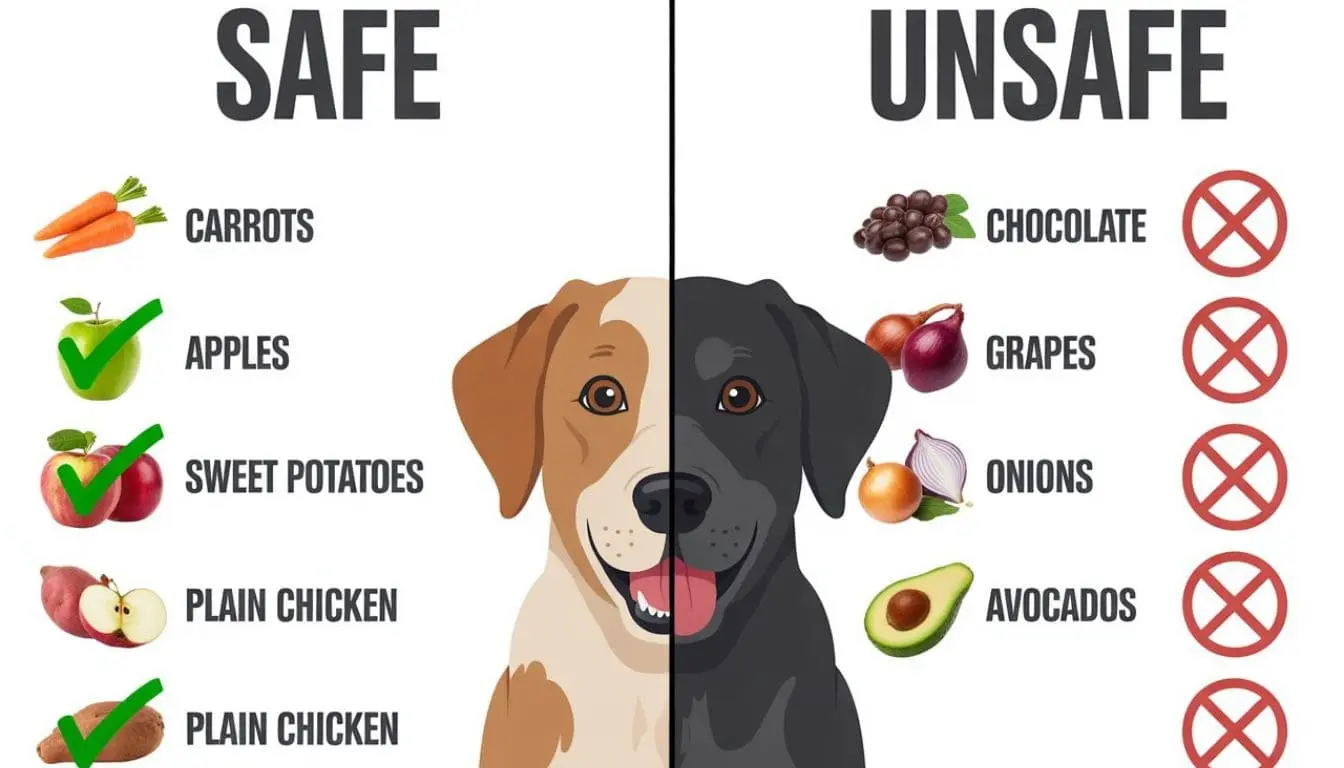
Can Dogs Eat Dragon Fruit? Everything You Need to Know Before Sharing
Can dogs eat dragon fruit? If you have ever sliced open this vibrantly colored tropical fruit and caught your dog watching you with hopeful eyes, you already know this feeling. The short answer is yes — dragon fruit is one of the safer exotic fruits you can share with a dog. But how you prepare it and how much you give makes all the difference.
This guide covers everything — what dragon fruit contains, what it does for dogs, what to watch out for, and exactly how to serve it safely.
- Yes, dogs can eat dragon fruit safely in small amounts.
- The flesh and seeds are non-toxic, but the outer skin should always be removed.
- When served properly, dragon fruit can be a healthy occasional treat for dogs.
Quick Answer — Is Dragon Fruit Safe for Dogs?
| Question | Answer |
|---|---|
| Is dragon fruit safe for dogs? | Yes — flesh only, plain |
| Can dogs eat the skin? | No — tough and indigestible |
| Are the seeds safe? | Yes — tiny and soft, not harmful |
| Is dragon fruit safe for puppies? | Small amounts only, 3–4 months and older |
| Safe for diabetic dogs? | Consult your vet first |
What Is Dragon Fruit?
Dragon fruit — also called pitaya — grows on a cactus species native to Central America but now cultivated widely across Southeast Asia. It comes in three main varieties: red skin with white flesh, red skin with red flesh, and yellow skin with white flesh — the sweetest of the three.
The flesh is mild, slightly sweet, and dotted with tiny black seeds. It has become a popular health food for humans, and the question dog owners naturally ask is whether those benefits carry over to their pets.
They do — to a meaningful degree. But there are still important rules around preparation and portions that every owner should understand before sharing.
Nutritional Profile of Dragon Fruit (Per 100g)
| Nutrient | Amount |
|---|---|
| Calories | 60 kcal |
| Carbohydrates | 13g |
| Natural Sugar | 8g |
| Dietary Fiber | 3g |
| Protein | 1.2g |
| Fat | 0.4g |
| Vitamin C | 9mg |
| Calcium | 18mg |
| Iron | 0.7mg |
| Magnesium | 40mg |
Compared to durian — which carries 19g of sugar and 5.3g of fat per 100g — dragon fruit is significantly lighter and more manageable for dogs. At 60 kcal and 8g of sugar, it sits comfortably in the moderate range. Not as low as jicama, but far more forgiving than most tropical fruits.
Is Dragon Fruit Safe for Dogs?

Yes — dragon fruit is not toxic to dogs. The flesh, the tiny seeds, and even the flower of the plant are all considered safe. The one part to avoid is the outer skin — not toxic, but tough and fibrous enough to cause genuine digestive trouble.
I have come across dog owners who assume that anything brightly colored must be dangerous. Dragon fruit is actually one of those pleasant exceptions where the appearance does not signal risk — the flesh is clean, lightly sweet, and genuinely nutritious when served correctly.
When owners ask me about can dogs eat exotic fruits as a general question, dragon fruit is consistently one of the first I recommend exploring — it delivers real nutritional value with relatively low risk compared to most tropical options.
Health Benefits of Dragon Fruit for Dogs
Antioxidants Support Immune Health in Dogs
Dragon fruit is rich in betalains and hydroxycinnamates — antioxidant compounds that reduce oxidative stress in the body. For dogs, this translates to stronger immune function, reduced chronic inflammation, and slower cellular aging.
Senior dogs benefit most. A dog spending its later years dealing with joint stiffness and reduced immunity responds well to a diet consistently rich in natural antioxidants — dragon fruit contributes to that picture as part of a broader whole-food approach.
Fiber Supports Healthy Dog Digestion
At 3g of dietary fiber per 100g, dragon fruit provides real digestive support. Fiber regulates bowel movements, nourishes beneficial gut bacteria, and helps dogs with mild constipation or irregularity find more consistent rhythm.
Dogs that struggle with digestive sensitivity often do better when their overall diet is built around ingredients their gut can actually process without strain. A dog eating well-balanced, gut-friendly meals day to day tends to handle occasional treats like dragon fruit far better than one whose baseline diet is already creating digestive stress — which is why what goes into the daily bowl matters as much as what goes in as a treat.
One of the most effective approaches for dogs with chronic digestive sensitivity is homemade food built around gentle, easily digestible ingredients — something worth exploring if your dog’s gut reacts strongly to new foods.
Magnesium Supports Nerve and Muscle Function in Dogs
At 40mg per 100g, dragon fruit is a solid source of magnesium — a mineral that supports nerve transmission, muscle relaxation, and cellular energy production. For active breeds that train hard or work physically, magnesium-rich foods contribute meaningfully to recovery.
Calcium Supports Bone Strength
18mg of calcium per 100g is a modest contribution to bone health. It will not replace a dedicated calcium source in a balanced diet, but as part of a varied treat rotation it adds up over time — particularly relevant for growing puppies and senior dogs managing bone density loss.
Low in Fat — Suitable for Weight-Conscious Dogs
At just 0.4g of fat per 100g, dragon fruit is one of the cleanest tropical fruit options available. This makes it appropriate for dogs on weight management plans and for breeds genetically susceptible to pancreatitis — a meaningful contrast to fat-heavy fruits like durian where the fat content alone creates real caution.
Risks of Feeding Dragon Fruit to Dogs
Sugar Content Requires Portion Control
At 8g of natural sugar per 100g, dragon fruit is not a zero-sugar food. For most healthy adult dogs this is manageable in appropriate portions — but for dogs with blood sugar sensitivity, even moderate sugar requires careful consideration.
A dog whose diet already includes multiple sweet treats throughout the day accumulates sugar intake in ways owners often do not track. Dragon fruit should fit into that picture as an occasional addition, not a daily staple.
Dogs managing diabetes need particular caution here. The relationship between dietary sugar and insulin management in dogs is more complex than most owners realize — getting that balance right requires understanding not just what to avoid but how the whole diet works together to support stable blood sugar levels day to day.
For dogs in that situation, understanding how to build a diet that genuinely supports blood sugar stability is one of the most impactful things an owner can do alongside veterinary treatment.
The Skin Is Tough and Indigestible
Dragon fruit skin is not toxic — but it is leathery, fibrous, and genuinely difficult for dogs to break down. Swallowing pieces of skin can lead to:
- Vomiting and digestive upset
- Loose stools
- Potential blockage in smaller dogs
Always remove the skin completely. The flesh inside is what your dog needs — nothing else.
Overconsumption Causes Digestive Upset
Even genuinely safe foods cause problems in excess. Too much dragon fruit at once delivers a concentrated dose of sugar and fiber that can overwhelm a dog’s digestive system — resulting in loose stools, gas, and stomach discomfort.
Start with a small amount the first time and watch your dog’s response over 24 hours. A dog that tolerates it well can have it regularly in small amounts. A dog that shows loose stools or vomiting after the first piece needs more time before trying again.
Red Dragon Fruit May Color Stools
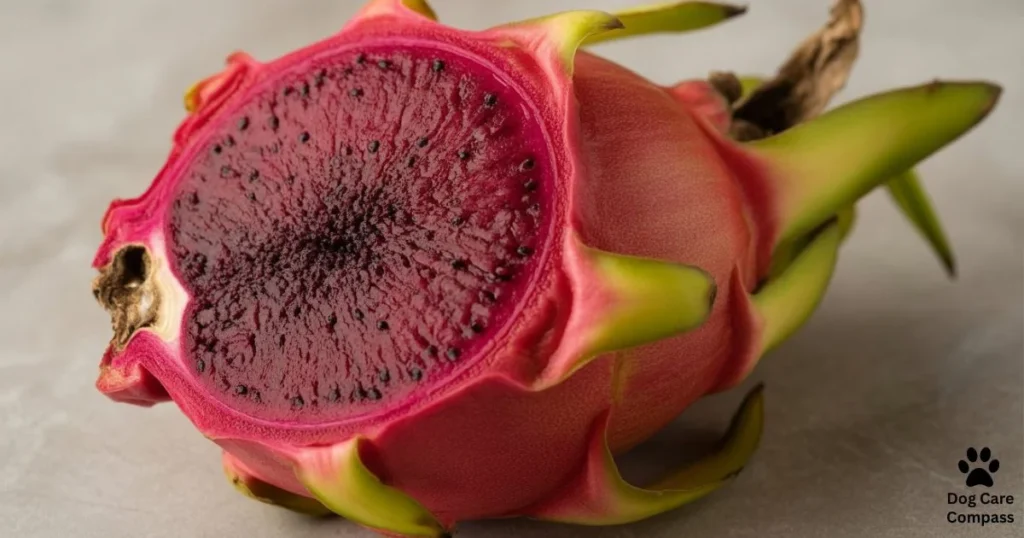
The red-fleshed variety contains intense natural pigments that pass through the digestive system relatively intact. Do not panic if you notice pinkish or reddish stools after feeding red dragon fruit — this is completely harmless and resolves within a day or two.
How to Safely Prepare Dragon Fruit for Dogs
- Choose fresh, ripe dragon fruit — firm exterior, vibrant color
- Wash the outside under cold running water
- Slice the fruit in half lengthwise
- Scoop out the flesh using a spoon — leave the skin entirely
- Cut the flesh into small cubes sized for your dog
- Serve plain and fresh — no added sugar, no syrup, nothing mixed in
- Refrigerate unused portions and use within 24 hours
According to the American Kennel Club’s nutrition guidance, plain dragon fruit flesh is safe for dogs when the skin is removed and portions are appropriate for the dog’s size. The ASPCA does not list dragon fruit among toxic plants for dogs, further supporting its safety when served correctly. For additional veterinary perspective on fruit safety in dogs, PetMD’s canine nutrition guidelines offer a reliable reference point.
How Much Dragon Fruit Can Dogs Eat? — Feeding Chart
| Dog Size | Weight | Safe Amount Per Serving |
|---|---|---|
| Small | Under 10 lbs | 1–2 small cubes |
| Medium | 10–50 lbs | 3–5 small cubes |
| Large | 50+ lbs | A small handful |
Feed dragon fruit as an occasional treat — two to three times per week at most. It should complement a balanced diet, not replace any part of it.
Dragon Fruit vs. Other Safe Fruits for Dogs
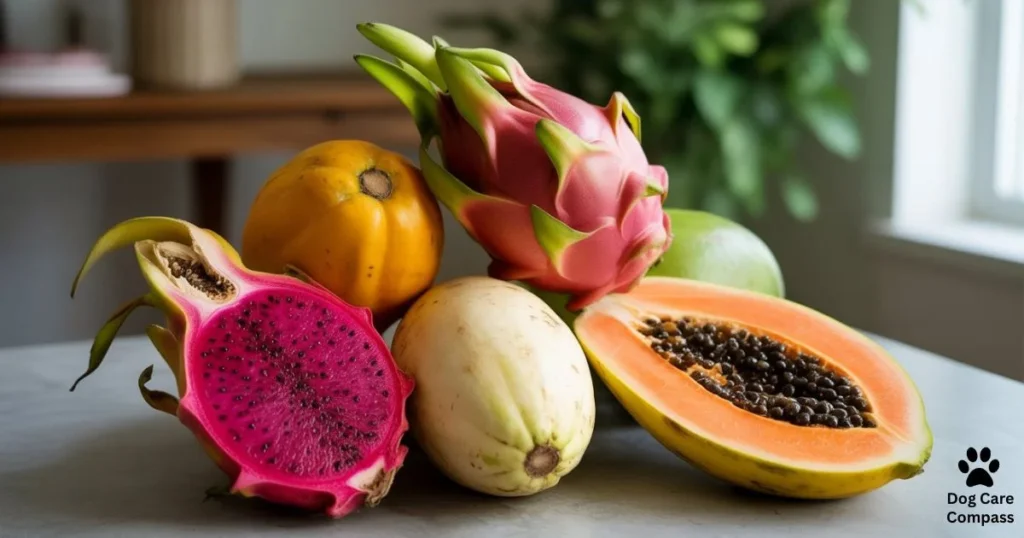
When putting together a best fruits for dogs list, dragon fruit consistently earns a place near the top of the tropical category — alongside papaya and away from higher-risk options like durian and tamarind.
| Fruit | Safe? | Sugar per 100g | Fat per 100g | Recommendation |
|---|---|---|---|---|
| Dragon fruit | Yes | 8g | 0.4g | Good regular option |
| Papaya | Yes | 7.8g | 0.1g | Good regular option |
| Jicama | Yes | 1.8g | 0.1g | Excellent option |
| Raspberries | Yes | 4.4g | 0.7g | Good option |
| Lotus root | Yes | Low | 0.1g | Cook before serving |
| Durian | Caution | 19.1g | 5.3g | Very small amounts only |
| Tamarind | No | 38.8g | 0.6g | Not recommended |
Papaya in particular shares several characteristics with dragon fruit — both are mild, moderately sweet, and well tolerated by most dogs. The digestive enzyme content in papaya actually gives it a slight edge for dogs with chronic gut issues, while dragon fruit’s antioxidant profile makes it the better choice for immune support.
For dogs that have previously reacted poorly to higher-sugar fruits, jicama remains the safest vegetable-based alternative — with barely any sugar and an excellent fiber profile.
Is Dragon Fruit Safe for Puppies?
Is dragon fruit safe for puppies? Yes — but with extra caution. Puppies have developing digestive systems that handle new foods less predictably than adults.
Wait until your puppy is at least 3–4 months old and confidently eating solid food. Offer one small cube of plain flesh and monitor over 24 hours. If no digestive reaction appears, you can include it occasionally going forward as part of a varied treat rotation.
What to Do If Your Dog Eats Dragon Fruit Skin
Dragon fruit skin is not toxic, but it causes digestive discomfort. If your dog ate a small piece of skin, monitor for vomiting, loose stools, or lethargy over the next 12–24 hours.
A dog that vomits once and then settles down is usually fine. A dog that continues vomiting, shows lethargy, or stops eating needs veterinary attention. Knowing how to read those early symptoms — and when they cross the line from minor digestive upset into something that warrants a vet call — is one of the more practically useful things a dog owner can understand. Recognizing the difference between routine digestive upset and signs that need professional attention can genuinely matter in those situations.
For recovery feeding after digestive upset, rebuilding the gut gently with the right foods makes recovery faster and less uncomfortable for your dog.
Frequently Asked Questions
Is dragon fruit toxic to dogs?
No. Dragon fruit is not toxic to dogs. The flesh and seeds are both safe. The skin is not toxic but is indigestible and should always be removed before serving.
Can dogs eat dragon fruit seeds?
Yes. Dragon fruit seeds are tiny, soft, and pass through a dog’s digestive system without issue. Unlike many other fruits where seeds are a serious concern, dragon fruit seeds do not require removal.
Can dogs eat dried dragon fruit?
Not recommended. Dried dragon fruit is significantly more concentrated in sugar than fresh — sometimes two to three times the sugar content per gram. The dehydration process removes the water content that helps moderate sugar absorption. Fresh flesh only.
Can dogs eat dragon fruit every day?
No. Two to three times per week in appropriate amounts is sensible. Daily feeding of any sugar-containing fruit adds unnecessary strain on blood sugar regulation over time.
Why did my dog’s stool turn pink after eating dragon fruit?
Completely normal with red-fleshed varieties. The natural pigments pass through the digestive system and temporarily color stools pink or red. It is harmless and resolves within a day or two.
Is dragon fruit safe for dogs with kidney disease?
Dragon fruit contains moderate potassium and phosphorus — both requiring careful management in dogs with kidney disease. Always consult your vet before introducing any new food to a dog with kidney issues.
Can dogs eat yellow dragon fruit?
Yes. Yellow dragon fruit is the sweetest variety, meaning slightly higher sugar content than red-skinned varieties. The same preparation rules apply — flesh only, plain, in appropriate portions.
Is dragon fruit a good choice when looking at exotic fruits dogs can eat?
Yes. Among exotic fruits dogs can eat, dragon fruit is one of the more consistently recommended options — lower in sugar than durian, free of the laxative concerns of tamarind, and well tolerated by most healthy adult dogs when prepared correctly.
Final Summary
- Dragon fruit is safe for dogs — not toxic in any variety
- Serve the flesh only — remove the skin completely before serving
- The seeds are safe — no need to remove them
- Moderate sugar content means portion control still matters
- Red-fleshed varieties may temporarily color stools pink — completely harmless
- Not suitable for dogs with diabetes without veterinary guidance
- Two to three small cubes is the right starting amount for most dogs
- Fresh only — dried dragon fruit is too concentrated in sugar
For more guides on safe fruits and foods for dogs, explore the complete library at dogcarecompass.com.