
The Truth About Chamomile Tea and Dogs — What Every Owner Should Know
My Border Collie Zara has always been a anxious dog. Thunderstorms, fireworks, even the sound of the vacuum cleaner — she would pace the house for hours, unable to settle. A neighbor mentioned she gave her own dog cooled chamomile tea during stressful evenings and noticed a real difference.
I was skeptical. Herbal tea for dogs sounded like the kind of thing people say with good intentions and no actual evidence behind it. So I did what I always do — I spent an embarrassing number of hours reading veterinary research before I tried anything.
What I found genuinely surprised me. Chamomile (Matricaria recutita) has a more solid scientific foundation than most “natural remedies” people suggest for dogs. The key word, though, is “used correctly.” Because the difference between chamomile as a gentle supportive tool and chamomile as a problem is entirely about preparation, dosage, and knowing which dogs should avoid it completely.
Can dogs drink chamomile tea? Yes — cooled, plain, unsweetened, properly brewed chamomile tea is safe for most healthy adult dogs in small amounts. It can support mild anxiety, settle an upset stomach, and soothe irritated skin when used topically. It is not a medication, not a replacement for veterinary care, and not appropriate for every dog.
Also searching for: Is chamomile safe for dogs? Can I put chamomile in my dog’s water? Chamomile tea for dog anxiety? Chamomile tea for dog upset stomach? — All covered below.
Can Dogs Drink Chamomile Tea? (Quick Answer)
- Safe for healthy adult dogs? ✅ Yes — cooled, plain, small amounts
- Toxic? No — not classified as toxic in appropriate amounts
- Safe for puppies? ⚠️ Only with vet approval — brew extra mild
- Safe for pregnant dogs? ❌ No — avoid completely
- Safe with medications? ⚠️ Check with vet — interacts with blood thinners and sedatives
- Topical use on skin? ✅ Yes — cooled tea as compress or rinse is safe and effective
- Caffeinated tea safe? ❌ Never — caffeine is toxic to dogs
⚠️ Vet Warning: Never give chamomile tea to pregnant dogs, dogs on blood thinners, or dogs allergic to ragweed, daisies, or plants in the Asteraceae family. These dogs face real risk from even small amounts.
What Is Chamomile and Why Do People Give It to Dogs?
Chamomile tea comes from the dried flowers of plants in the daisy family — most commonly Roman chamomile (Chamaemelum nobile) or German chamomile (Matricaria recutita), also called Matricaria chamomilla. Both varieties are used for dogs, with German chamomile being the more widely researched of the two.
The plant has been used medicinally for over 5,000 years — in ancient Egypt, ancient Greece, and throughout traditional European and Asian medicine. Its reputation for calming and anti-inflammatory effects is not folklore — it is pharmacologically backed.
The active compounds in chamomile that matter for dogs are:
| Compound | Effect |
|---|---|
| Apigenin | Binds GABA receptors — produces calming, mild sedative effect |
| Bisabolol | Anti-inflammatory, skin-soothing, antimicrobial |
| Chamazulene | Powerful anti-inflammatory, antispasmodic |
| Flavonoids | Antioxidant, immune-supportive |
| Spiroether | Antispasmodic — relaxes smooth muscle in the digestive tract |
These are real pharmacological compounds with documented effects — not placebo. The same mechanisms that make chamomile tea effective in humans apply in dogs, which is why veterinarians have used it as a complementary tool in canine care for decades.
Benefits of Chamomile Tea for Dogs — What the Research Shows
1. Mild Anxiety and Stress Relief

This is the benefit most dog owners reach for chamomile for — and it has genuine merit for mild cases.
Apigenin — chamomile’s primary active compound — binds to GABA-A receptors in the brain. GABA is the main inhibitory neurotransmitter — the chemical that tells the nervous system to slow down. This is the same receptor system that prescription anti-anxiety medications like benzodiazepines act on, though chamomile’s effect is dramatically milder.
For Zara, I noticed the most consistent results during mild stress situations — visitors to the house, car journeys, routine thunderstorms. For genuinely severe separation anxiety or phobia-level fear responses, chamomile tea is not a sufficient intervention on its own. But as part of a broader calming strategy — combined with appropriate exercise, predictable routine, and environmental management — it made a noticeable contribution to her baseline calmness on difficult days.
Important context: Chamomile is a supportive tool for mild anxiety. Dogs with clinical anxiety disorders — persistent, severe, affecting quality of life — need veterinary behavioral assessment and potentially prescription medication, not herbal tea.
2. Digestive Upset and Nausea

The antispasmodic compounds in chamomile — particularly spiroether and chamazulene — relax smooth muscle in the gastrointestinal tract. This is why chamomile tea is one of the oldest human remedies for stomach cramps, gas, and nausea.
In dogs, chamomile tea may help settle:
- Mild stomach upset after a food change
- Minor gas and bloating
- Nausea from motion sickness (mild cases)
- Soft stools without other symptoms
One important limitation: chamomile for digestive issues in dogs only makes sense when the dog is otherwise bright, drinking normally, and showing no signs of pain. Vomiting, bloody stool, fever, or signs of abdominal pain are not situations for herbal tea. They are situations for a vet call.
3. Anti-Inflammatory Support
Bisabolol and chamazulene — two of chamomile’s primary compounds — have documented anti-inflammatory properties. In veterinary holistic practice, chamomile is used as a gentle complementary anti-inflammatory alongside conventional treatment for conditions involving chronic low-grade inflammation.
This is relevant for senior dogs managing arthritis or inflammatory skin conditions — not as a replacement for veterinary-prescribed anti-inflammatories, but as an adjunct that supports the overall picture.
4. Skin Soothing — Topical Use
This may be chamomile’s most practically useful application for dogs — and it works regardless of whether your dog drinks the tea.
Cooled chamomile tea applied as a compress or rinse to irritated skin provides genuine soothing relief. Bisabolol reduces redness and inflammation. Chamazulene cools hot, inflamed tissue. The antimicrobial properties of the tea reduce surface bacterial load on irritated skin without the harshness of antiseptic products.
Hot spots, itchy paws, mild contact dermatitis, skin folds, and post-bath skin irritation all respond well to a cooled chamomile tea compress. This application connects directly to the itchy skin topic covered in the second article below — chamomile tea is one of the most consistently effective home tools for mild skin irritation in dogs.
5. Mild Antibacterial and Antifungal Properties
Chamomile has demonstrated mild antibacterial and antifungal activity against common skin pathogens in laboratory research. In practical terms, this makes cooled chamomile tea a reasonable topical rinse for maintaining clean, healthy skin between baths — particularly for dogs prone to surface skin infections.
This effect is supportive, not curative. Active infections — bacterial or fungal — require veterinary-prescribed antimicrobials. Chamomile can support the environment but cannot treat established infection.
Risks and Side Effects of Chamomile Tea for Dogs
Allergic Reactions — The Most Significant Risk
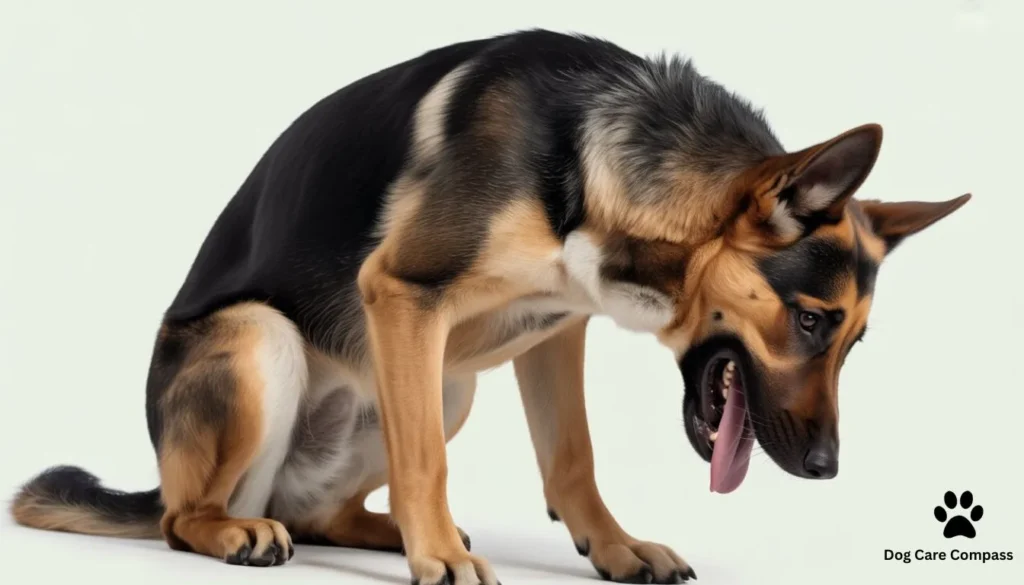
Chamomile belongs to the Asteraceae plant family — the same family as ragweed, daisies, chrysanthemums, and marigolds. Dogs with known allergies to any of these plants face real risk of allergic cross-reaction to chamomile.
Allergic reactions to chamomile in dogs can range from mild skin irritation and facial itching to more serious responses including facial swelling, hives, difficulty breathing, and in severe cases, anaphylaxis.
Signs of chamomile allergic reaction in dogs:
- Facial swelling or puffiness around the muzzle
- Hives or raised welts on the skin
- Excessive itching or skin redness after contact
- Vomiting shortly after ingestion
- Difficulty breathing or rapid breathing
- Lethargy or sudden collapse
If any of these appear after giving your dog chamomile — stop immediately and contact your vet.
Toxicity at High Doses
Chamomile is not toxic to dogs at small, appropriate doses. At large doses — or with very frequent prolonged use — the volatile oils in chamomile, including bisabolol and chamazulene, accumulate and can cause toxicity.
Signs of chamomile overdose in dogs:
- Vomiting
- Diarrhea
- Excessive salivation
- Loss of appetite
- Lethargy or depression
- Skin irritation (contact dermatitis)
- Nosebleeds or unusual bleeding tendencies — bisabolol has mild blood-thinning properties
This is why dosage and frequency guidelines matter. An occasional small amount is supportive. Daily large amounts over extended periods is where problems develop.
Medication Interactions
Chamomile interacts with certain medications in ways that matter clinically:
| Medication Type | Interaction Risk |
|---|---|
| Blood thinners (warfarin, heparin) | Chamomile’s mild anticoagulant effect amplifies bleeding risk |
| Sedatives or anti-anxiety medications | Additive sedation — excessive drowsiness |
| NSAIDs (anti-inflammatory drugs) | Combined anti-inflammatory effect — may need dose adjustment |
| Diabetes medication | Mild blood sugar-lowering effect may require monitoring |
If your dog is on any regular medication — confirm with your vet before introducing chamomile tea.
Not Safe for Pregnant Dogs
Chamomile has documented uterotonic properties — it can stimulate uterine contractions. This makes it inappropriate for pregnant dogs regardless of the amount. The same restriction applies to nursing dogs where the safety of chamomile compounds in milk has not been established.
Who Should Never Have Chamomile Tea
- Pregnant or nursing dogs — uterine stimulation risk
- Dogs allergic to ragweed, daisies, or Asteraceae plants
- Dogs on blood thinners — bleeding risk amplification
- Dogs on sedatives or benzodiazepines — excessive sedation
- Dogs with known bleeding disorders
- Very young puppies — only with explicit vet approval
- Dogs with scheduled surgery — discontinue at least one week before
How to Prepare Chamomile Tea for Dogs — The Right Way
The preparation matters as much as the dosage. Most chamomile tea problems arise from improper preparation rather than the herb itself.
Step-by-step preparation:
- Choose the right product. Plain dried chamomile flowers or plain chamomile tea bags — single ingredient only. No blended teas. No added herbs. No flavoring. No chamomile tea marketed for humans with added ingredients like mint, lemon, or valerian.
- Brew lightly. Pour boiling water over one tea bag or one teaspoon of loose dried chamomile flowers. Steep for 5 to 8 minutes — no longer. Over-steeping concentrates the volatile oils beyond appropriate levels.
- Dilute with water. Mix the brewed tea 1:1 with plain water before serving. This brings the concentration to an appropriate level for dogs.
- Cool completely. Never serve warm or hot. Cool to room temperature, then refrigerate until fully chilled if preferred. Dogs do not regulate oral temperature the way humans do — warm liquids cause discomfort.
- Add nothing. No sugar. No honey. No milk. No flavorings. Plain, cooled, diluted tea only.
- Serve separately from water. Offer chamomile tea in a separate bowl — do not add it to the main water bowl. Your dog should have unlimited access to plain water at all times alongside the chamomile tea offering.
How Much Chamomile Tea Can Dogs Drink? — Dosage by Size
| Dog Size | Weight | Amount Per Serving | Frequency |
|---|---|---|---|
| Extra Small | Under 5 lbs | 1 teaspoon | Maximum twice weekly |
| Small | 5–15 lbs | 1–2 tablespoons | Maximum twice weekly |
| Medium | 15–30 lbs | 3–4 tablespoons | Maximum twice weekly |
| Large | 30–50 lbs | ¼ cup | Maximum twice weekly |
| Extra Large | 50+ lbs | ¼ to ½ cup | Maximum twice weekly |
These amounts are for the diluted (1:1 with water) brewed tea. Starting with half the amount on first introduction and observing for 24 hours before the next serving is always the sensible approach.
Chamomile tea is not a daily supplement. “A few times a week at most” is the appropriate frequency for ongoing use. Daily use over extended periods increases the risk of side effects from volatile oil accumulation.
How to Use Chamomile Tea Topically on Dogs — Skin and Paws
The topical application of chamomile tea is arguably more versatile than the oral use — and safer, since there is no ingestion risk.
For itchy or irritated skin patches: Brew chamomile tea, cool completely in the refrigerator. Soak a clean cloth or cotton pad in the cold tea. Apply as a compress to the irritated area and hold gently for 3 to 5 minutes. The cold temperature provides immediate soothing. The chamomile compounds reduce inflammation and surface bacterial load. Repeat twice daily until irritation resolves.
For itchy paws: Pour cooled chamomile tea into a shallow basin. Have your dog stand in it for 3 to 5 minutes — most dogs tolerate paw soaks well if introduced calmly with rewards. Pat dry thoroughly afterward — leaving moisture between the toes can encourage yeast growth. This is one of the most consistently effective home remedies for paw itching from environmental allergens.
For hot spots: Apply cooled chamomile tea compress to the hot spot area twice daily. The anti-inflammatory compounds reduce the heat and swelling. Prevent licking with an E-collar while the compress works. If the hot spot does not show clear improvement within 24 to 48 hours — it likely has secondary bacterial infection requiring veterinary treatment.
For a full-body soothing rinse: Brew 4 to 6 chamomile tea bags in a large pot of water. Cool completely. Use as a final rinse after bathing — pour over the coat, work into the skin, and towel dry without rinsing off. The tea compounds remain on the skin continuing to work after the bath.
Chamomile Tea vs Other Calming Options for Dogs
| Option | Effectiveness for Mild Anxiety | Safety | Ease of Use | Best For |
|---|---|---|---|---|
| Chamomile tea | Moderate | High (for eligible dogs) | Easy | Mild situational stress |
| Valerian root | Moderate-high | Moderate | Moderate | Mild-moderate anxiety |
| L-theanine supplements | Moderate | High | Easy | General daily anxiety support |
| CBD oil (dog-specific) | Moderate-high | Moderate | Easy | Moderate anxiety |
| Prescription medication | High | High (vet-directed) | Variable | Severe or clinical anxiety |
| Melatonin | Low-moderate | High | Easy | Sleep disruption, mild stress |
Chamomile sits in the mild-to-moderate effectiveness range for anxiety — useful as part of a toolkit, not as a standalone solution for serious anxiety.
Frequently Asked Questions
Can I put chamomile tea in my dog’s water bowl?
Not recommended. Adding chamomile tea to the main water bowl removes your dog’s choice and means they consume it every time they drink — regardless of dose or timing. Offer chamomile tea in a separate bowl alongside unrestricted access to plain water. Let your dog choose.
Can chamomile tea help a dog sleep?
Possibly — the apigenin in chamomile has mild sedative properties. For dogs that are restless at night due to mild anxiety, a small amount of chamomile tea an hour before bedtime may support calmer sleep. It will not knock a dog out and should not be expected to. For serious sleep disruption — investigate the underlying cause with your vet.
Can chamomile tea help a dog with an upset stomach?
For mild, uncomplicated digestive upset — food change nausea, minor gas, soft stools in an otherwise well dog — yes, chamomile tea’s antispasmodic properties may provide relief. It is not appropriate for vomiting, diarrhea with blood, signs of pain, or digestive symptoms that persist beyond 24 hours.
Can I use chamomile essential oil instead of tea?
No. Essential oils are highly concentrated — many times stronger than brewed tea. The same compounds that are safe and beneficial in tea form become dangerous at essential oil concentrations. Several essential oils are outright toxic to dogs. Never apply chamomile essential oil to your dog’s skin or give it internally without explicit veterinary guidance.
Is chamomile the same as Roman chamomile and German chamomile?
Both Roman and German chamomile are safe for dogs in the same way and at the same dosages. German chamomile (Matricaria recutita) is more commonly used in pet care products and has a slightly higher chamazulene content — meaning stronger anti-inflammatory action. Both are appropriate for the uses described in this guide.
What if my dog refuses to drink chamomile tea?
That is completely fine — do not force it. Some dogs dislike the taste. If your dog refuses the tea, skip it and try the topical application instead, which delivers many of the same benefits without requiring ingestion.
Final Summary
- Can dogs drink chamomile tea? Yes — cooled, plain, diluted, in small amounts, for healthy adult dogs without contraindications
- The active compounds — apigenin, bisabolol, chamazulene — provide genuine calming, anti-inflammatory, and antispasmodic effects
- Dosage: 1 tablespoon for small dogs to ¼–½ cup for large dogs, maximum twice weekly, always diluted 1:1 with water
- Never give chamomile tea to pregnant dogs, dogs on blood thinners, dogs allergic to ragweed or daisies, or dogs on sedative medications
- Topical chamomile tea — cooled compress or paw soak — is safe, effective, and versatile for skin irritation, hot spots, and paw itching
- Caffeinated teas are toxic to dogs — always confirm the tea is caffeine-free before serving
- Chamomile is a supportive tool, not a medication — it does not replace veterinary care for anxiety disorders, established infections, or serious digestive illness
- If your dog shows any signs of allergic reaction after chamomile — stop immediately and contact your vet
Written using veterinary safety guidelines and published pharmacological research on Matricaria recutita in companion animals. Always consult a licensed veterinarian before introducing herbal supplements into your dog’s routine. 2026

researching veterinary sources, scientific studies, and expert
guides to bring dog owners accurate, practical information. Every
article is written with care and reviewed against credible
veterinary references including ASPCA, AKC, and peer-reviewed
literature.
- How to Stop Dog Barking at Night: 8 Proven Methods That Work - July 2, 2026
- Dog Pulls on Leash Every Walk? Fix It With This Simple Method - July 2, 2026
- How to Teach a Dog to Heel Without Treats: Step-by-Step Method - June 27, 2026