How to Teach a Dog to Heel Without Treats: The Method That Actually Sticks
Most heel training guides start with a pocket full of food and end with a dog that only heels when they can smell a treat nearby.
I spent two years teaching a Belgian Malinois to heel with treats before realizing I had created a dog that was technically proficient and completely dependent on food in his face to produce the behavior. The moment the treats were gone, so was the heel.
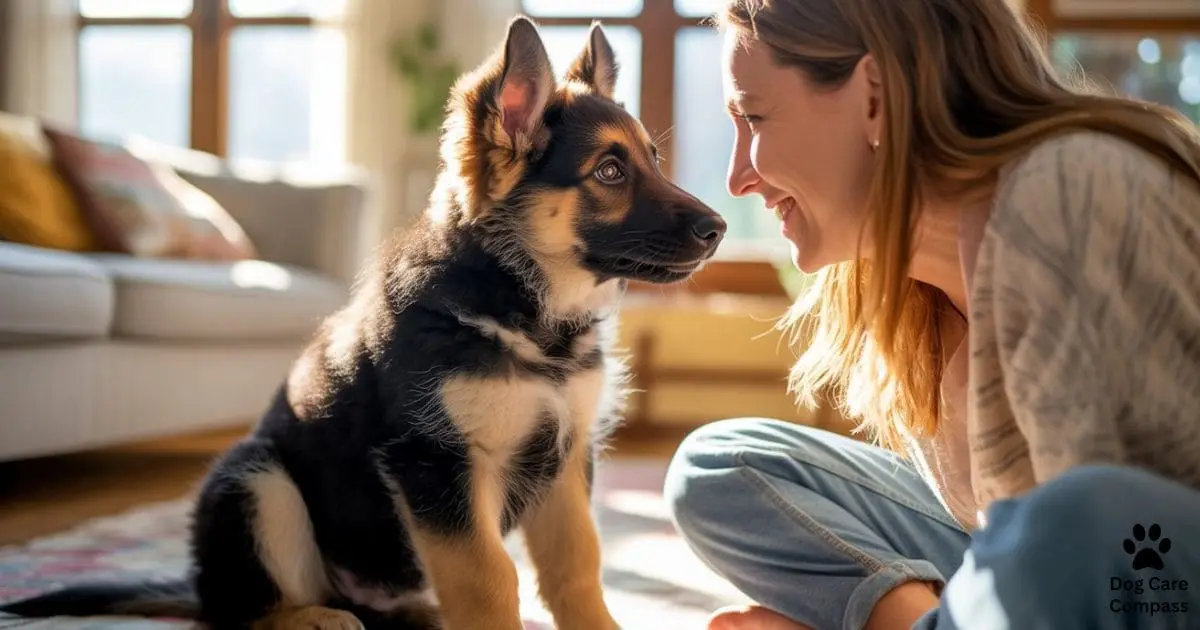
Teaching heel without treats is not about being harsh. It is about using motivation that the dog carries with them everywhere — attention, play, relationship — rather than motivation that lives in your pocket.
How to teach a dog to heel without treats? Use engagement, play reward, and leash pressure release as the primary reinforcement tools. The dog learns to heel because walking in position produces good things — play, access to you, release of leash pressure — rather than because food appears.
Quick Answer
| Method | Best For | Difficulty |
|---|---|---|
| Play reward heel | High-drive breeds | Medium |
| Engagement-based | People-focused dogs | Easy |
| Leash pressure release | Dogs that ignore rewards | Medium |
| Marker + life rewards | All breeds | Medium |
Why Treat-Based Heel Often Fails Long-Term
Treats work. In the short term, they work very well.
The problem is that food reward creates a specific learning context. The dog learns: food present = perform behavior. Food absent = behavior optional.
This is called stimulus control — the treat becomes part of the cue. Many dogs trained this way require food luring to maintain the behavior indefinitely rather than developing it as a default walking pattern.
For working breeds especially — German Shepherds, Belgian Malinois — the food reward ceiling is low. These dogs are capable of far more sophisticated responses to relationship-based reinforcement than food provides.
What to Use Instead of Treats
1. Play — Tug or Ball
Play is the most powerful non-food reinforcer for most dogs.
A brief, enthusiastic game of tug or a thrown ball when the dog heels correctly is more motivating than food for many working breeds — and the motivation transfers to all environments because the dog wants to play with you, not find food near you.
The key is the enthusiasm. A limp, half-hearted tug offer teaches the dog that heeling produces something boring. An explosive, exciting play reward teaches the dog that heeling produces the best thing in the world.
2. Attention and Engagement
Your engagement itself is a reward for a well-bonded dog.
Eye contact, excited verbal markers, animated body language, and genuine enthusiasm from the owner produce genuine motivation in dogs that have a strong relationship with their handler.
This is harder to execute than it sounds — it requires the owner to be genuinely energetic and communicative rather than walking with their phone in their hand.
3. Leash Pressure Release
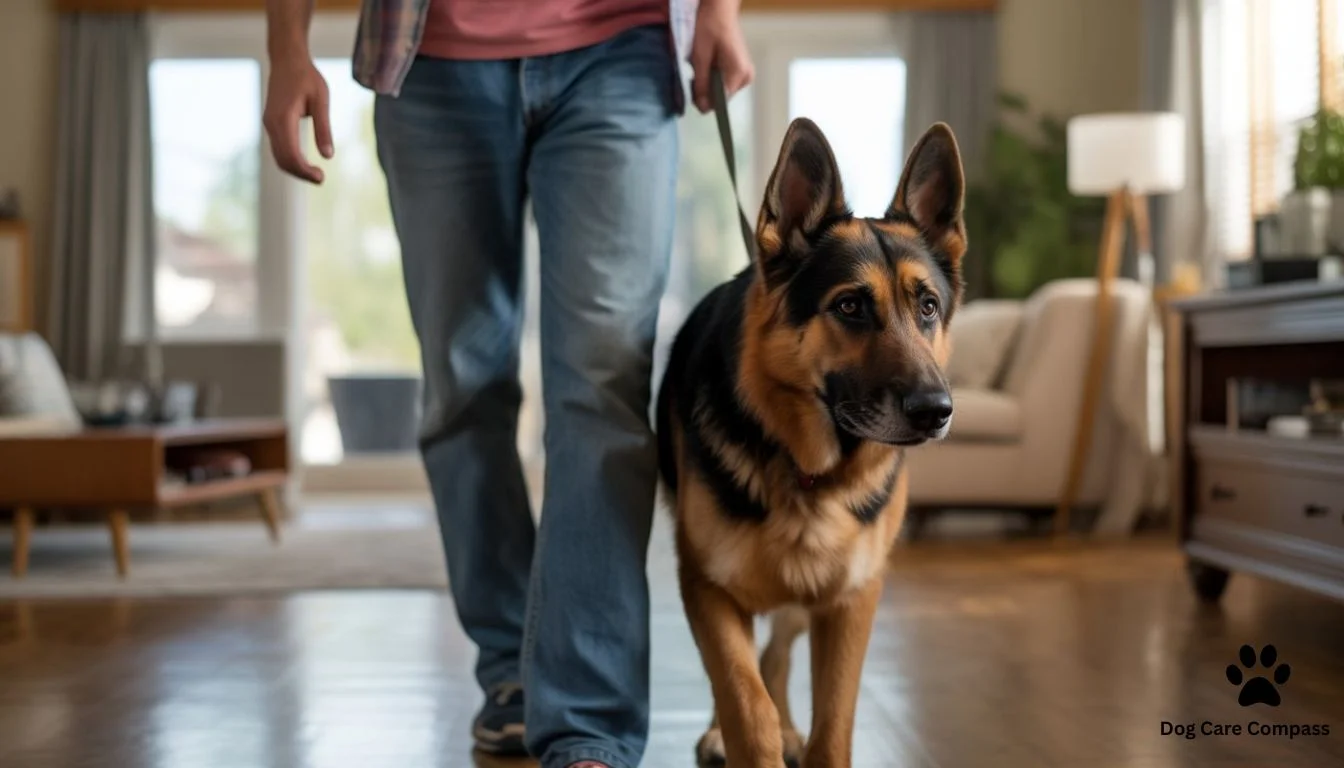
A dog walking in heel position experiences no leash pressure. A dog that drifts out of position experiences light leash pressure that releases the moment they return.
The release of pressure is the reward. This is negative reinforcement in its technical sense — removing something unpleasant — and it produces reliable behavior when applied consistently and without force.
The pressure must be light — guiding, not yanking. The release must be immediate — the moment the dog returns to position.
4. Life Rewards — Forward Movement
Dogs want to walk. They want to sniff. They want to get to the park.
Forward movement and access to the environment are powerful rewards that owners rarely use intentionally.
A dog walking in heel position gets to continue walking. A dog that forges ahead or drifts causes the handler to stop completely. Forward movement resumes only when heel position is resumed.
This produces dogs that heel reliably because they associate heel position with being able to go where they want to go.
Step-by-Step: Teaching Heel Without Treats
Step 1 — Establish the Heel Position First
Before any walking, teach the dog what heel position is.
Stand still. Guide the dog to your left side with the leash — body parallel to yours, shoulder at your hip. Mark the correct position with a verbal marker — “yes” or a click.
Reward with play, engagement, or release of leash pressure.
Repeat until the dog reliably moves to this position when you stop. This should take three to five minutes per session over several days.
Step 2 — One Step at a Time
Take one step. Stop.
If the dog is still in position when you stop — mark and reward with play or engagement.
If the dog drifted — no reward, reset to position, try again.
One step. Stop. Check position. Reward or reset.
This feels incredibly slow. It teaches the concept faster than luring through twenty steps of mediocre position.
Step 3 — Build Duration Before Distance
Three steps in heel. Stop. Reward.
Five steps. Stop. Reward.
Ten steps. Stop. Reward.
Do not increase duration faster than the dog’s reliability allows. If the dog breaks heel at five steps — go back to three.
Step 4 — Add Direction Changes
Direction changes are where heel becomes a real skill.
Turn left — the dog must move with you without being lured. Use leash guidance as needed, mark and reward when they remain in position through the turn.
Turn right — the dog steps aside and back into position.
About turn — requires the dog to actively follow your movement.
Practice each direction change until it is reliable before combining them.
Step 5 — Add Distractions Gradually
A dog that heels perfectly in the garden and falls apart near other dogs has learned heel in one context.
Introduce distractions at threshold — far enough away that the dog notices but is not overwhelmed. Practice heel at that distance until reliable. Move slightly closer.
This is identical to the desensitization process that works for fear-based reactivity in German Shepherds — same principle, different application.
Step 6 — Transfer to Real Walks
Practice structured heel for the first five minutes of every walk — before releasing the dog to sniff freely.
The dog learns that heel happens at the start of walks and produces access to the free sniffing time they want. Forward movement and environmental access become the reinforcement for heel on real walks.
Breed-Specific Notes
German Shepherds respond very well to engagement-based heel training. Their desire to work with and for their handler makes relationship-based reinforcement highly effective. A GSD that heels because their handler is interesting and the work is rewarding is more reliable than one that heels for food. Our GSD complete guide covers the breed’s trainability and what motivates them best.
Belgian Malinois are play-motivated above almost everything else. Tug reward for heel position is the most effective reinforcement for this breed — the play drive transfers reliably to all environments in a way that food does not. Our Malinois training guide covers drive-based training principles that apply directly to heel work.
Common Mistakes
Rewarding average position: If the dog is slightly ahead or slightly wide and you reward anyway, you teach slightly ahead or slightly wide as the acceptable position. Reward only correct position.
Moving too fast: Owners feel awkward walking one step at a time and rush to full walks before the dog understands the concept. The slow phase produces faster overall learning.
Inconsistent expectations: Heel during training but allow pulling during regular walks. The dog learns that pulling is allowed most of the time. Consistent position expectation on every walk produces consistent behavior.
Giving up when the dog fails: The dog drifting out of position is information — the step count was too high, the distraction was too close, or the position concept is not clear yet. Reset and rebuild rather than repeating the failed attempt.
Frequently Asked Questions
How long does it take to teach heel without treats?
Most dogs show reliable heel in familiar environments within two to four weeks of daily practice. Transfer to distracting environments takes longer — four to eight weeks of progressive distraction work for most dogs.
My dog heels for a few steps then breaks — what am I doing wrong?
Duration is too high. Go back to the number of steps where the dog was reliable and build from there. One step at a time if necessary.
Can I use both treats and play?
Yes — variety in reward keeps training interesting. The goal is not to never use treats, but to not make treats the only thing that produces heel behavior. A dog that heels for play, attention, and forward movement continues heeling when treats are unavailable.
My dog loses interest completely without food — what do I do?
Build play drive first. Practice tug and reward enthusiasm for engagement with you before adding the heel exercise. A dog with no play drive and no handler engagement is a dog that needs relationship work before skill work.
Final Summary
- Heel trained only with food produces dogs that heel only when food is present
- Play, engagement, leash pressure release, and forward movement are the alternative reinforcers
- Teach heel position before walking — one step at a time
- Build duration before distance, distance before distractions
- Direction changes are where heel becomes a real skill — practice each one separately
- Consistent expectations on every walk — not just training sessions — produce consistent behavior
- Working breeds respond strongly to play and relationship-based reinforcement
Start today: Five minutes before the next walk. Stand still, guide the dog to heel position, take one step, stop. If they are still in position — explosive play for thirty seconds. If not — reset quietly. Ten repetitions. That is it. That is where every reliable heel starts.

researching veterinary sources, scientific studies, and expert
guides to bring dog owners accurate, practical information. Every
article is written with care and reviewed against credible
veterinary references including ASPCA, AKC, and peer-reviewed
literature.
- How to Stop Dog Barking at Night: 8 Proven Methods That Work - July 2, 2026
- Dog Pulls on Leash Every Walk? Fix It With This Simple Method - July 2, 2026
- How to Teach a Dog to Heel Without Treats: Step-by-Step Method - June 27, 2026