Dog Not Eating After Vaccination: What to Expect and When to Worry
I vaccinated my dog on a Tuesday morning. By Tuesday evening, his food bowl was untouched. By Wednesday morning, still nothing.
I called the vet in a mild panic. She laughed — gently — and told me this was one of the most common calls she received after vaccination days.
If your dog has stopped eating after a vaccination, you are almost certainly dealing with a normal immune response rather than something serious. But there is a timeline and a set of signs that tell you when normal becomes concerning — and knowing the difference matters.
Why is my dog not eating after vaccination? Appetite loss after vaccination is a common, expected side effect of the immune system’s response to the vaccine. Most dogs resume normal eating within 24 to 48 hours. Beyond 48 hours, or alongside more serious symptoms, veterinary assessment is appropriate.
Quick Answer
| Duration After Vaccine | Dog Otherwise Normal | Action |
|---|---|---|
| Under 24 hours | Yes | Normal — monitor |
| 24–48 hours | Yes | Normal — offer bland food |
| 48+ hours | Yes | Call your vet |
| Any duration | No — lethargic, vomiting, swelling | Call vet immediately |
| Any duration | Facial swelling, difficulty breathing | Emergency vet now |
Why Vaccines Cause Appetite Loss
Understanding the mechanism makes the behavior less alarming.
Vaccines work by triggering the immune system to produce antibodies against a pathogen. This immune activation is intentional — it is the entire point of vaccination.
The immune response produces cytokines — signaling proteins that coordinate the body’s defense. These same cytokines affect the brain’s appetite control centers, producing temporary appetite suppression.
It is the same reason humans feel slightly off after certain vaccinations. The body is busy doing something important. Appetite is deprioritized during that process.
The appetite suppression is not a sign that something went wrong. It is evidence that the vaccine is working — the immune system responded.
What Is Normal After Vaccination
Completely normal for 24 to 48 hours:
- Reduced or absent appetite
- Mild lethargy — sleeping more than usual
- Low-grade fever — slightly warm to the touch
- Soreness at the injection site — reluctance to be touched there
- Mild swelling at the injection site — soft, not hard
- Reduced interest in play
These are all expected immune responses. They require monitoring, not treatment.
What requires veterinary contact:
- Vomiting more than twice
- Diarrhea alongside appetite loss
- Facial swelling or hives
- Difficulty breathing — any sign
- Collapse or extreme weakness
- Symptoms persisting beyond 48 hours
- Any symptom that feels disproportionate to a normal post-vaccine response
Allergic Reaction vs Normal Response — Critical Distinction
Most post-vaccine appetite loss is normal immune response. A small percentage is allergic reaction — and knowing the difference is genuinely important.
Normal response: Gradual onset over several hours. Mild lethargy. Reduced appetite. Mild local swelling. Resolves within 24 to 48 hours.
Allergic reaction: Rapid onset — within 30 to 60 minutes of vaccination. Facial swelling. Hives or skin welts. Vomiting. Difficulty breathing. Collapse.
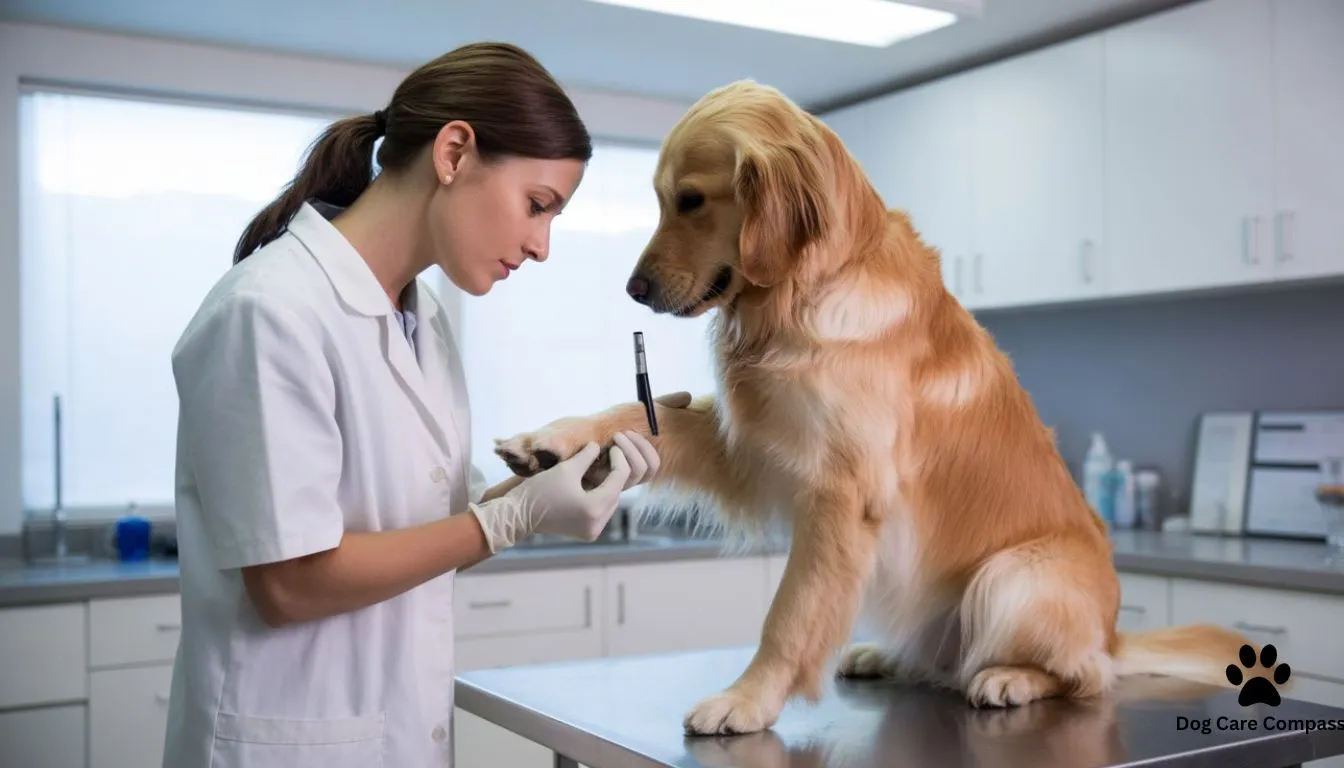
An allergic reaction to a vaccine is a medical emergency. If your dog received a vaccination within the past hour and is showing facial swelling, hives, vomiting, or breathing difficulty — go to an emergency vet immediately without waiting.
Normal post-vaccine appetite loss does not involve facial swelling, hives, breathing changes, or rapid deterioration. If any of these are present — this is not normal.
Which Vaccines Cause More Reactions
Some vaccines produce stronger immune responses than others.
More likely to cause appetite suppression:
- Leptospirosis vaccine — one of the most commonly reported reaction-causing vaccines
- DHPP combination vaccine — particularly when given alongside other vaccines
- Rabies vaccine — occasionally produces mild systemic response
- Bordetella — mild lethargy common, particularly intranasal form
Timing consideration: Multiple vaccines given simultaneously produce stronger combined immune responses than single vaccines. A puppy receiving four vaccines in one visit is more likely to show appetite suppression than one receiving a single booster.
What to Feed a Dog Not Eating After Vaccination
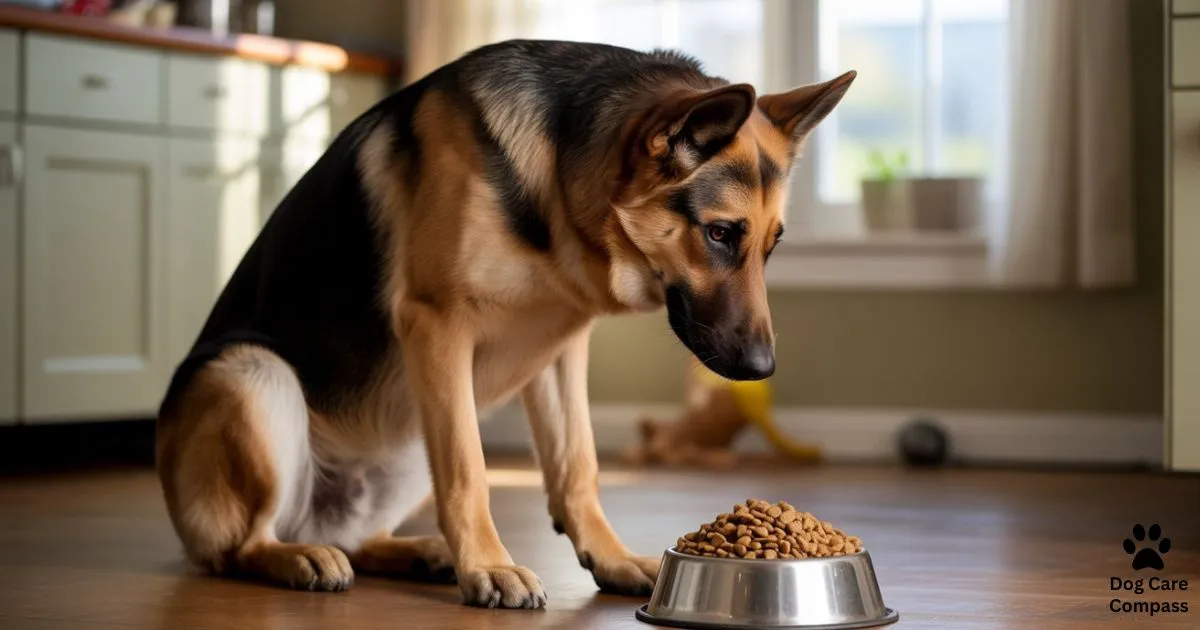
Do not force feed. Do not panic and offer unlimited treats.
First 24 hours:
Offer water consistently. Do not worry about food if the dog is drinking and otherwise acting normally.
After 24 hours:
Try a bland meal — boiled chicken and white rice is the standard recommendation. The mild flavor and easy digestibility appeal to a mildly nauseated immune system better than rich kibble.
Our rice and eggs guide covers quick, simple recovery meals that work well in this situation.
Warming food slightly increases aroma and often triggers eating in a dog that has been ignoring cold kibble.
What to avoid:
Do not use the post-vaccine appetite loss as an opportunity to introduce new treats or foods. Adding dietary variables makes it harder to identify whether subsequent symptoms are vaccine-related or food-related.
Puppy Vaccinations — Different Rules
Puppies are vaccinated more frequently than adult dogs — typically at 8, 12, and 16 weeks for core vaccines.
Puppies’ immune systems are less mature, and their response to vaccination is often more pronounced than adult dogs.
A puppy not eating for 12 to 24 hours after vaccination while otherwise acting relatively normally is within the expected range. Beyond 24 hours — call your vet. Puppies have smaller energy reserves and dehydrate faster than adult dogs.
Watch puppies more closely than adults in the 48 hours following vaccination — their response to adverse reactions can escalate faster.
Breed Considerations
German Shepherds are among the breeds occasionally reported to show stronger reactions to the leptospirosis vaccine specifically. This does not mean GSD owners should avoid the vaccine — it means monitoring more carefully in the 24 hours after administration.
Belgian Malinois — high-drive working dogs that mask discomfort effectively. A Malinois that is genuinely unwell post-vaccination may appear more normal than they actually are. Err toward monitoring more closely rather than less for this breed.
Small breeds — Dachshunds, Chihuahuas, small terriers — show higher rates of vaccine reactions than large breeds. If you have a small dog, remaining at the vet clinic for 15 to 20 minutes after vaccination allows observation during the period when allergic reactions most commonly occur.
Frequently Asked Questions
How long does appetite loss after vaccination last?
Most dogs resume normal eating within 24 to 48 hours. Some take the full 48 hours. Beyond 48 hours — contact your vet regardless of otherwise normal behavior.
Should I skip the next vaccine if my dog reacted?
Discuss with your vet rather than deciding unilaterally. The risk of skipping core vaccines is almost always higher than the risk of mild post-vaccine reaction. Your vet may recommend pre-medicating before the next vaccine, separating vaccines across multiple visits, or monitoring for a longer period at the clinic.
My dog ate a small amount but not a full meal — is that okay?
Yes — partial eating is a normal post-vaccine pattern. A dog eating 30 to 50% of their normal meal in the 24 hours after vaccination is within expected range.
Can I give my dog anything to help with post-vaccine discomfort?
Ask your vet before giving anything. Human pain medications including ibuprofen and paracetamol are toxic to dogs. Some vets recommend a specific canine-safe anti-inflammatory for dogs that consistently react strongly — but this requires veterinary guidance.
My dog had the vaccine three days ago and still isn’t eating — what now?
Call your vet today. Three days of appetite loss is beyond the expected post-vaccine window regardless of how otherwise normal the dog appears.
Final Summary
- Post-vaccine appetite loss is a normal, expected immune response — not a sign something went wrong
- Most dogs resume normal eating within 24 to 48 hours
- Bland food — boiled chicken and rice — is more appealing than kibble to a mildly nauseated immune system
- Allergic reaction signs — facial swelling, hives, breathing difficulty — require emergency veterinary care immediately
- Beyond 48 hours of appetite loss — call your vet regardless of otherwise normal behavior
- Puppies have a shorter acceptable window — 24 hours before contacting a vet
- Leptospirosis vaccine produces the most commonly reported reactions — monitor more carefully after this specific vaccine
What to do right now: Ensure fresh water is always available. Offer a small amount of plain boiled chicken at the next meal time. Give the dog quiet rest space. Check the injection site once daily for unusual swelling. Set a 48-hour mental timer — if appetite has not returned by then, call your vet.

researching veterinary sources, scientific studies, and expert
guides to bring dog owners accurate, practical information. Every
article is written with care and reviewed against credible
veterinary references including ASPCA, AKC, and peer-reviewed
literature.
- How to Stop Dog Barking at Night: 8 Proven Methods That Work - July 2, 2026
- Dog Pulls on Leash Every Walk? Fix It With This Simple Method - July 2, 2026
- How to Teach a Dog to Heel Without Treats: Step-by-Step Method - June 27, 2026