Dog Pulls on Leash Every Walk: Why It Happens and How to Fix It Permanently
My first dog pulled on the leash every single walk for three years. I tried six different harnesses, two different collars, stopping every time he pulled, and a trainer who told me to change direction every thirty seconds.
Nothing worked consistently. He pulled because pulling worked — he moved forward when he pulled forward. The physics were simple and I was losing.
Leash pulling is one of the most common dog behavior issues owners report — and one of the most fixable once you understand what is actually maintaining the behavior.
Why does my dog pull on the leash every walk? Dogs pull because pulling produces forward movement. The behavior is self-reinforcing — every step the dog takes while pulling teaches them that pulling is how walking works. Fixing it requires making forward movement contingent on a loose leash rather than pulling.
Quick Answer
| Method | Best For | Works In |
|---|---|---|
| Stop and wait | Most dogs | 2–4 weeks |
| Direction change | High-energy dogs | 3–6 weeks |
| Engage and reward position | Working breeds | 2–4 weeks |
| Management tools — front-clip harness | Immediate relief while training | Immediate |
Why Most Leash Training Fails
The most common advice for leash pulling is “stop when the dog pulls.”
This works in theory. In practice — owners stop, the dog stops, the owner starts walking again, the dog immediately pulls again. The pulling produces movement. The stopping produces a brief pause. The net result: forward movement happens primarily while the dog is pulling.
The fix is not stopping more consistently. The fix is making the dog understand that loose leash = forward movement and tight leash = nothing happens.
This requires mechanical consistency — every single step, every single walk — rather than occasional intervention. Most owners achieve this for five minutes and then let things slide. The dog learns that pulling works most of the time with occasional interruptions.
What Actually Works
Method 1 — Stop and Plant (Most Dogs)
The moment the leash tightens — stop completely. Both feet planted.
Do not move forward until the leash goes loose. The instant it loosens — even briefly — take several steps forward. The moment it tightens again — stop.
The critical detail: Do not wait for the dog to return to heel position. Reward loose leash anywhere — including the dog at the end of a loose lead — with forward movement. Position comes later. Right now, teach the concept that loose leash = go.
This works for most dogs within two to four weeks of absolutely consistent application.
The word “consistent” is doing a lot of work in that sentence. Stopping 90% of the time while allowing pulling 10% of the time significantly extends the learning process. The 10% exception teaches the dog that persistence eventually pays off.
Method 2 — Direction Change
When the leash tightens — change direction immediately. Walk the other way.
The dog must follow or be left behind. The moment they catch up and the leash loosens — continue in the new direction. If they pull in the new direction — change again.
This is more physically demanding on the owner and more mentally engaging for the dog. It works faster than stop-and-plant for high-energy dogs that can sustain pulling through extended stops.
The limitation is practical — changing direction constantly makes it difficult to actually get anywhere. Use this method in a low-distraction area specifically for training, then transfer the behavior to real walks.
Method 3 — Engage and Reward Position (Working Breeds)
Rather than responding to pulling, proactively reinforce the position you want.
Mark and reward the dog for being at your side before pulling happens. Stop, reset to position, take three steps, mark if still in position, reward.
This is the beginning of heel training without formal heel — rewarding check-ins and position without requiring the full attention of structured heel work.
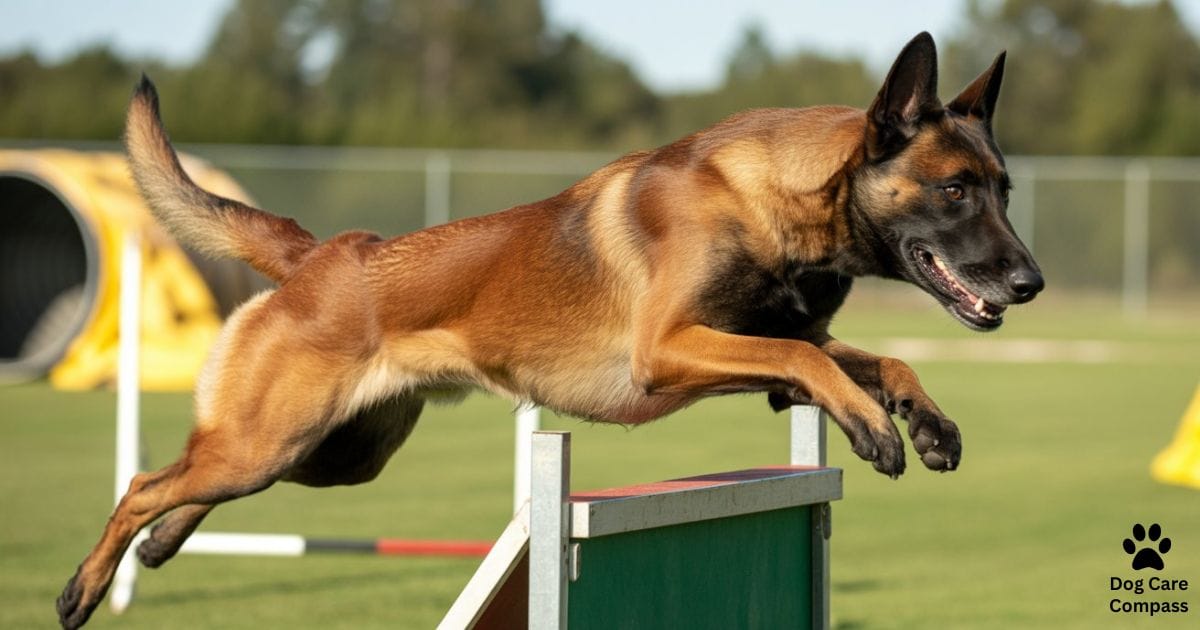
For German Shepherds and Belgian Malinois — breeds with enough drive and handler focus to engage with this approach — it produces the fastest results and transfers most reliably to distracted environments. Combined with the heel training principles in our heel training guide, this approach produces a dog that walks well in all situations.
Method 4 — Front-Clip Harness for Immediate Management
Front-clip harnesses redirect the dog toward the handler when they pull forward — physically making sustained pulling awkward.
This does not train the dog. It manages the pulling while training happens.
Using a front-clip harness alongside consistent stop-and-plant or direction change training produces faster results than training alone because the harness reduces the reward value of pulling while training teaches the alternative.
Do not use prong collars or choke chains. They suppress pulling through pain — and dogs accustomed to them often pull just as hard or harder when the equipment is removed. They also damage trust and can cause physical injury.
Why It Gets Worse in Distracted Environments
A dog that walks beautifully in the garden and pulls like a freight train near other dogs has learned to walk nicely — in one specific context.
The distraction environment overwhelms the loose-leash behavior because the dog’s desire to reach the distraction is stronger than the training in that context.
Fix this by introducing distractions at a distance where the dog notices them but is not overwhelmed. Practice loose leash at that distance. Gradually decrease the distance as reliability increases.
This is the same threshold-based approach used for reactivity — beginning at the distance where the dog is aware but manageable, and decreasing distance only as the behavior becomes reliable. Our reactive dog guide covers this threshold concept in full detail.
Common Mistakes
Starting on walks before the concept is solid: Practice loose leash in the garden or living room before the walk. The lower distraction environment allows the concept to establish before it is tested in high-distraction conditions.
Inconsistent application: Ten seconds of stopping followed by walking while the dog pulls teaches the dog that persistence through stops eventually works. Every step requires the same mechanical response.
Rewarding pulling by eventually moving forward: If the owner stops, the dog pulls more, the owner gets frustrated and starts walking — the dog learns that pulling harder eventually moves things forward.
Wrong equipment: Equipment that causes pain or discomfort may suppress the symptom temporarily but does not teach the dog what produces forward movement. The behavior returns the moment the aversive equipment is removed.
Breed-Specific Notes
German Shepherds have strong forward drive that makes leash pulling common and persistent. The engage-and-reward-position method tends to work well because GSDs have the handler focus to engage with it meaningfully.
Belgian Malinois pull from explosive drive and excitement. Physical management tools alongside drive-channeling through training produce better results than aversive interruptions. A Malinois redirected into heel work channels the pulling energy constructively rather than simply suppressing it.
Frequently Asked Questions
How long does it take to stop leash pulling?
With absolutely consistent application — most dogs show significant improvement within two to four weeks. Full transfer to distracting environments takes longer — four to eight weeks of progressive work. Dogs trained inconsistently take significantly longer.
My dog only pulls toward other dogs — is this reactivity?
It may be excitement rather than reactivity — dogs that pull excitedly toward other dogs without barking or aggression have a social drive management issue rather than a fear or aggression issue. The threshold-based approach applies — practice loose leash at a distance where the dog is interested but manageable.
Should I use a slip lead?
Slip leads can be effective tools in experienced hands. For most owners, a well-fitted flat collar or front-clip harness is more consistent and less likely to cause discomfort from improper use.
My dog knows how to walk nicely at home but pulls everywhere else — why?
The behavior was trained in one context and has not been proofed in others. This is a training transfer issue, not a stubbornness issue. Systematically practice in progressively more distracting environments — starting with slightly more distraction than home and increasing gradually.
Final Summary
- Pulling works because pulling produces forward movement — fix that equation
- Loose leash = forward movement is the concept the dog needs to learn
- Stop-and-plant and direction change are the two most effective methods for most dogs
- Consistency on every step of every walk — not occasional intervention — produces lasting change
- Front-clip harnesses manage pulling while training happens — they do not train alone
- Introduce distractions gradually at threshold distance — not at full distraction immediately
- Working breeds respond well to engage-and-reward-position approaches
Start on your next walk: Before leaving the house, plant your feet. Do not take a single step until the leash is loose. When it loosens — walk three steps. If it tightens — stop immediately. Repeat for the entire walk. It will be the slowest walk you have ever taken. It will also be the beginning of a dog that does not pull.

researching veterinary sources, scientific studies, and expert
guides to bring dog owners accurate, practical information. Every
article is written with care and reviewed against credible
veterinary references including ASPCA, AKC, and peer-reviewed
literature.
- How to Stop Dog Barking at Night: 8 Proven Methods That Work - July 2, 2026
- Dog Pulls on Leash Every Walk? Fix It With This Simple Method - July 2, 2026
- How to Teach a Dog to Heel Without Treats: Step-by-Step Method - June 27, 2026