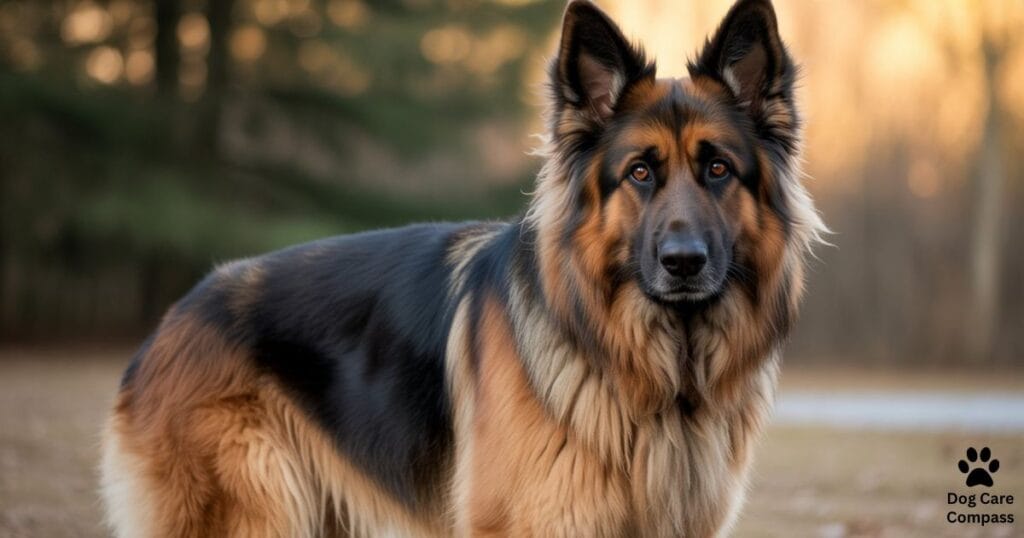
Long Hair German Shepherd – Everything You Need to Know Before Owning One
The Long Hair German Shepherd is a stunning variation of the traditional German Shepherd, admired for its thick flowing coat and loyal personality. While they share the same intelligence and protective instincts as the short-haired type, their luxurious coat requires extra grooming and maintenance. Before bringing one home, it is essential to understand their temperament, exercise needs, health concerns, and long-term costs.
Proper nutrition also plays a major role in their growth. If you are raising a puppy, you may also want to read our detailed guide on Homemade Dog Food for German Shepherd Puppy Weight Gain to ensure healthy development.
What Is a Long Hair German Shepherd?
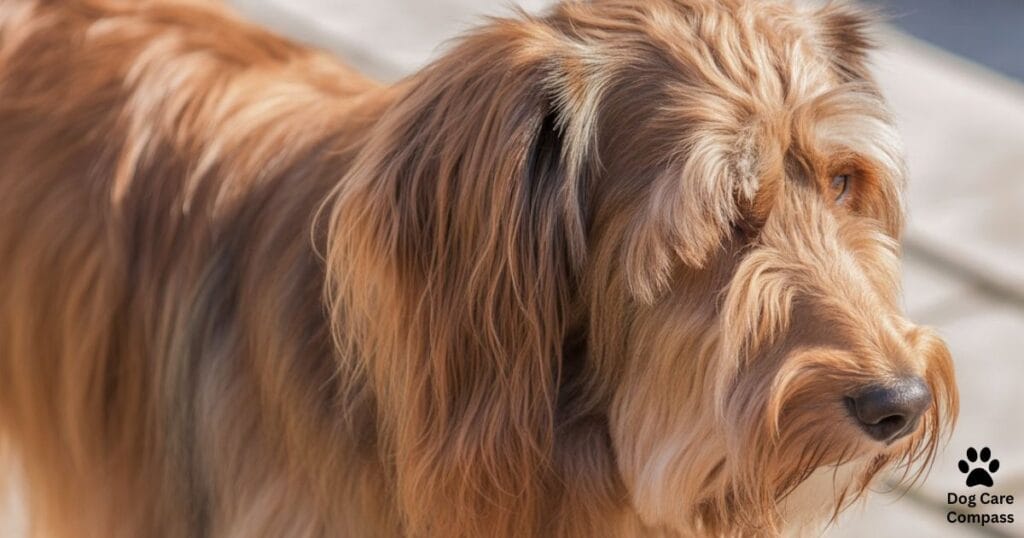
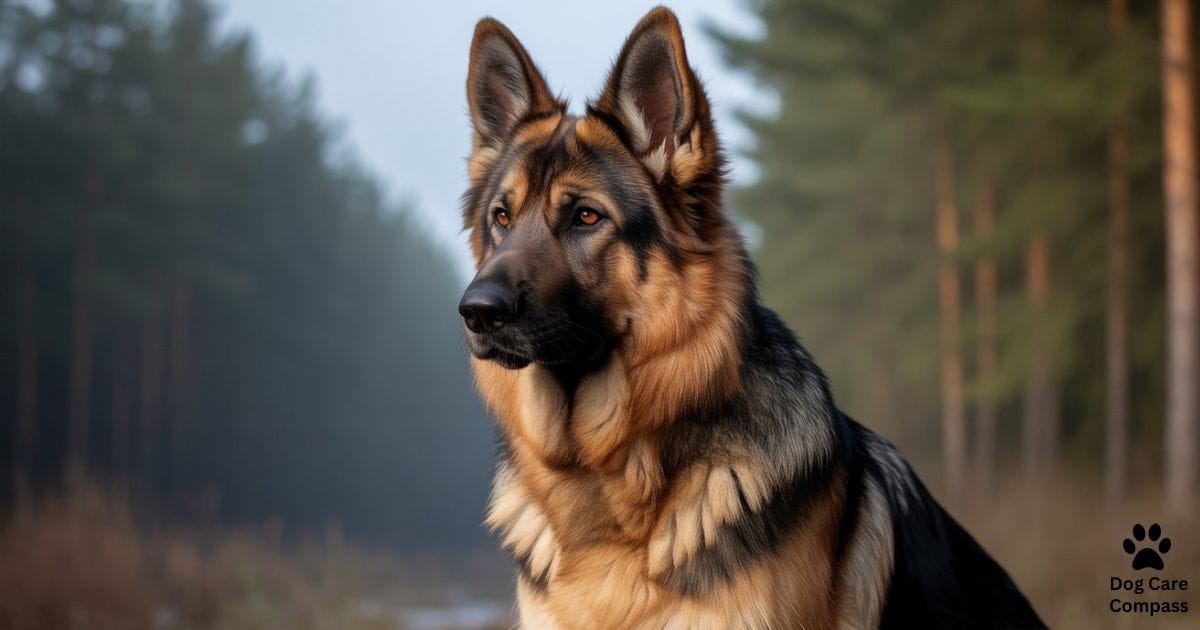
A Long Hair German Shepherd is not a separate breed. It is a purebred German Shepherd that carries a recessive gene responsible for producing a longer outer coat.
Key Physical Features
- Long, dense double coat
- Feathering on ears and legs
- Thick mane around the neck
- Bushy, plume-like tail
Quick Breed Facts
| Trait | Details |
|---|---|
| Lifespan | 9–13 years |
| Height | 22–26 inches |
| Weight | 50–90 lbs |
| Energy Level | Very High |
| Shedding | Heavy |
| Trainability | Excellent |
Long Hair vs Short Hair German Shepherd
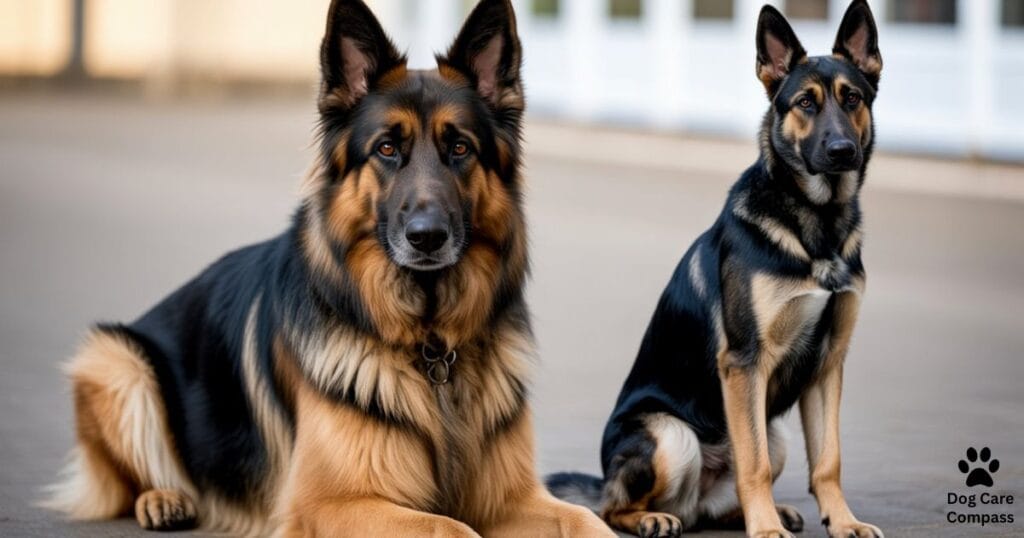
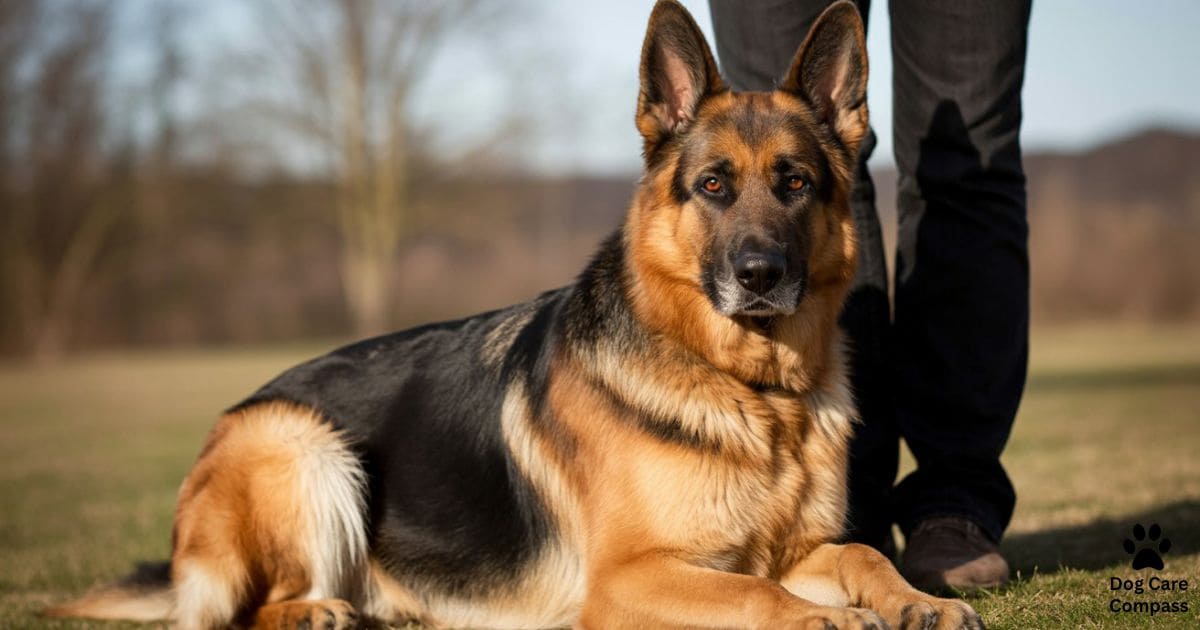
The main difference is coat length, but grooming and maintenance levels vary significantly.
Major Differences
| Characteristic | Long Hair | Short Hair |
|---|---|---|
| Coat Type | Long and feathered | Short and dense |
| Grooming | 2–3 times per week | Once per week |
| Shedding | Heavy seasonal shedding | Heavy seasonal shedding |
| Maintenance | High | Moderate |
Both types share similar intelligence, loyalty, and protective instincts.
Temperament and Personality
Long Coat German Shepherds are extremely loyal and protective. They form strong bonds with their families and are naturally alert and confident.
Core Personality Traits
- Protective instinct
- Highly intelligent
- Family-oriented
- Confident and alert
Early socialization is essential to prevent excessive guarding behavior.
If you want structured obedience methods for intelligent working dogs, our Belgian Malinois Training Guide explains powerful training techniques that also work well for German Shepherds.
Exercise Requirements
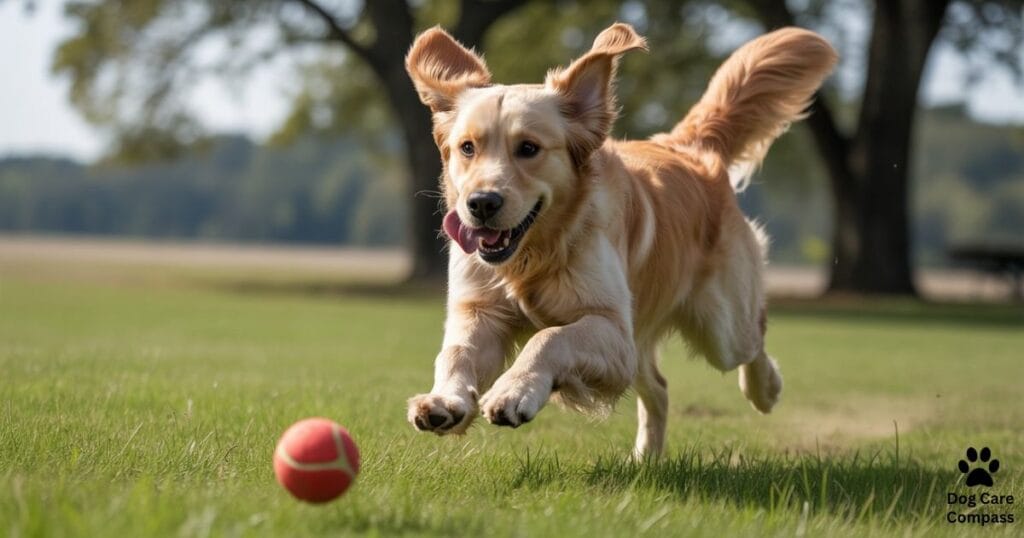
This is a high-energy working breed that requires daily activity.
Daily Activity Needs
- 60–90 minutes of exercise
- Mental stimulation (training, puzzle toys)
- Structured obedience sessions
Without proper exercise, they may develop destructive behavior or anxiety.
High-energy working breeds like German Shepherds share many behavioral similarities with wolves in terms of instinct and drive. You can explore this in our comparison article German Shepherd vs Wolf in Yellowstone.
Grooming Needs and Shedding Level
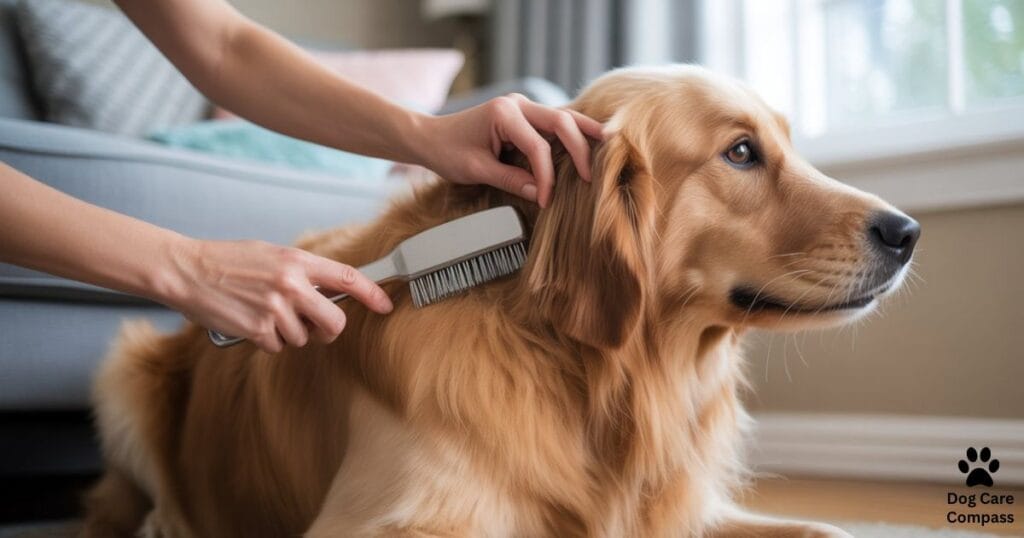
Long Haired German Shepherds are heavy shedders and require consistent coat care.
Grooming Routine
- Brush 2–3 times weekly
- Daily brushing during shedding season
- Bath every 6–8 weeks
- Regular nail trimming
Proper grooming prevents matting and skin irritation.
Common Health Issues
Like all German Shepherds, this variation can be prone to certain genetic health problems.
Major Health Concerns
- Hip dysplasia
- Elbow dysplasia
- Degenerative myelopathy
- Bloat (gastric torsion)
- Skin irritations
Routine veterinary checkups and responsible breeding practices help reduce risks.
Diet and Nutrition
A protein-rich diet supports muscle development and coat health.
Nutritional Recommendations
- 22–26% protein for adults
- 26–30% protein for puppies
- Omega-3 fatty acids for coat health
- Joint supplements if recommended by a vet
Balanced nutrition helps prevent obesity and joint stress.
Certain digestive problems can also affect active breeds, so understanding issues like vomiting in dogs can help owners react quickly to health problems.
Some owners also add fruits as treats. If you are unsure which fruits are safe, read our guide Can Dogs Eat Raspberries?
Pros and Cons
Pros
- Extremely loyal
- Highly trainable
- Strong protective instinct
- Stunning appearance
Cons
- Heavy shedding
- High grooming demands
- Requires significant exercise
- Not ideal for inactive owners
Are They Good for Families?
Yes, when properly trained and socialized.
Family Suitability
- Protective of children
- Affectionate with family
- Needs supervision with small kids
They thrive in active households that can provide structure.
Apartment Living Suitability
Long Hair German Shepherds are not ideal for small apartments unless they receive extensive daily exercise and mental stimulation.
Working Line vs Show Line Long Coat
Working Line
- Higher drive
- More intense temperament
- Best for experienced handlers
Show Line
- Slightly calmer
- Appearance-focused breeding
- Better suited for family environments
How Much Does a Long Hair German Shepherd Cost?
Initial Purchase Price
$1,000 – $2,500 (reputable breeder)
Adoption Cost
$150 – $500
Annual Ownership Expenses
| Expense | Estimated Cost |
|---|---|
| Food | $600 – $1,000 |
| Veterinary Care | $300 – $700 |
| Grooming | $200 – $600 |
| Training | $200 – $500 |
| Supplies | $100 – $300 |
Owning this breed requires long-term financial planning.
Are Long Haired German Shepherds Rare?
They are less common than the short coat variety because the long coat gene is recessive, but they are not extremely rare
Final Verdict: Is This the Right Dog for You?
A Long Hair German Shepherd is ideal for active individuals or families who can commit to grooming, exercise, and consistent training. With proper care, they become one of the most loyal and protective companions you can own.
Maintaining proper gut health is also essential for active breeds. Learn more in our guide on Gut Health for Dogs.