Belgian Malinois Weight Chart: Complete Growth Guide by Age and Gender
When I got my first Belgian Malinois, I had no idea what “normal” looked like for this breed. He seemed to fluctuate between looking too thin and perfectly muscular depending on the week — and I had no reliable reference point.
A weight chart specific to Belgian Malinois is genuinely useful — not because you should obsess over numbers, but because knowing the expected range at each age tells you when something is genuinely off versus when you are simply watching a working dog develop at its own pace.
What is the ideal weight for a Belgian Malinois? Adult male Belgian Malinois typically weigh between 60 and 80 pounds. Adult females weigh between 40 and 60 pounds. Growth is rapid in the first six months and continues more gradually until 18 to 24 months when physical maturity is reached.
Quick Answer
| Age | Male Weight | Female Weight |
|---|---|---|
| 8 weeks | 8–12 lbs | 6–10 lbs |
| 3 months | 18–25 lbs | 14–20 lbs |
| 6 months | 35–50 lbs | 28–40 lbs |
| 9 months | 50–65 lbs | 38–52 lbs |
| 12 months | 55–72 lbs | 42–57 lbs |
| 18 months | 58–78 lbs | 44–60 lbs |
| Adult (2+ years) | 60–80 lbs | 40–60 lbs |
Understanding Belgian Malinois Growth
Belgian Malinois are not a breed where weight alone tells the full story.
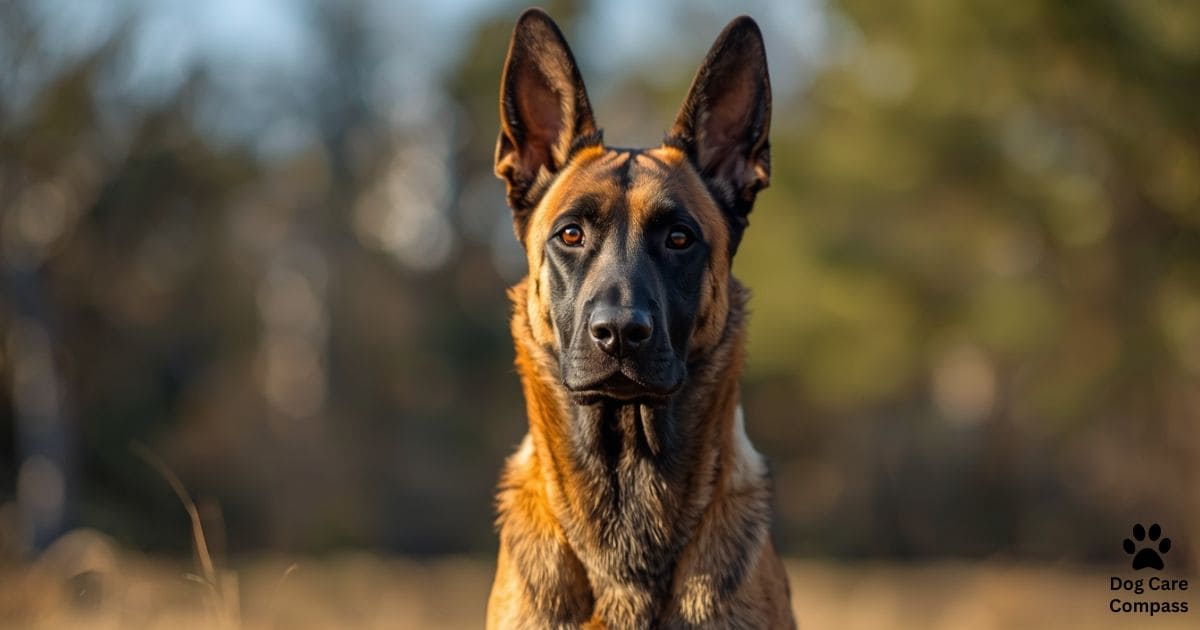
They are lean, athletic, muscular dogs. A Malinois at the lower end of the weight range may look completely healthy and well-muscled. A Malinois at the higher end may carry excess weight that is invisible under their short coat.
Body condition score — a visual and tactile assessment of fat coverage over ribs, spine, and hip bones — tells you more about a Malinois’s actual condition than the scale alone.
The breed standard describes a dog that is elegant, square, and well-muscled — not heavy or bulky. A Malinois that looks like a thick, heavy dog has likely moved outside its healthy weight range.
Growth Stages in Detail
Birth to 8 Weeks — Neonatal and Transitional
Puppies depend entirely on their mother for nutrition during this period.
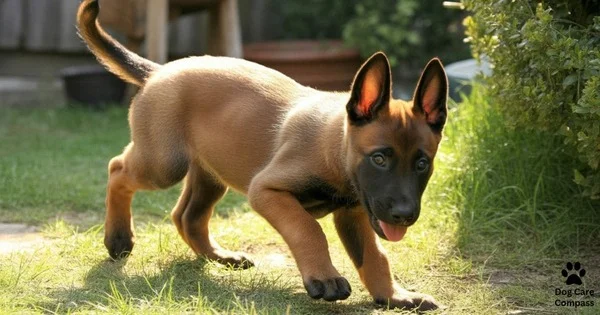
Birth weight for Malinois puppies is typically 8 to 16 ounces. By 8 weeks — the standard age for rehoming — puppies should have grown to 8 to 12 pounds for males and 6 to 10 pounds for females.
Significant variation within a litter is normal. The smallest puppy at 8 weeks is not necessarily going to be the smallest adult.
8 Weeks to 4 Months — Rapid Early Growth
This is the fastest growth phase of a Malinois’s life.
Puppies roughly double their weight during this period. Nutritional support during this phase directly influences musculoskeletal development — both the quality of bone formation and the foundation of muscle development.
For Malinois puppies specifically — a high-quality diet appropriate for large breed puppies supports this rapid growth without pushing it too fast. Our Malinois puppy nutrition guide covers the dietary requirements during this critical window.
4 to 6 Months — Adolescent Growth Continues
Growth rate slows slightly but remains significant.
This is often the phase where Malinois puppies look gangly — long-legged, slightly uncoordinated, with a head that seems too large for their body. This is completely normal.
Exercise during this phase requires careful management. Growth plates — the cartilaginous ends of developing bones — are still open and vulnerable to damage from high-impact activity. No jumping, no running on hard surfaces, no forced exercise beyond natural play.
6 to 12 Months — Adolescence
Physical growth continues but at a noticeably slower pace.
This is the hormonal phase — the adolescent Malinois is testing limits, showing increased drive, and often appearing simultaneously more physically impressive and more behaviorally challenging than at any previous stage.
Weight gain during this phase should be gradual and consistent. Rapid weight gain suggests overfeeding. Failure to gain suggests either insufficient calories or a health issue worth investigating.
12 to 18 Months — Approaching Maturity
Most Malinois reach approximately 90% of their adult weight by 12 months.
The remaining development between 12 and 18 months is primarily muscle maturation and structural refinement rather than significant weight gain. The dog fills out — shoulders broaden, chest deepens, musculature becomes more defined.
18 to 24 Months — Full Physical Maturity
Growth plates close. The dog reaches adult structural maturity.
Weight should stabilize within the adult range. A Malinois that continues gaining weight beyond 24 months without increased muscle development is likely gaining fat — worth addressing through diet adjustment.
Body Condition Score — More Useful Than Weight Alone
The body condition score (BCS) is a 1 to 9 scale used by veterinarians to assess fat coverage.
| Score | Description | Action |
|---|---|---|
| 1–3 | Underweight | Increase calories — vet check |
| 4–5 | Ideal | Maintain current feeding |
| 6–7 | Overweight | Reduce calories, increase exercise |
| 8–9 | Obese | Vet-guided weight loss program |
How to assess your Malinois at home:
Run your hands along your dog’s ribcage. You should feel the ribs easily with light pressure — like the back of your hand. If you have to press hard to feel them — the dog is carrying excess weight. If they protrude visibly — the dog is underweight.
Look at the dog from above. A healthy Malinois should show a visible waist — a narrowing between the chest and hips. No visible waist suggests excess weight.
Look from the side. A slight abdominal tuck — the belly line rising toward the hindquarters — is correct. A barrel shape or pendulous belly indicates excess weight.
Why Belgian Malinois Are Often Mistaken for Underweight
Malinois have a naturally lean, athletic build that owners from other breed backgrounds sometimes misread as underweight.
Their short, tight coat offers no visual padding. Their musculature is visible and prominent. Their waist is pronounced.
A Malinois at a healthy body condition score often looks leaner than owners expect — particularly owners who have previously kept heavier breeds.
If your Malinois’s ribs are easily felt but not visibly prominent, there is a clear waist from above, and the dog has good energy and coat condition — they are almost certainly at an appropriate weight regardless of how lean they appear.
Underweight Belgian Malinois — Causes and Solutions
A Malinois consistently below the expected weight range may be experiencing:
- Insufficient caloric intake for their activity level
- Intestinal parasites reducing nutrient absorption
- Exocrine pancreatic insufficiency — inability to digest food normally
- Inflammatory bowel disease
- Food allergies causing malabsorption
- Dental pain making eating uncomfortable
A Malinois that eats well but remains thin despite adequate calories warrants veterinary investigation — particularly for EPI, which is more common in working breeds.
Overweight Belgian Malinois — Causes and Solutions
Obesity in Malinois is less common than in many breeds — their high activity level typically prevents significant weight gain.
When it does occur — the causes are:
- Insufficient daily exercise for caloric intake
- Overfeeding — particularly after neutering, when metabolic rate decreases
- Too many treats relative to meal reduction
- Age-related activity decrease without corresponding dietary adjustment
- Medical conditions including hypothyroidism
A Malinois carrying excess weight is at higher risk for joint problems — particularly relevant given the breed’s intense physical activity. Reducing caloric intake and maintaining vigorous daily exercise is the standard approach.
Exercise and Weight — The Malinois Equation
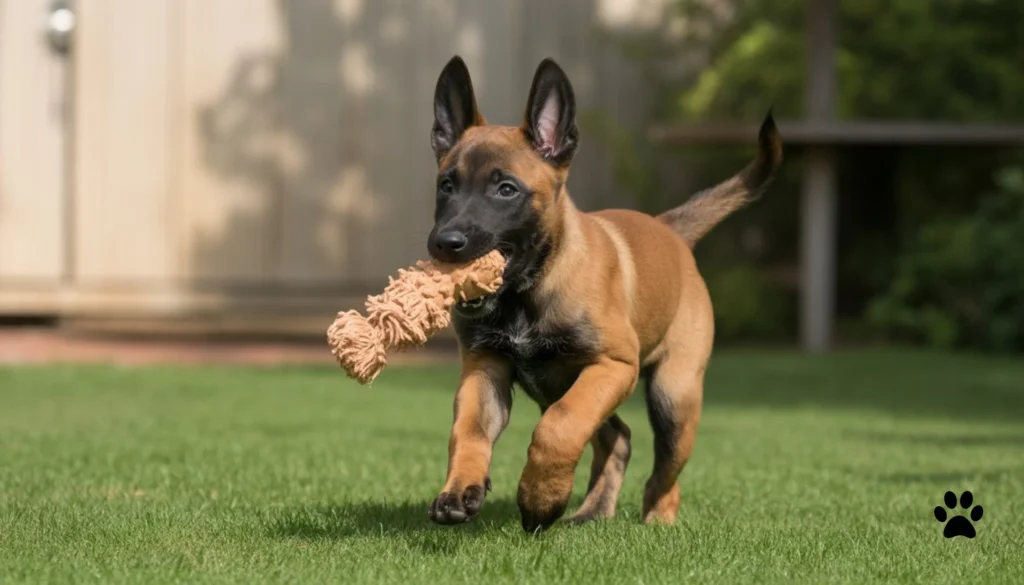
Belgian Malinois are working dogs. Their weight management is inseparable from their exercise management.
A Malinois receiving 90 minutes to 2 hours of vigorous daily activity — running, fetch, training, agility — maintains appropriate weight with minimal dietary micromanagement.
A Malinois that is under-exercised gains weight and simultaneously develops the behavioral problems that come with unspent drive. Weight management for this breed is fundamentally an exercise management question as much as a dietary one.
The behavioral consequences of under-exercising a Malinois — including the anxiety responses we covered in our Malinois separation anxiety guide — and the weight consequences are two sides of the same coin.
Neutering and Weight — Important Consideration
Neutering significantly affects metabolism in Belgian Malinois.
A neutered Malinois typically requires 20 to 30% fewer calories than an intact dog of the same size and activity level to maintain appropriate weight.
Owners who neuter their Malinois and do not reduce food intake accordingly often see gradual weight gain over the following six to twelve months.
Adjust portions downward after neutering and monitor body condition score monthly for the first year.
Feeding Guidelines by Weight and Age
These are starting points — individual dogs vary significantly based on activity level.
| Age | Daily Calories (Approx.) |
|---|---|
| 8–12 weeks | 600–900 kcal |
| 3–6 months | 1000–1400 kcal |
| 6–12 months | 1300–1800 kcal |
| Adult — active | 1400–1800 kcal |
| Adult — very active | 1800–2200 kcal |
| Senior | 1200–1500 kcal |
Divide daily calories into two to three meals. Malinois that eat one large daily meal are at higher risk for digestive issues — including the bloat risk that affects all deep-chested breeds.
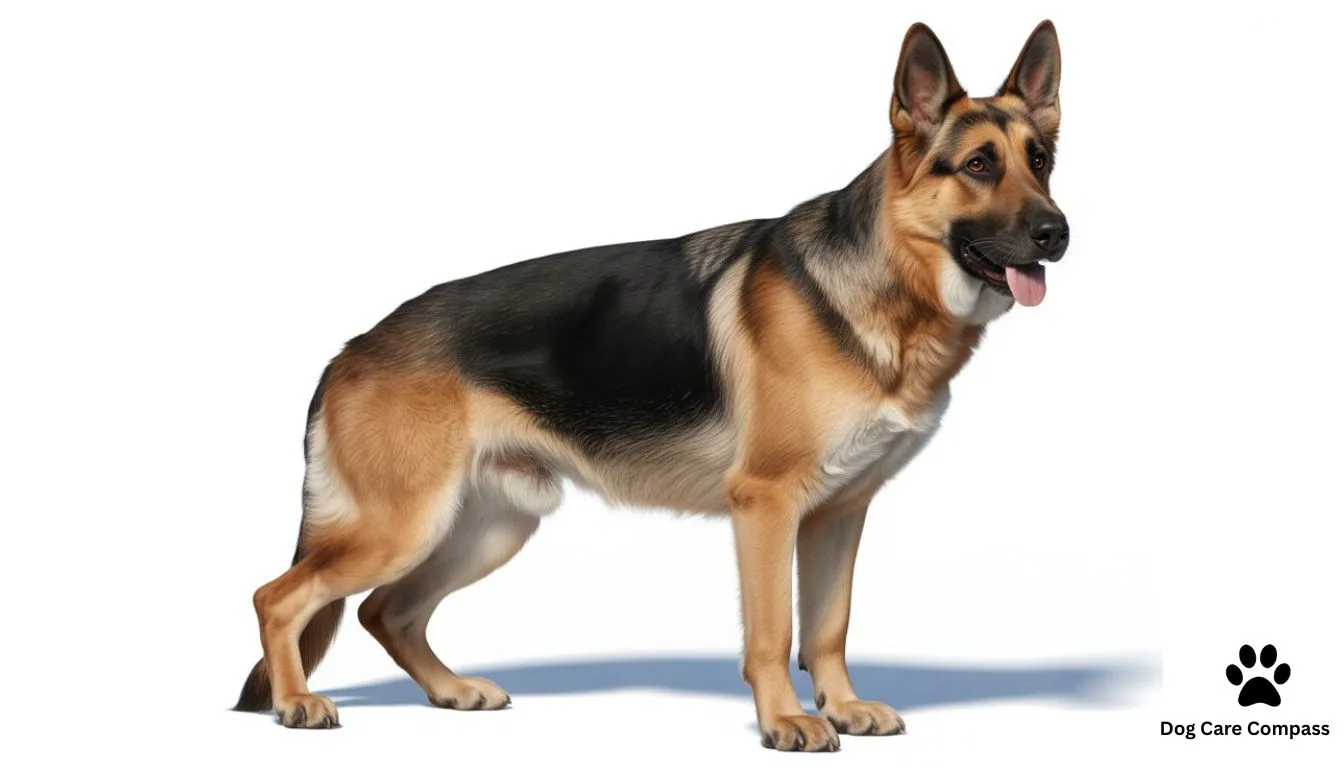
Comparison — Belgian Malinois vs German Shepherd Weight
Owners sometimes confuse these breeds or compare them — understanding the weight difference helps.
| Metric | Belgian Malinois | German Shepherd |
|---|---|---|
| Adult male weight | 60–80 lbs | 65–90 lbs |
| Adult female weight | 40–60 lbs | 50–70 lbs |
| Build | Lean, athletic | Broader, heavier |
| Growth completion | 18–24 months | 18–24 months |
Malinois are typically leaner and lighter than German Shepherds of the same height — their build is more finely constructed and less substantial in bone density.
Both breeds share similar growth timelines and the same growth plate considerations for exercise management during puppyhood.
Frequently Asked Questions
At what age is a Belgian Malinois fully grown?
Most Belgian Malinois reach adult height by 12 months and full physical maturity — including muscle development and structural refinement — by 18 to 24 months.
My Malinois is smaller than the weight chart — is something wrong?
Not necessarily. Individual variation is significant. Check body condition score — if ribs are easily felt but not prominent, waist is visible, and energy is good — the dog is likely healthy regardless of being below the average weight range.
Can Belgian Malinois be overweight?
Yes — though it is less common than in many breeds. A Malinois that has lost their visible waist and where ribs require firm pressure to feel is carrying excess weight that affects joint health and longevity.
Should I free-feed my Malinois?
No. Scheduled meals — two to three times daily — allow monitoring of appetite changes that can signal health issues. They also support weight management more effectively than free-feeding.
How much should a 6-month-old Malinois weigh?
A 6-month-old male should weigh approximately 35 to 50 pounds. A 6-month-old female should weigh approximately 28 to 40 pounds. These are ranges — individual dogs may fall slightly outside without it being concerning.
Do Belgian Malinois lose weight in summer?
Some do — reduced appetite in heat combined with increased fluid loss through panting can produce minor summer weight fluctuation. Monitor water intake and ensure adequate hydration. Significant weight loss in summer warrants a vet check.
Final Summary
- Adult male Malinois: 60 to 80 pounds. Adult female: 40 to 60 pounds
- Growth is rapid in the first 6 months — slows progressively until maturity at 18 to 24 months
- Body condition score is more informative than weight alone for this lean breed
- Ribs easily felt but not visible, clear waist from above — correct condition
- Neutered Malinois need 20 to 30% fewer calories to maintain appropriate weight
- Exercise management is inseparable from weight management in this breed
- Growth plates close around 18 months — avoid high-impact exercise before this
Do this today: Run your hands along your Malinois’s ribcage. Can you feel each rib easily with light pressure? Look at them from above — is there a clear waist? If yes to both — your dog is at an appropriate weight regardless of where they fall on the chart.
For more Belgian Malinois guides, explore the complete library at dogcarecompass.com.

- How to Stop a Dog From Eating Poop: 9 Home Remedies That Work - July 21, 2026
- Is Blue Buffalo Good Dog Food? Honest Review After Testing - July 12, 2026
- Can Dogs Eat Wood Apple, Lotus Root & Chayote Squash? (Exotic Fruits Guide) - July 4, 2026