Can Dogs Eat Jackfruit? Everything You Need to Know Before Sharing
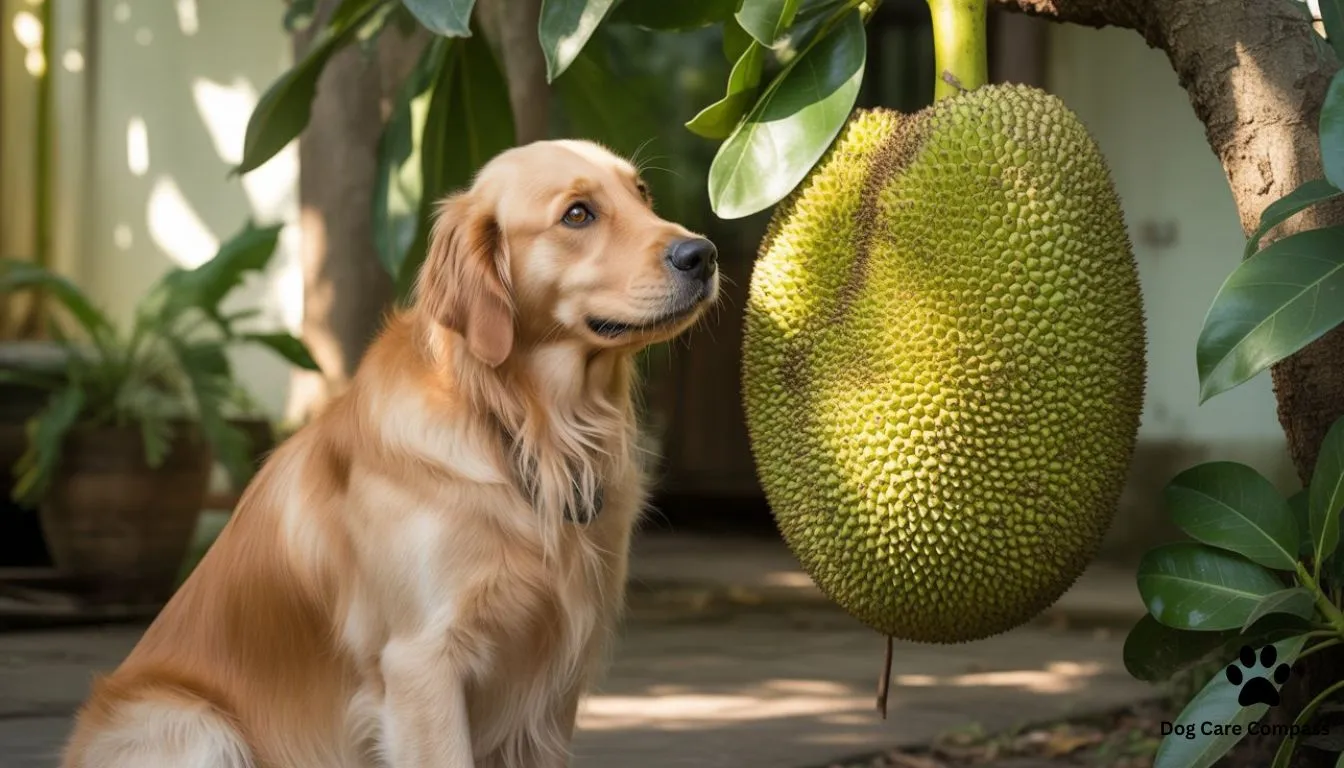
My neighbor grows a jackfruit tree in his backyard — and last summer, one of the massive fruits split open and fell near the fence. Before I could do anything, my dog was already there, nose buried deep into the sweet yellow flesh.
That five-second moment sent me straight to every veterinary resource I could find about jackfruit and dogs — and what I discovered was more complicated than I expected.
Can dogs eat jackfruit? Yes — the flesh of ripe jackfruit is not classified as toxic to dogs and can be offered in small amounts. However, the seeds are genuinely dangerous, the latex sap poses real risks, the rind is a serious choking and blockage hazard, and the extremely high sugar content means even the “safe” part requires strict portion control.
Quick Answer
| Question | Answer |
|---|---|
| Is jackfruit safe for dogs? | Yes — flesh only, small amounts |
| Is it toxic? | Seeds — yes, toxic. Flesh — not classified as toxic |
| Can dogs eat the seeds? | No — toxic and choking hazard |
| Can dogs eat the rind? | No — blockage and choking hazard |
| Can dogs eat the latex sap? | No — irritating and potentially harmful |
| Safe for puppies? | Not recommended |
| Can dogs eat canned jackfruit? | Only in water — never in syrup |
What Is Jackfruit?
Jackfruit (Artocarpus heterophyllus) is the largest tree fruit in the world — a single fruit can weigh up to 35 kilograms. It is native to South and Southeast Asia and is now grown widely across tropical regions including India, Bangladesh, Sri Lanka, Thailand, and parts of Africa and South America.
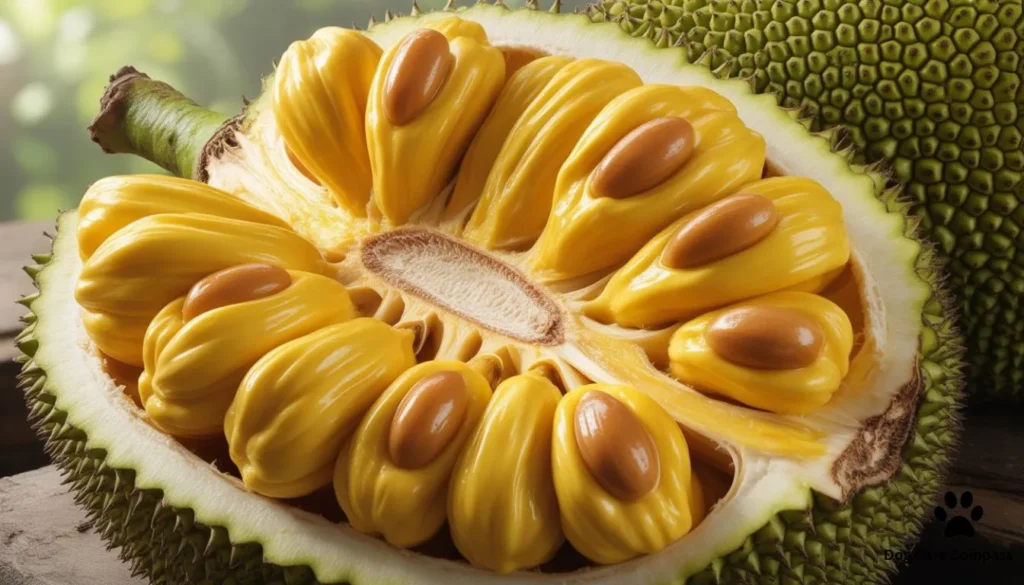
The outer skin is thick, spiky, and green. Inside is a dense mass of sweet yellow flesh pods surrounding large oval seeds, all held together by stringy fiber and a sticky white latex sap. When ripe, jackfruit is intensely sweet and fruity — sometimes described as a combination of mango, pineapple, and banana. Unripe jackfruit is starchy and mild — widely used as a meat substitute in vegetarian cooking.
Nutritionally, jackfruit is rich in vitamin C, vitamin A, vitamin B6, potassium, magnesium, and antioxidants. It has been cultivated and consumed for thousands of years across Asia and holds an important place in traditional medicine systems.
Nutritional Profile of Jackfruit (Per 100g)
| Nutrient | Amount |
|---|---|
| Calories | 95 kcal |
| Carbohydrates | 23.2g |
| Natural Sugar | 19.1g |
| Dietary Fiber | 1.5g |
| Protein | 1.7g |
| Fat | 0.6g |
| Vitamin C | 13.8mg |
| Vitamin A | 110 IU |
| Potassium | 448mg |
| Magnesium | 29mg |
The sugar content at 19.1g per 100g is the most important number for dog owners. This is significantly higher than guava, papaya, or dragon fruit — and it places jackfruit firmly in the “strict moderation only” category even before considering the other risks.
The potassium at 448mg per 100g is meaningfully high — relevant for dogs with kidney disease who need to manage electrolyte intake carefully.
Is Jackfruit Safe for Dogs?
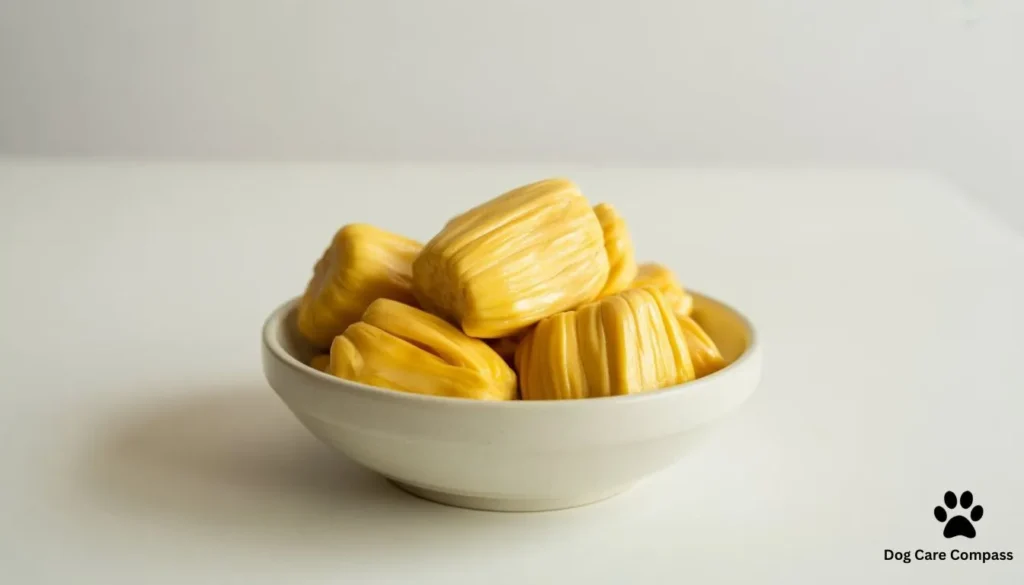
Jackfruit flesh is not listed as toxic to dogs by major veterinary authorities when prepared properly — meaning seeds removed, rind removed, and latex avoided.
The flesh, in very small amounts, is not harmful to healthy adult dogs.
The serious concerns come from the other parts of the fruit. The seeds contain lectins and trypsin inhibitors — compounds that interfere with digestion and are considered toxic to dogs. The rind is physically dangerous. The latex sap that runs through the fruit can cause skin irritation and digestive discomfort — particularly in dogs with sensitive skin conditions.
The combination of very high sugar content, genuine seed toxicity, latex sap hazards, and rind obstruction risk makes jackfruit one of the more complicated fruits to prepare safely for dogs.
Potential Benefits of Jackfruit for Dogs
Vitamin C and Immune Support
At 13.8mg of vitamin C per 100g, jackfruit provides a meaningful antioxidant contribution.
Vitamin C supports immune function, reduces inflammation, and helps neutralize free radicals. While dogs can synthesize their own vitamin C — unlike humans — additional dietary sources are not harmful and may offer mild support for senior dogs or those under stress.
Vitamin A for Skin and Vision
110 IU of vitamin A per 100g supports skin health, coat condition, and eye function in dogs.
This is not a dramatic amount — but it contributes to the overall nutritional picture of jackfruit as a fruit with genuine micronutrient value, not just empty sugar.
Potassium for Muscle and Heart Function
448mg of potassium per 100g is a significant amount.
Potassium supports proper muscle contraction, nerve function, and heart rhythm. For healthy adult dogs, this is a beneficial mineral. For dogs with kidney disease — the same high potassium content becomes a reason to avoid jackfruit entirely.
Antioxidants Support Cellular Health
Jackfruit contains flavonoids, carotenoids, and phenolic compounds with antioxidant activity.
These compounds reduce oxidative stress — relevant for aging dogs where cellular damage accumulates over time. The antioxidant profile is comparable to other tropical fruits like papaya and guava.
Real Risks of Feeding Jackfruit to Dogs
Seeds Are Toxic — The Most Important Risk
This is the most critical point in this entire guide.
Jackfruit seeds contain lectins and trypsin inhibitors — compounds that are genuinely toxic to dogs. Lectins can damage red blood cells and disrupt normal cell function. Trypsin inhibitors block protein digestion enzymes, leading to significant gastrointestinal distress.
Beyond toxicity, the seeds are large, hard, and numerous — presenting a serious choking hazard and intestinal obstruction risk if swallowed.
If your dog eats jackfruit seeds — do not wait for symptoms. Contact your veterinarian or a pet poison hotline immediately.
The Rind Is a Blockage Hazard
The outer skin of jackfruit is extremely thick, tough, and fibrous — almost impossible for a dog’s digestive system to process.
If swallowed, pieces of rind can become lodged in the esophagus or intestinal tract. The rough, spiky texture of the outer surface can also cause cuts inside the mouth and gastrointestinal tract. This is a genuine medical emergency risk.
Never give a dog access to jackfruit rind under any circumstances.
Latex Sap Causes Irritation
Running through the flesh and surrounding the pods is a sticky white latex sap.
This sap can cause digestive discomfort and inflammation in dogs — particularly those with sensitive digestive systems or skin conditions like eczema. Exposure to the sap during preparation can also irritate the hands — the same reaction can occur in a dog’s mouth and digestive tract.
When preparing jackfruit for a dog, rinse the flesh thoroughly to remove as much latex residue as possible.
Very High Sugar Content
At 19.1g of natural sugar per 100g, jackfruit has one of the highest sugar contents among commonly fed fruits.
For dogs, excessive sugar leads to weight gain, blood sugar spikes, dental problems, and long-term metabolic issues. Even in small portions, the sugar load from jackfruit is meaningful compared to lower-sugar options like jicama or cucumber.
Dogs with diabetes, obesity, or metabolic conditions should avoid jackfruit entirely.
Allergic Reactions Are Possible
Some dogs develop allergic reactions to jackfruit — particularly dogs that already have food sensitivities or skin allergies.
Signs of an allergic reaction include itching, facial swelling, hives, vomiting, or difficulty breathing. Jackfruit belongs to the same family as figs and mulberries — dogs with known sensitivities to these fruits carry elevated risk.
Always introduce jackfruit for the first time in a very small amount and observe carefully for 48 hours.
Prepared Jackfruit Dishes — Hidden Danger
Canned jackfruit in syrup, dried jackfruit chips, and cooked jackfruit dishes often contain ingredients that are dangerous to dogs — including onion, garlic, salt, and added sugars.
Only ever feed a dog fresh, plain jackfruit flesh — seeds and rind completely removed. Never feed dishes that contain jackfruit as an ingredient.
Which Dogs Should Avoid Jackfruit
- Dogs with diabetes — very high sugar content
- Dogs with obesity — high caloric sugar load
- Dogs with kidney disease — high potassium
- Dogs with pancreatitis — introduce with caution
- Puppies — digestive systems not ready for high sugar tropical fruits
- Dogs with known food allergies or skin sensitivities — latex and lectin risk
- Dogs with current digestive upset — avoid until fully recovered
How to Safely Prepare Jackfruit for Dogs

- Choose a ripe jackfruit — the skin should yield slightly when pressed and smell sweet
- Cut the fruit open on a surface covered with newspaper or foil — the latex sap stains
- Pull apart the flesh pods — they should separate easily from the stringy core
- Remove every seed completely — inspect each flesh pod carefully
- Rinse the flesh pods under water to remove latex residue
- Remove any remaining rind or stringy core material
- Cut into small, bite-sized pieces
- Offer one small piece first — observe for 24 to 48 hours before offering again
- Serve plain — no seasoning, no sweeteners, no other ingredients
How Much Jackfruit Can Dogs Eat?
Given the high sugar content and seed toxicity risk — portions must be very small and preparation must be exact.
| Dog Size | Weight | Maximum Amount |
|---|---|---|
| Small | Under 10 lbs | 1 small piece (thumbnail size) — rarely |
| Medium | 10–50 lbs | 2–3 small pieces — occasionally |
| Large | 50+ lbs | 4–5 small pieces — occasionally |
“Occasionally” means once or twice a week at most — not a daily treat. Given the sugar content, less frequent is always better.
Jackfruit vs Other Safe Fruits for Dogs
| Fruit | Safe? | Sugar | Fat | Main Risk | Verdict |
|---|---|---|---|---|---|
| Jackfruit | Caution | 19.1g | 0.6g | Toxic seeds, high sugar | Small flesh only |
| Guava | Yes | 8.9g | 0.9g | Seeds (remove) | Good option |
| Dragon fruit | Yes | 8g | 0.4g | None significant | Good option |
| Papaya | Yes | 7.8g | 0.1g | Seeds (remove) | Good option |
| Watermelon | Yes | 6.2g | 0.2g | Seeds, rind | Good option |
| Jicama | Yes | 1.8g | 0.1g | None | Excellent |
| Mango | Yes | 13.7g | 0.4g | Pit (remove) | Good in moderation |
| Durian | Caution | 27g | 5.3g | Very high sugar/fat | Rarely, small amounts |
Jackfruit’s sugar content is higher than most commonly fed fruits. If the goal is a nutritious tropical treat for a dog — guava and dragon fruit both deliver antioxidants and vitamins with far less sugar and without the seed toxicity concern.
What to Do If Your Dog Eats Jackfruit
If your dog ate only the flesh — no seeds, no rind: Monitor for digestive upset over 24 to 48 hours. Loose stools or gas from the sugar and fiber is possible. Ensure fresh water is available. Most dogs recover without intervention.
If your dog ate jackfruit seeds: Do not wait for symptoms. Contact your veterinarian or a pet poison helpline immediately. Seed toxicity from lectins can cause serious harm and requires professional assessment.
If your dog swallowed rind pieces: Contact your vet promptly. Rind fragments can cause intestinal blockage — a medical emergency that may require imaging and intervention.
Frequently Asked Questions
Can dogs eat canned jackfruit?
Only canned jackfruit packed in water — never in syrup. Rinse thoroughly before serving to remove excess sodium. Jackfruit canned in syrup contains concentrated sugar levels that are not safe for dogs.
Can dogs eat unripe jackfruit?
Unripe jackfruit is starchy and less sweet — it is lower in sugar than ripe jackfruit. The same preparation rules apply — seeds and rind must be removed. Unripe jackfruit is harder to digest and may cause more gas and bloating than the ripe version.
Can dogs eat cooked jackfruit?
Plain steamed or baked jackfruit — no seasonings, no oil — is easier for dogs to digest than raw. The same rules apply: seeds completely removed, rind avoided. Never feed jackfruit that has been cooked with onion, garlic, salt, or spices.
Can dogs eat dried jackfruit or jackfruit chips?
No. Dried jackfruit concentrates the sugar dramatically and almost always contains added sweeteners, preservatives, or spices. It is not a safe option for dogs.
My dog licked the jackfruit sap — should I worry?
A small amount of latex sap contact is unlikely to cause serious harm in most dogs. Watch for signs of mouth irritation, drooling, or digestive upset. If your dog has known skin sensitivities, contact your vet for guidance.
Is jackfruit safe for dogs with diabetes?
No. The very high natural sugar content makes jackfruit an inappropriate choice for diabetic dogs. Choose low-sugar alternatives like jicama or cucumber instead.
Final Summary
- Jackfruit flesh is not classified as toxic — but the seeds are genuinely dangerous
- Seeds contain lectins and trypsin inhibitors — remove every single seed before serving
- The rind is a serious choking and intestinal blockage hazard — never allow access to it
- The latex sap causes irritation — rinse flesh thoroughly before serving
- Sugar content at 19.1g per 100g is very high — strict portion control is essential
- Dogs with diabetes, obesity, or kidney disease should avoid jackfruit entirely
- Puppies and small breeds should not be given jackfruit
- If seeds were consumed — contact your vet immediately, do not wait for symptoms
- Guava and dragon fruit are safer, lower-sugar alternatives with similar nutritional benefits

- How to Stop a Dog From Eating Poop: 9 Home Remedies That Work - July 21, 2026
- Is Blue Buffalo Good Dog Food? Honest Review After Testing - July 12, 2026
- Can Dogs Eat Wood Apple, Lotus Root & Chayote Squash? (Exotic Fruits Guide) - July 4, 2026