Dog Scooting on Floor: Real Causes, Home Remedies, and When to See a Vet
If you have watched your dog drag their backside across your carpet and wondered what on earth is happening — you are in good company.
Scooting is one of those behaviors that makes owners simultaneously concerned and mortified, especially when it happens in front of guests.
The behavior always has a cause. Understanding which cause is driving it determines the right response — because the fix for anal gland issues is completely different from the fix for allergies or parasites.
Why is my dog scooting on the floor? Dogs scoot because something is causing discomfort in the anal area. The most common causes are full or impacted anal glands, allergies, intestinal parasites, skin irritation, or remnants of feces causing discomfort. Most cases are manageable — some require veterinary attention.
Quick Answer
| Cause | How Common | Fix |
|---|---|---|
| Full anal glands | Very common | Manual expression — vet or groomer |
| Allergies | Common | Diet or environment change |
| Intestinal parasites | Common | Deworming treatment |
| Skin irritation | Moderate | Cleaning and allergy management |
| Fecal remnants | Common | Grooming and diet |
| Infection or abscess | Less common | Vet treatment required |
| Rectal prolapse | Rare | Emergency vet |
What Is Scooting?
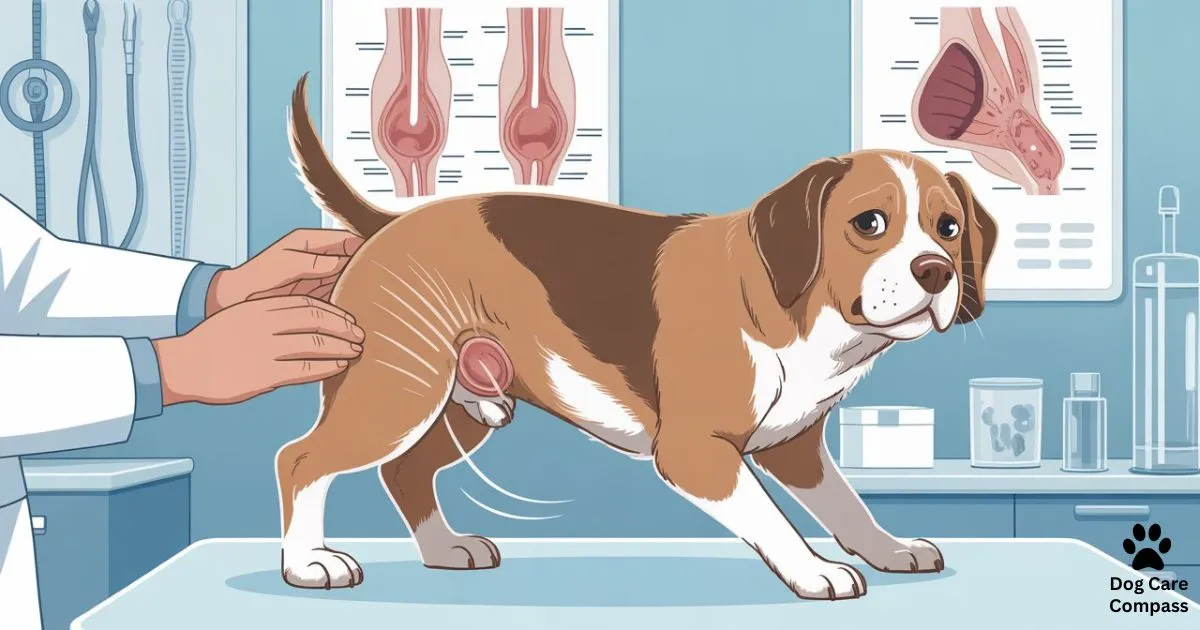
Scooting is when a dog sits on the floor and drags their hindquarters forward — using the friction to scratch or relieve discomfort in the anal area.
It looks unusual. It is always communicating something.
A dog that scoots once after a bowel movement may simply have leftover fecal material causing irritation. A dog that scoots repeatedly, obsessively, or with visible distress has a condition that needs addressing.
7 Real Causes of Dog Scooting
1. Full or Impacted Anal Glands — Most Common
This is the cause behind the majority of scooting cases.
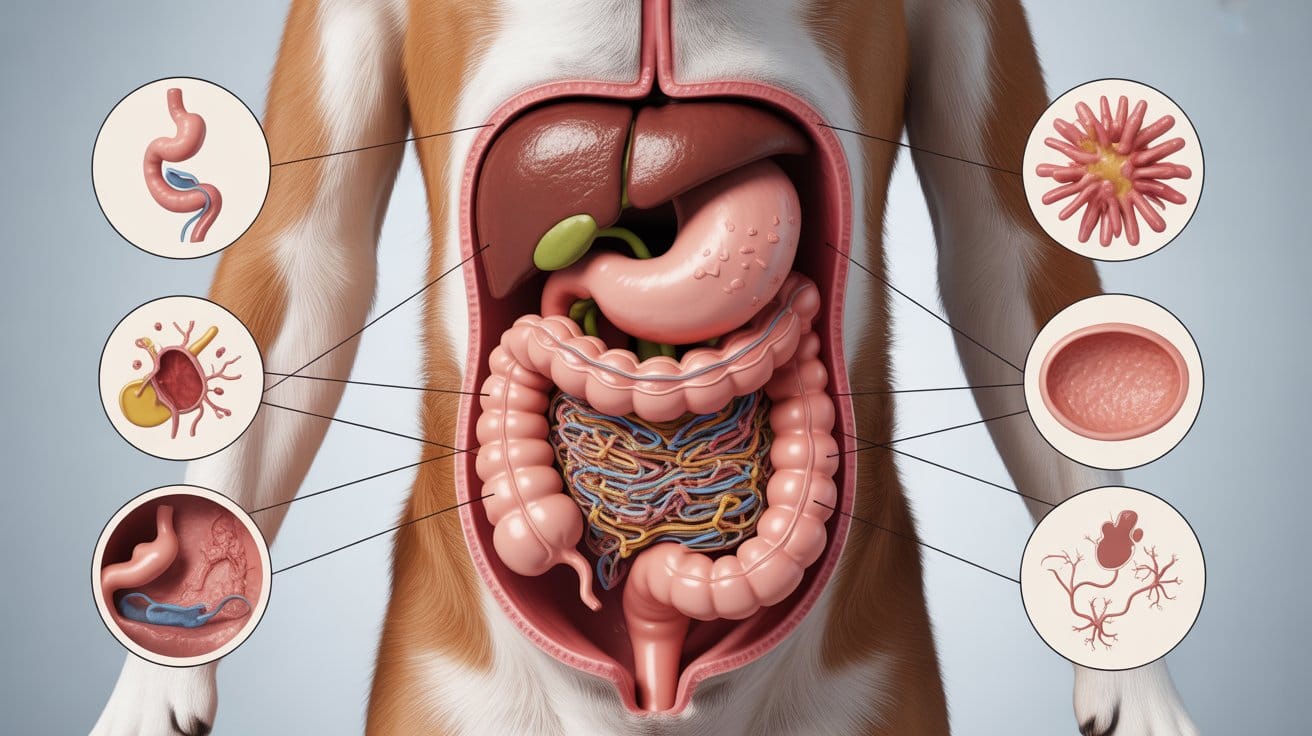
Dogs have two small anal glands — also called anal sacs — located on either side of the anus at roughly the 4 o’clock and 8 o’clock positions. These glands produce a strong-smelling secretion used for scent marking and identification.
Normally, these glands empty naturally during bowel movements. When they do not empty properly — due to soft stools, low fiber diet, or anatomical factors — they become full, uncomfortable, and eventually impacted.
A dog with full anal glands scoots to relieve the pressure. Other signs include:
- Licking or biting at the tail base
- A strong fishy odor from the rear
- Visible swelling on either side of the anus
- Difficulty sitting comfortably
Full anal glands require manual expression — either by a vet or a trained groomer. This is not a home procedure for most owners. Attempting to express anal glands incorrectly can cause injury.
2. Allergies — Food or Environmental
Allergies in dogs frequently manifest as skin inflammation — including in the perianal area.
A dog with food allergies or environmental allergens experiences itching and irritation across multiple skin surfaces. The anal area is particularly sensitive and often affected alongside paws, ears, and belly.
Allergy-driven scooting is typically accompanied by other allergy signs — paw licking, ear infections, skin redness, or coat changes.
The same allergy triggers that drive chronic paw licking often drive scooting simultaneously — both are expressions of systemic allergic inflammation rather than isolated local problems.
3. Intestinal Parasites — Worms
Tapeworms specifically cause perianal itching as segments migrate out of the anus.
Owners sometimes notice small white rice-like segments around the anus or in feces — these are tapeworm segments and confirm the diagnosis.
Roundworms and other intestinal parasites cause general digestive discomfort that can manifest as scooting alongside other symptoms — loose stools, weight loss, or a pot-bellied appearance in puppies.
Regular deworming prevents most parasite-related scooting. If you see worm segments — see your vet for appropriate treatment. Over-the-counter dewormers do not treat all types of worms effectively.
4. Skin Irritation and Infection
Bacterial or yeast infections of the perianal skin cause itching and discomfort that drives scooting.
These are more common in dogs with skin folds around the anal area, long-haired breeds where moisture gets trapped, or dogs with compromised immune systems.
Signs of skin infection alongside scooting include visible redness, discharge, or a strong odor that differs from normal anal gland smell.
5. Fecal Remnants — Grooming Issue
Dogs with long fur around the hindquarters can have fecal material caught in the coat after bowel movements.
This causes immediate discomfort and scooting that resolves once the area is cleaned.
This is particularly relevant for long-haired breeds. Regular trimming of fur around the anal area prevents this cause entirely.
6. Anal Gland Abscess or Infection
When anal glands are not expressed and remain impacted, infection can develop. An abscess — a painful pocket of infection — forms and may rupture.
Signs of anal gland abscess:
- Visible swelling on one side of the anus
- Redness and heat in the area
- The dog is in obvious pain when sitting
- Possible discharge or rupture
This requires veterinary treatment — antibiotics, drainage, and pain management. Do not attempt to treat at home.
7. Rectal Prolapse — Rare Emergency
Rectal prolapse — where the inner lining of the rectum protrudes through the anus — causes intense discomfort and scooting.
This is visible as a red, cylindrical protrusion from the anus. It is uncommon but is a veterinary emergency that requires immediate treatment.
If you see any tissue protruding from your dog’s anus — go to a vet immediately.
How to Tell Which Cause It Is
Fishy odor + scooting: Anal glands almost certainly.
Scooting + paw licking + ear issues: Allergies.
White segments visible near anus: Tapeworms.
Scooting immediately after bowel movement: Fecal remnants or anal gland issue.
Scooting + visible swelling near anus: Possible abscess — vet today.
Scooting + red tissue protruding: Emergency — vet immediately.
Home Remedies for Dog Scooting
For Fecal Remnants
Clean the anal area gently with a warm, damp cloth after bowel movements.
Trim fur around the hindquarters if the dog is long-haired — this single grooming step prevents fecal-remnant scooting almost entirely for affected breeds.
For Mild Anal Gland Fullness
Increasing dietary fiber helps firm up stools, which creates more natural pressure on the anal glands during defecation and supports normal gland emptying.
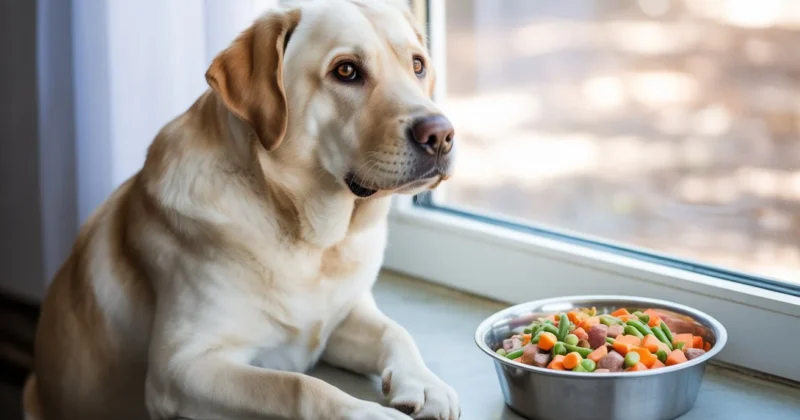
Adding plain canned pumpkin — one to two tablespoons daily for medium dogs — is one of the most consistently effective dietary interventions for anal gland issues. The fiber content supports stool firmness and regularity.
This is the same dietary fiber principle that supports dogs with sensitive stomachs — good gut function and stool quality directly affect anal gland health.
For Allergy-Related Scooting
Address the underlying allergy rather than treating the scooting symptom.
For food allergies — an elimination diet trial of 8 to 12 weeks identifies the trigger. For environmental allergies — reducing exposure and managing the immune response is the long-term approach.
Dogs eating high-quality, whole-food diets tend to show lower allergy-driven inflammation than those eating heavily processed food. The dietary approach that benefits dogs with gut health issues also reduces systemic inflammatory responses that drive allergy symptoms.
Warm Compress for Mild Discomfort
A warm, clean cloth held gently against the anal area for a few minutes provides temporary relief for mild irritation.
This does not address the cause — but reduces the immediate discomfort while you arrange appropriate treatment.
When to See a Vet
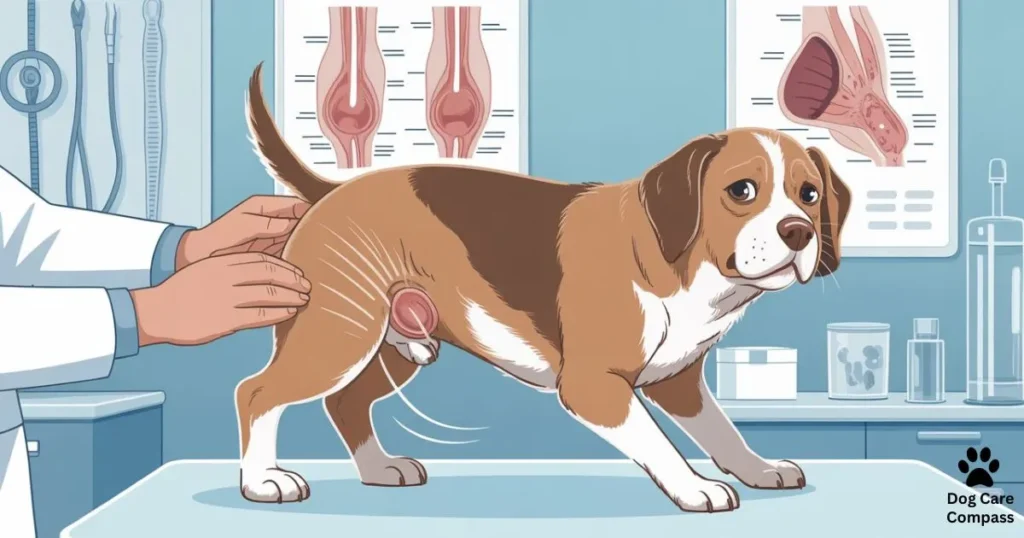
See a vet if:
- Scooting is frequent or obsessive — more than a few times daily
- Visible swelling, redness, or discharge near the anus
- Strong fishy odor that persists after bathing
- Dog is in obvious pain when sitting or defecating
- White segments visible in feces or around anus
- Any tissue protruding from the anus — emergency
- Scooting that persists beyond a week despite home care
Anal Gland Expression — What to Know
If anal glands are the cause — expression is the fix.
Professional expression: A vet or trained groomer can express anal glands safely and effectively. This takes about a minute and provides immediate relief.
How often: Some dogs need expression every 4 to 8 weeks. Others never need it if their glands empty naturally. Frequency depends on the individual dog.
Internal vs external expression: Vets can perform both internal and external expression. External expression is less complete but sufficient for mild fullness. Internal expression is more thorough and appropriate for impacted glands.
Preventive diet: High-fiber diets reduce anal gland problems significantly in dogs prone to them. Firm, well-formed stools naturally express the glands during defecation.
Breed Considerations
German Shepherds
GSDs are not particularly high-risk for anal gland issues — but their size means that when gland problems do occur, the discomfort is significant.
A GSD scooting obsessively is worth having examined promptly — their stoicism means they often mask discomfort until it is significant.
Belgian Malinois
Malinois are active, physical dogs that groom themselves regularly. Scooting in this breed is more likely to have a genuine physical cause than a behavioral one.
Long Hair German Shepherds
Long-haired breeds are at higher risk for fecal-remnant scooting due to coat length around the hindquarters.
Regular trimming of the fur around the anal area is a standard grooming recommendation for this coat type — covered in detail in our long hair GSD guide.
Diet and Anal Gland Health
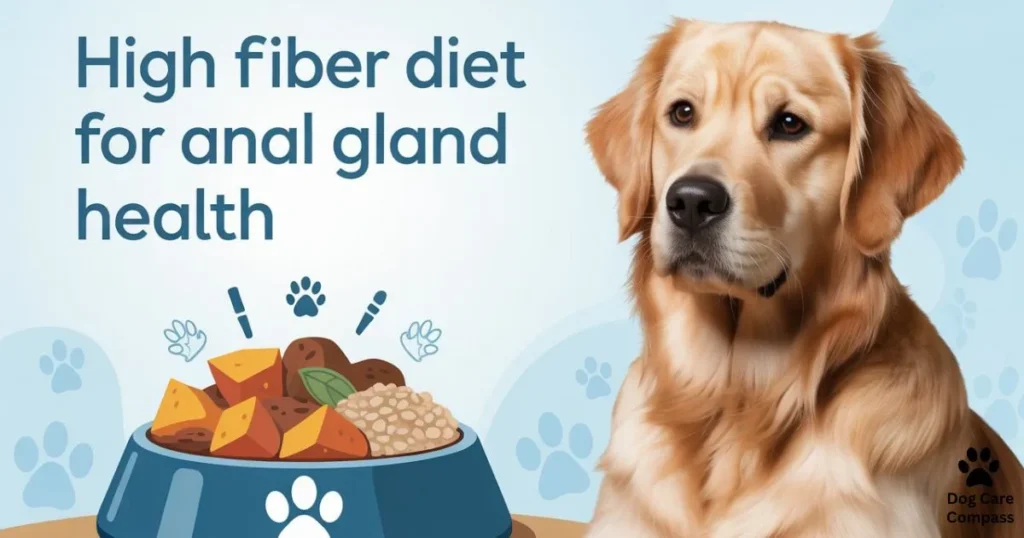
Diet is the most impactful long-term intervention for anal gland problems.
High fiber diet: Firms stools, which creates natural anal gland expression during defecation. Dogs eating fiber-rich whole food diets have fewer anal gland problems than those on low-fiber processed diets.
Adequate hydration: Well-hydrated dogs produce better-formed stools. Homemade food naturally provides higher moisture than dry kibble — one of the practical advantages of whole-food feeding.
Avoiding allergens: For allergy-driven scooting, identifying and removing dietary triggers reduces perianal inflammation significantly.
Dogs managing conditions that affect gut function — including Cushing’s disease — often show secondary anal gland problems as a consequence of altered digestion and stool quality. Addressing the primary condition improves the secondary symptoms.
Frequently Asked Questions
Is scooting always about anal glands?
No — anal glands are the most common cause but not the only one. Allergies, parasites, skin infections, and grooming issues all cause scooting. Identifying the specific cause determines the correct treatment.
Can puppies scoot?
Yes — puppies can have anal gland issues, parasites, and skin irritation just like adult dogs. The same causes apply. Scooting in a puppy with visible worm segments requires immediate deworming treatment.
My dog scoots after every poop — what does this mean?
Post-defecation scooting suggests either fecal remnants in the fur — particularly in long-haired breeds — or anal gland discomfort triggered by the defecation process. Check the coat around the hindquarters and schedule a vet check for anal gland assessment.
Will more fiber really help anal glands?
Yes — for dogs whose glands do not empty naturally due to soft stools. Firmer stools create more pressure on the glands during defecation and support natural emptying. Plain pumpkin, green beans, and high-fiber kibble all contribute to this.
How do I know if my dog’s anal glands are full?
A fishy odor from the rear, scooting, licking at the tail base, and discomfort when sitting are the classic signs. A vet can confirm with a brief examination.
Can I express my dog’s anal glands at home?
Technically yes — but it is not recommended without training. Incorrect expression technique can cause injury or push material deeper into the gland. A vet or professional groomer is the safer choice, especially for the first few times.
Final Summary
- Scooting always has a physical cause — identify it before treating
- Anal gland fullness is the most common cause — professional expression resolves it immediately
- High-fiber diet is the most effective long-term prevention for anal gland issues
- Tapeworms produce visible white segments — require veterinary deworming
- Allergy-driven scooting is accompanied by other allergy signs — treat the allergy, not just the symptom
- Long-haired breeds benefit from regular trimming around the hindquarters
- Visible swelling, discharge, or protruding tissue — see a vet today
- One to two tablespoons of plain pumpkin daily is one of the most practical home interventions for anal gland prone dogs
Do this today: Check the area around your dog’s anus for swelling, redness, or discharge. Note whether there is a fishy odor. If the scooting is recent and mild with no other signs — add plain canned pumpkin to meals for a week and monitor for improvement. If symptoms persist or worsen — book a vet appointment.
For more dog health guides, explore the complete library at dogcarecompass.com.

- How to Stop a Dog From Eating Poop: 9 Home Remedies That Work - July 21, 2026
- Is Blue Buffalo Good Dog Food? Honest Review After Testing - July 12, 2026
- Can Dogs Eat Wood Apple, Lotus Root & Chayote Squash? (Exotic Fruits Guide) - July 4, 2026