German Shepherd Not Eating: Causes, Solutions, and When to See a Vet
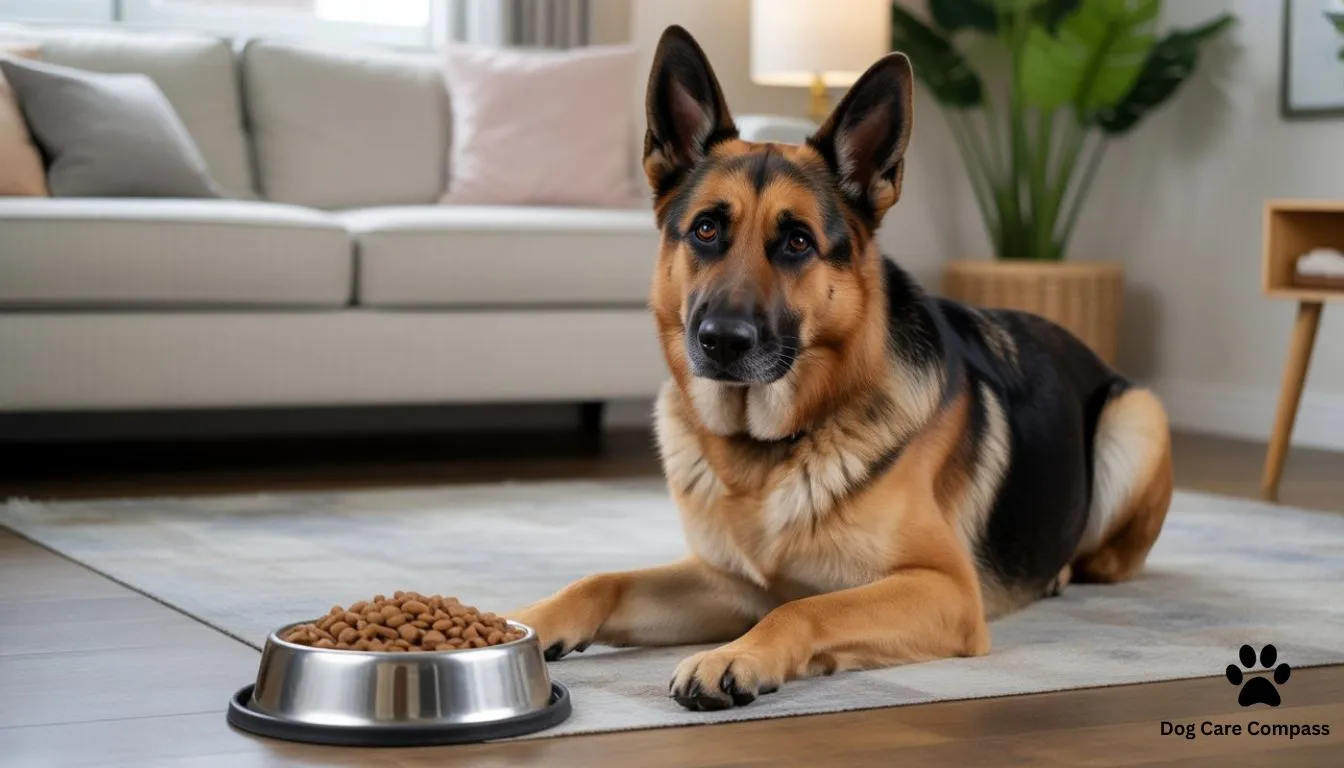
The food bowl sitting untouched is one of the most unsettling things a German Shepherd owner can see.
GSDs are typically enthusiastic eaters. When that enthusiasm disappears — even for one meal — it gets attention. When it continues for a second and third meal, the worry becomes genuine.
Loss of appetite in German Shepherds has many causes — most of them manageable, some of them urgent. Knowing the difference is what this guide is for.
Why is my German Shepherd not eating? GSDs stop eating due to stress, illness, food issues, pain, environmental changes, or behavioral reasons. Duration and accompanying symptoms determine whether the cause is minor or requires immediate veterinary attention.
Quick Answer
| Duration | Action |
|---|---|
| Skipped 1 meal — acting normal | Monitor for 24 hours |
| Not eating 24-48 hours | Call your vet |
| Not eating + vomiting or lethargy | See vet today |
| Not eating + bloating or distress | Emergency — go immediately |
| Puppy not eating 12 hours | Call your vet |
Is It Normal for German Shepherds to Skip Meals?
Occasionally — yes.
A healthy adult GSD might skip a meal due to heat, mild stress, or simply not being hungry. This is normal and not concerning on its own.
What is not normal is a GSD that refuses multiple consecutive meals, shows other symptoms alongside the appetite loss, or has previously been an enthusiastic eater and suddenly stops without obvious reason.
The pattern matters more than a single skipped meal.
10 Real Reasons Your German Shepherd Is Not Eating
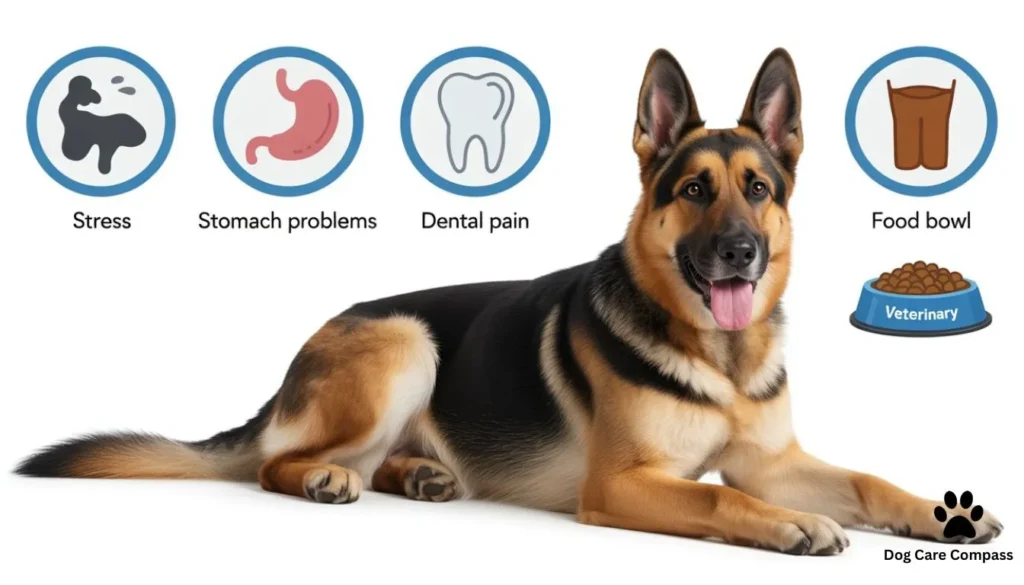
1. Stress or Anxiety
This is the most common non-medical cause of appetite loss in GSDs.
German Shepherds are emotionally sensitive dogs. Major changes — a house move, a new family member, a change in the owner’s schedule, loss of a companion animal — can suppress appetite significantly.
A GSD dealing with separation anxiety often shows reduced appetite alongside the behavioral symptoms — particularly refusing to eat when alone.
Stress-related appetite loss typically resolves within two to three days once the stressor is identified and managed.
2. Food Issues
Sometimes the problem is not the dog — it is the food.
Stale kibble, a batch change from the manufacturer, a new formula, or a switch to a different food can all trigger refusal.
Check the food first:
- Smell it — rancid food has a noticeably off odor
- Check the expiry date
- Compare the current bag to the previous one — any visible difference?
A dog that ate enthusiastically last week and suddenly refuses the same food this week often has good reason — the food has changed in some way.
3. Dental Pain
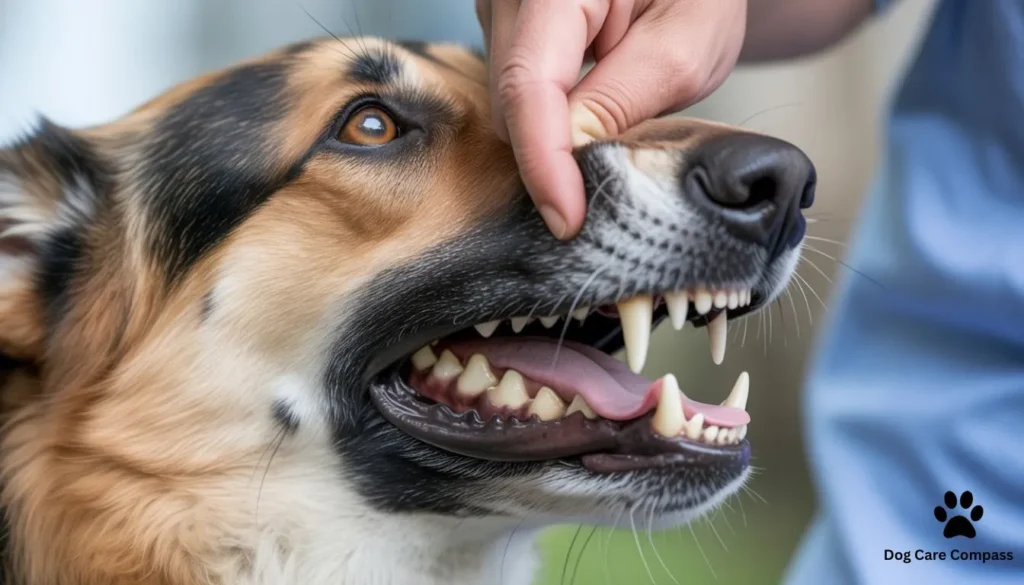
Dental disease is significantly underdiagnosed in dogs.
A GSD with a broken tooth, infected gum, or painful dental condition will often reduce or stop eating because chewing is painful. They may show interest in food — approaching the bowl, sniffing — and then walking away without eating.
Check the mouth carefully. Redness, swelling, broken teeth, or a bad odor from the mouth alongside appetite loss points directly to dental pain.
4. Gastrointestinal Issues
Nausea, an upset stomach, acid reflux, or intestinal discomfort all suppress appetite in GSDs.
A dog that ate something unusual, ate grass excessively, or vomited recently is likely experiencing gastrointestinal discomfort that reduces appetite temporarily.
Mild GI upset typically resolves within 24 to 48 hours with a bland diet. Our sensitive stomach guide covers the dietary approach for GI recovery in detail.
5. Pain From Injury or Illness
Pain anywhere in the body suppresses appetite.
A GSD with a musculoskeletal injury, joint pain, or internal discomfort will often stop eating without showing obvious signs of the pain source. Dogs mask pain effectively — appetite loss is sometimes the first visible indicator.
Check for limping, reluctance to move, changes in posture, or flinching when touched. Our limping guide covers how to assess pain signs that are not always obvious.
6. Illness or Infection
Bacterial infections, viral illness, tick-borne disease, and many other conditions suppress appetite as a primary symptom.
A GSD that stops eating alongside lethargy, fever, vomiting, diarrhea, or any behavioral change is showing a combination of symptoms that warrants veterinary assessment — not home management.
7. Medication Side Effects
If your GSD recently started a new medication — appetite loss is a common side effect of many veterinary drugs including antibiotics, anti-inflammatories, and parasite treatments.
Check the medication information. If appetite loss is listed as a side effect — contact your vet about whether to continue, adjust dose, or manage the symptom.
8. Bloat — Gastric Dilatation-Volvulus
This deserves its own section because it is a life-threatening emergency specific to large deep-chested breeds.
GSD is one of the breeds most prone to bloat — a condition where the stomach fills with gas and rotates, cutting off blood supply to abdominal organs.
A GSD that suddenly stops eating alongside:
- Distended, hard-looking abdomen
- Unproductive retching — trying to vomit without producing anything
- Restlessness and obvious distress
- Drooling excessively
This is a medical emergency. Do not wait. Go to an emergency vet immediately.
9. Heat and High Temperatures
GSDs eat less in hot weather — this is normal thermoregulation.
A GSD that reduces appetite during a heat wave but is otherwise acting normally — drinking water, moving reasonably — is likely responding to temperature rather than illness.
Ensure cool water is always available. Feed during the cooler parts of the day — early morning or evening. Monitor for any additional symptoms.
10. Finicky Behavior — Learned Refusal
Some GSDs learn that refusing food produces more interesting alternatives.
A GSD that was hand-fed, given human food when it refused kibble, or received high-value treats in response to food refusal has learned that refusing food is rewarding.
This behavioral cause is identified by elimination — all medical causes are ruled out, the dog is otherwise healthy, and the refusal pattern coincides with human responses that have rewarded it.
How to Assess Your GSD at Home
Before calling the vet — a quick home assessment gives you useful information:
Step 1 — Observe overall behavior Is the dog acting normally — playing, alert, interested in the environment? Or lethargic, withdrawn, or distressed?
Step 2 — Check for other symptoms Vomiting, diarrhea, excessive drooling, bloated abdomen, or obvious pain are all red flags that change the urgency.
Step 3 — Check the abdomen Gently press on the abdomen. A hard, distended, or painful abdomen alongside food refusal is an emergency.
Step 4 — Check the mouth Look for obvious dental issues — broken teeth, swelling, redness, or bad odor.
Step 5 — Review recent history Any new food, new medication, stressful event, or unusual activity in the last 48 hours?
What to Do When Your GSD Stops Eating
For Mild Cases — First 24 Hours
- Remove the food after 20 minutes — do not leave it down all day
- Offer the next meal at the normal time
- Do not offer human food or treats as replacements — this reinforces refusal
- Ensure fresh water is always available
- Monitor for any additional symptoms
Encourage Eating — Safe Methods
- Warm the food slightly — increases aroma and palatability
- Add a small amount of low-sodium broth to kibble
- Try hand feeding a small amount to assess interest
- Switch to a bland diet — boiled chicken and white rice — for 24 to 48 hours
When to Call the Vet
- No eating for 48 hours in an adult dog
- No eating for 12 hours in a puppy
- Any combination of appetite loss with vomiting, lethargy, or diarrhea
- Suspected bloat — call immediately, do not wait
German Shepherd Puppy Not Eating — Different Rules
GSD puppies have faster metabolisms and smaller energy reserves than adults.
A puppy that skips a meal warrants attention sooner than an adult that skips a meal. The same 48-hour window that applies to adults does not apply to puppies.
Common puppy-specific causes:
- Teething discomfort — painful gums reduce appetite
- Overwhelm in a new home — common in first week
- Vaccination response — mild appetite suppression after vaccines is normal
- Overfeeding — too much food at previous meal
A puppy not eating for more than 12 hours alongside any other symptom — contact your vet.
For GSD puppies specifically — understanding their developmental and nutritional needs helps owners distinguish normal variation from genuine concern. Our GSD puppy temperament guide covers behavioral and physical norms at each developmental stage.
Diet Quality and Long-Term Appetite
A GSD eating a high-quality diet tends to maintain consistent appetite more reliably than one eating heavily processed food.
Poor quality ingredients, artificial additives, and inconsistent formulations all contribute to appetite variability in sensitive breeds like GSDs.
If your GSD regularly shows variable appetite — not acute refusal but ongoing inconsistency — diet quality is worth examining before assuming a behavioral cause.
The nutritional approach for GSDs — from puppyhood through adulthood — is covered in our GSD complete guide.
Bloat Prevention — Critical for GSD Owners
Given the GSD’s predisposition to bloat — prevention is an important part of feeding management.
Evidence-based prevention steps:
- Feed two to three smaller meals rather than one large daily meal
- Do not exercise vigorously within one hour before or after meals
- Use a slow feeder bowl to reduce air swallowing during eating
- Avoid elevated food bowls — research suggests they may increase bloat risk in large breeds
- Know the emergency symptoms — act immediately if they appear
Bloat is the most serious feeding-related emergency in German Shepherds. Every GSD owner should know the symptoms and the response protocol before they ever need it.
Frequently Asked Questions
How long can a German Shepherd go without eating?
A healthy adult GSD can go 24 to 48 hours without eating without serious harm. Beyond 48 hours — veterinary assessment is needed regardless of other symptoms. Puppies should not go beyond 12 hours without eating.
Should I force feed my German Shepherd?
No. Force feeding causes stress and can create negative associations with food. Encourage eating through palatability improvements — warming food, adding broth — rather than physical force.
My GSD eats grass but won’t eat food — what does this mean?
Grass eating alongside food refusal typically indicates nausea or gastrointestinal discomfort. The dog is attempting to self-medicate. Our grass eating guide covers this behavior in detail.
My GSD ate something unusual yesterday and won’t eat today — should I be worried?
Monitor closely. If the dog vomited or had diarrhea after eating the unusual item — a bland diet for 24 hours and monitoring is appropriate. If the dog shows lethargy, bloating, or continuous vomiting — see a vet today.
Can stress from a new puppy cause appetite loss in my GSD?
Yes — this is a documented response. A resident GSD adjusting to a new puppy often shows temporary appetite reduction alongside other behavioral changes. Our jealous dog guide covers managing this adjustment period.
My GSD only refuses food in the morning — why?
Morning food refusal in an otherwise healthy dog often indicates bile reflux — an empty stomach overnight produces excess acid that causes nausea before the first meal. A small snack before bed often resolves this pattern. Discuss with your vet if it persists.
Final Summary
- A single skipped meal in an otherwise normal adult GSD — monitor for 24 hours
- Not eating for 48 hours — call your vet regardless of other symptoms
- Appetite loss with vomiting, lethargy, or diarrhea — see a vet today
- Distended abdomen, unproductive retching, and distress — emergency, go immediately
- Most common non-emergency causes are stress, food issues, mild GI upset, and heat
- Never replace refused food with human food or treats — it reinforces refusal
- Puppies need attention sooner — 12 hours without eating warrants a vet call
- GSD owners should know bloat symptoms before they ever need them
Do this now: If your GSD has skipped a meal — remove the bowl after 20 minutes, offer again at the next normal meal time, and monitor closely for 24 hours. Note any additional symptoms. That information is exactly what your vet needs if a call becomes necessary.
For more German Shepherd health and care guides, explore the complete library at dogcarecompass.com.