Dog Jealous of New Puppy: Signs, Causes, and What to Do About It
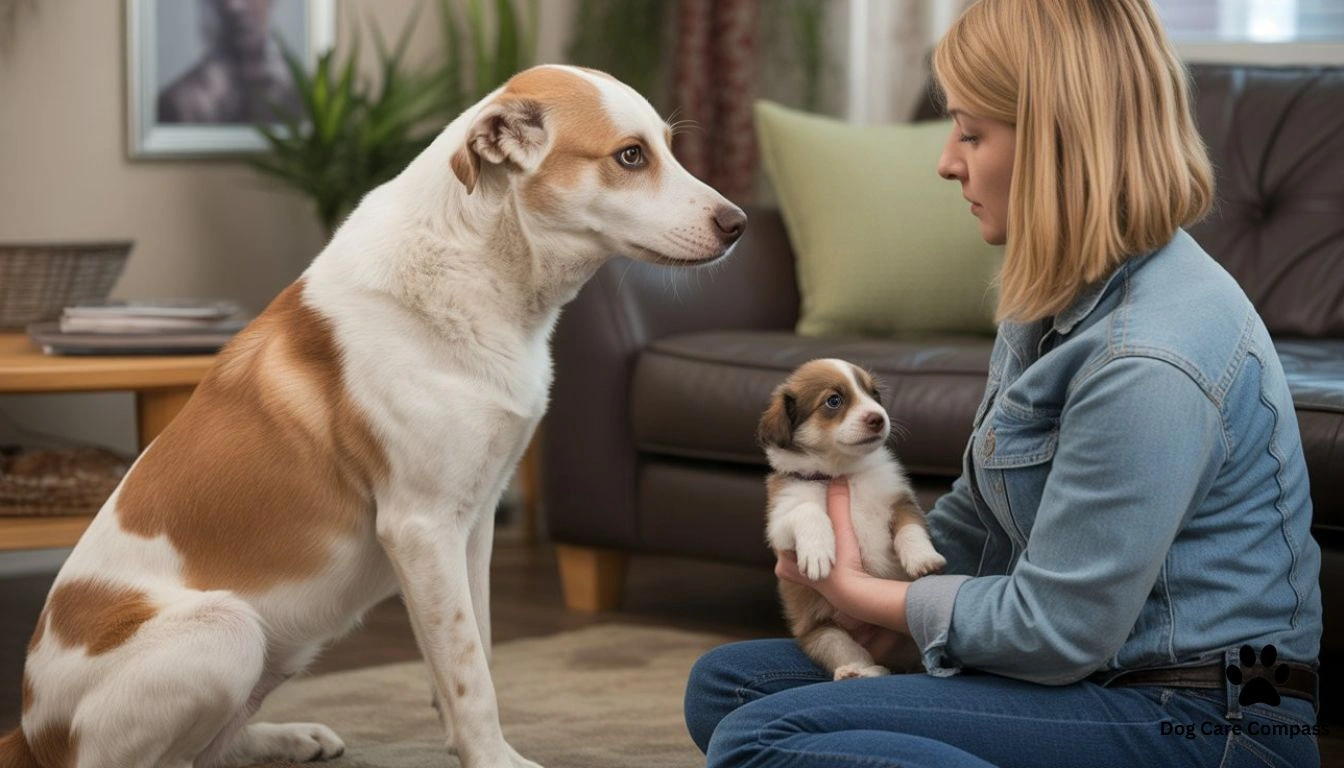
Bringing a new puppy home is one of the most exciting things a dog owner can do. Until you look over at your resident dog and realize something has shifted. The tail is not wagging the way it usually does. The dog that normally greets you at the door is now sitting in the corner watching the new arrival with an expression that can only be described as deeply unimpressed.
Dog jealousy is real — and it is one of the most common challenges owners face when introducing a second dog into the household. The good news is that it is also one of the most manageable, provided you understand what is actually happening and respond to it correctly from the start.
Can dogs get jealous of a new puppy? Yes — dogs experience a form of jealousy that researchers have documented and behavioral scientists recognize as a genuine emotional response. When a new puppy arrives and suddenly receives the attention, resources, and space that previously belonged to the resident dog, that dog’s behavior often changes in ways that reflect genuine emotional conflict.
“Resource guarding often starts or worsens when a new pet arrives — [food aggression] is one of the first signs.”
Quick Answer
| Question | Answer |
|---|---|
| Can dogs get jealous? | Yes — research confirms it |
| Is jealousy dangerous? | Can be if not addressed |
| How long does it last? | Days to weeks with proper management |
| Can it become aggression? | Yes — if warning signs are ignored |
| Best solution? | Equal attention + structured introduction |
Is Dog Jealousy Real?
The short answer is yes — and the science backs it up.
A study published in the journal PLOS ONE found that dogs showed jealous behaviors when their owners interacted with a realistic-looking stuffed dog — pushing, touching the owner, and trying to get between the owner and the object. The researchers concluded that dogs display jealousy in ways that parallel human jealousy responses.
What dogs experience is not identical to human jealousy — they are not plotting revenge or dwelling on perceived injustice. But they do notice changes in attention, resources, and social dynamics. And they respond to those changes behaviorally in ways that are consistent, predictable, and importantly — addressable.
Signs Your Dog Is Jealous of the New Puppy
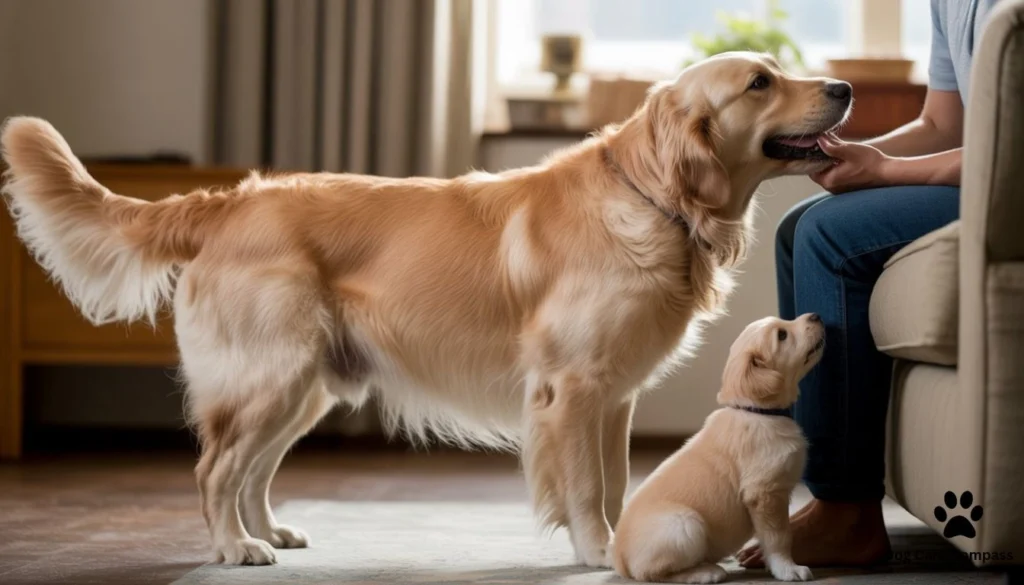
Recognizing jealousy early makes the difference between a minor adjustment period and a serious behavioral problem. These are the most common signs:
Attention-seeking behaviors:
- Pushing between you and the puppy
- Pawing at you when you are interacting with the puppy
- Excessive barking or whining when you give the puppy attention
- Bringing toys or performing tricks unprompted — behaviors that usually earn reward
Withdrawal behaviors:
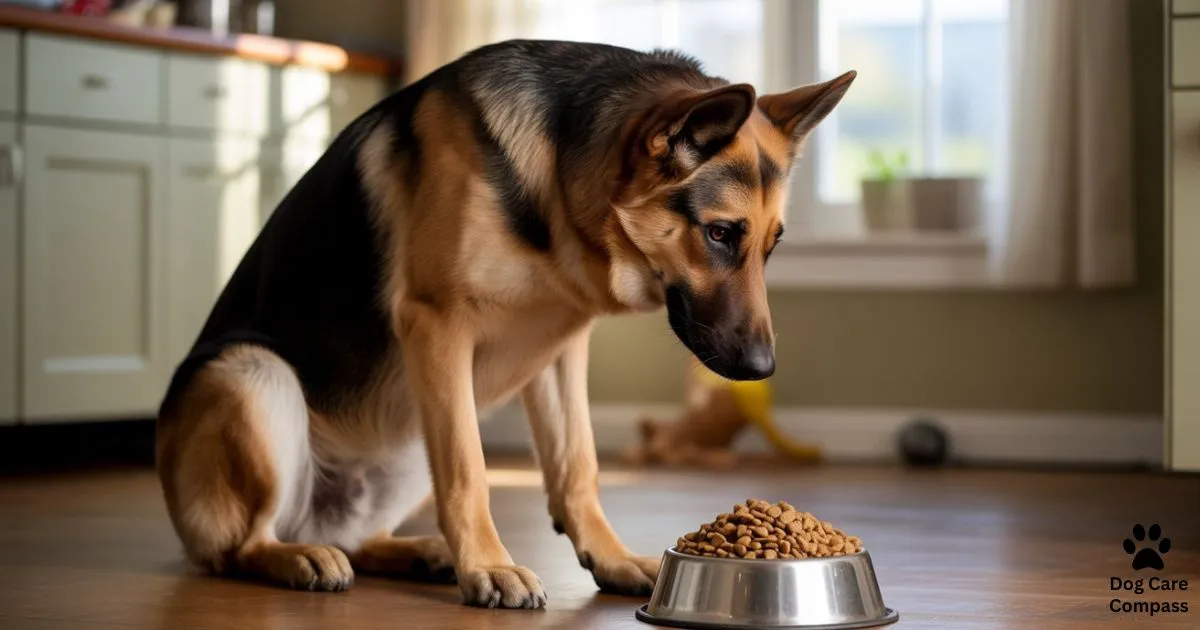
- Refusing to eat when the puppy is nearby
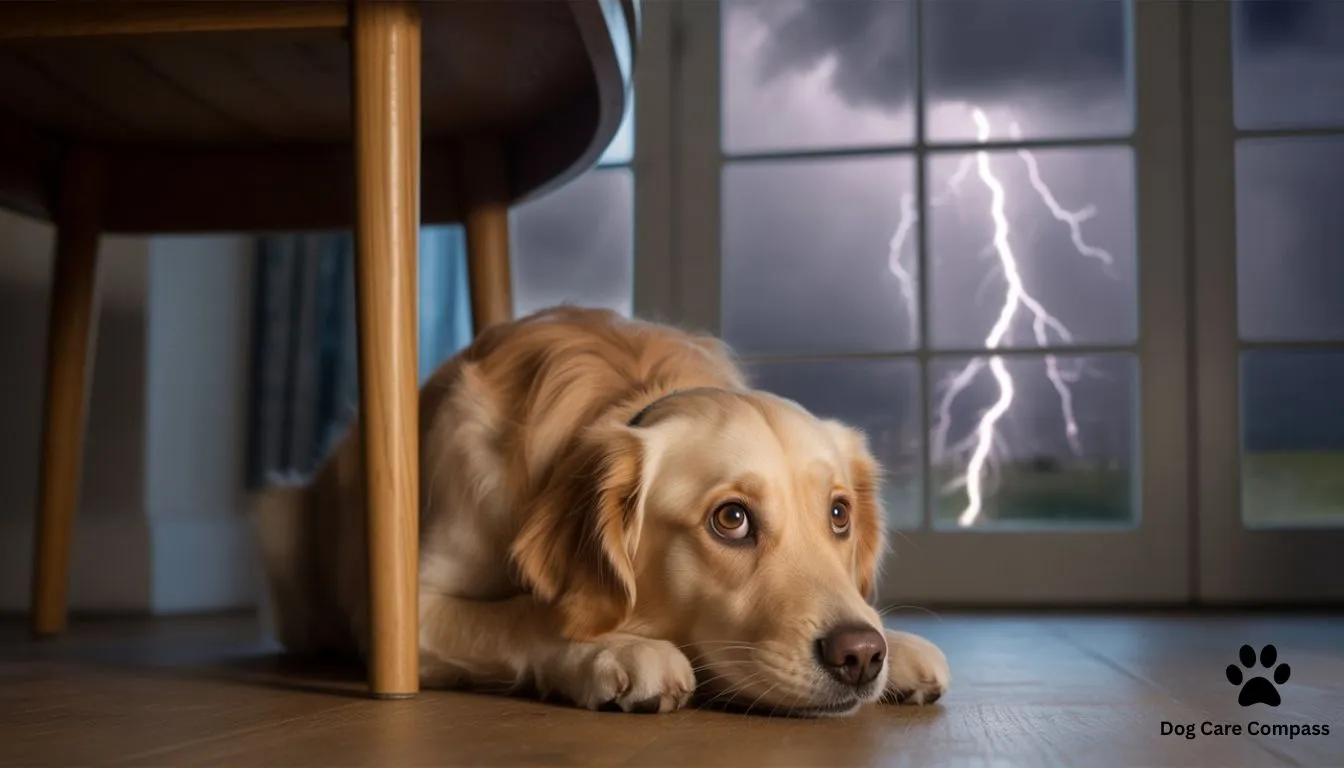
- Hiding in unusual locations
- Loss of interest in play or walks
- General lethargy that appears specifically when the puppy is present
Resource-related behaviors:
- Guarding food bowls, beds, or toys more intensely than before
- Growling when the puppy approaches their space
- Snapping at the puppy near valued resources
Regression behaviors:
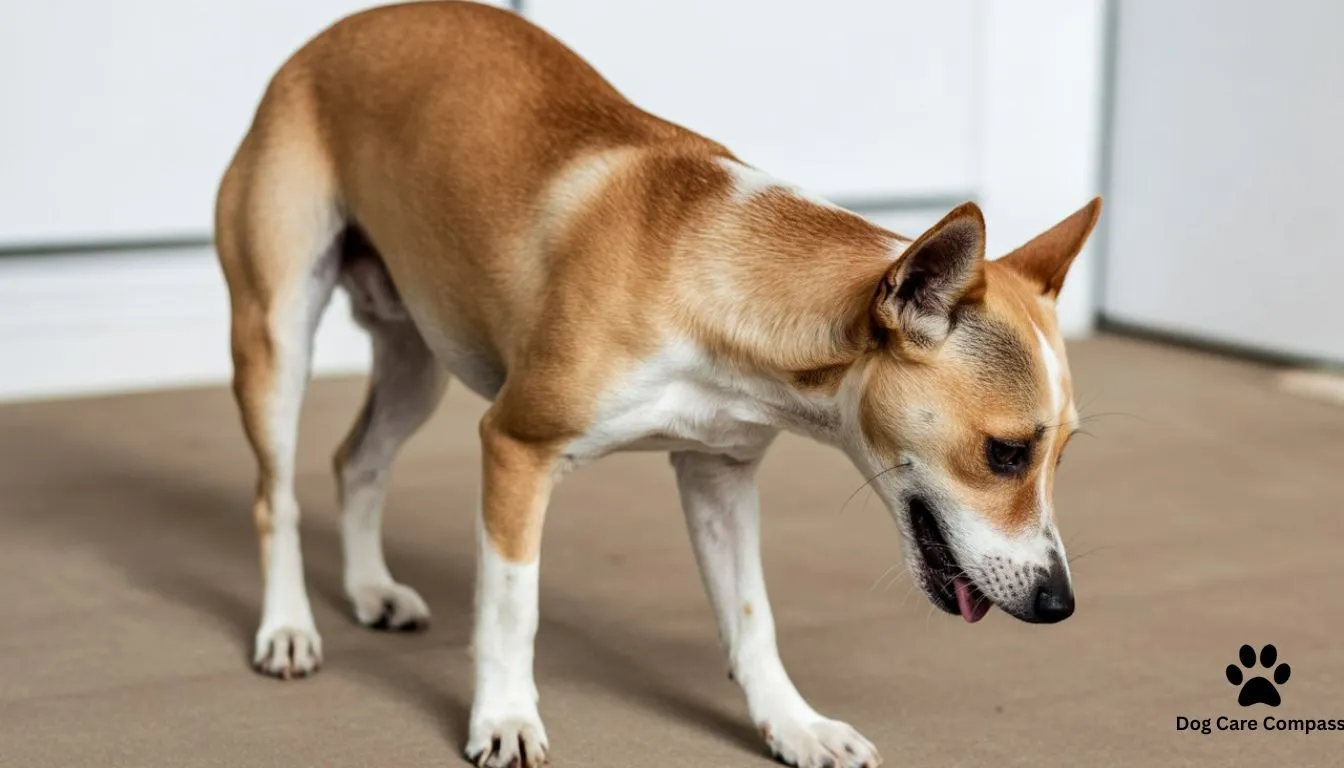
- House soiling in a previously house-trained dog
- Destructive behavior that was not present before
- Increased clinginess and following the owner everywhere
The withdrawal and regression behaviors are often the most concerning because owners sometimes mistake them for illness rather than emotional response. A dog that suddenly starts having accidents indoors after a new puppy arrives is almost always communicating emotional distress rather than a bladder problem.
Why Dogs Get Jealous of New Puppies
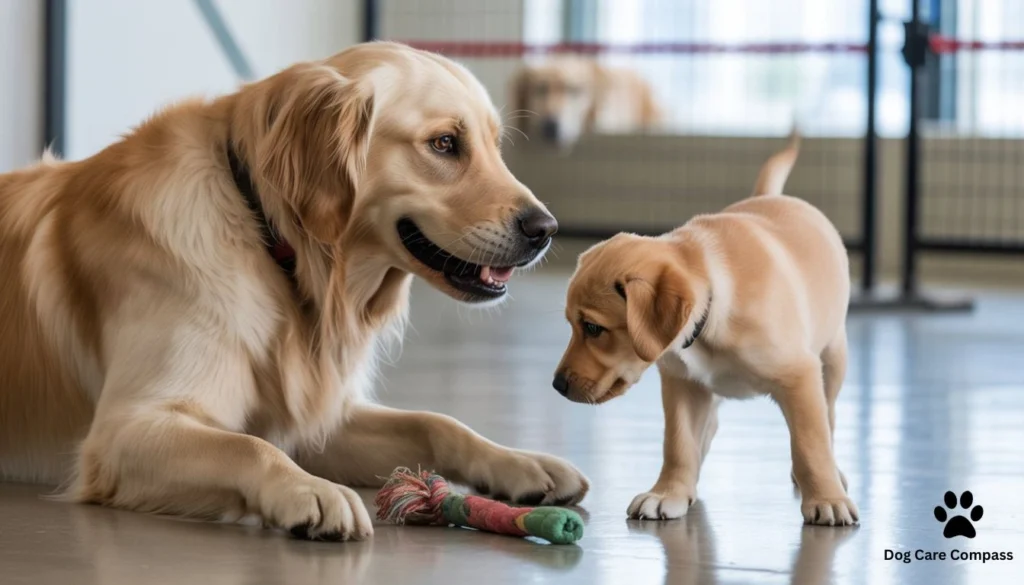
Understanding the cause shapes the response.
Loss of Exclusive Attention
The resident dog has been the sole recipient of the owner’s attention, affection, and interaction. The arrival of a puppy — who demands enormous amounts of time and stimulation — creates a sudden, dramatic reduction in the attention the resident dog receives.
From the resident dog’s perspective, something that was reliably available has suddenly disappeared. The behavioral response is predictable — they try to restore access to that resource through whatever behaviors have worked in the past.
Resource Competition
Dogs are instinctively attentive to resource distribution. Food, sleeping spaces, toys, and human attention are all resources that dogs monitor and respond to when availability changes.
A puppy that eats from the same bowl location, sleeps in the same area, or receives the same toys creates genuine resource competition — even if the owner perceives these resources as separate and plentiful. The resident dog’s perception is what drives the response, not the objective availability of resources.
Disrupted Routine
Dogs are creatures of routine. A consistent daily pattern — same walk time, same feeding time, same play session — creates security. A new puppy disrupts every routine simultaneously. Walk schedules change. Feeding becomes complicated. Quiet times disappear. Play sessions are redirected.
That disruption produces anxiety in many resident dogs — and anxious dogs are more reactive, more territorial, and more likely to display the behaviors owners label as jealousy.
Breed-Specific Considerations
Some breeds are more prone to jealousy-related behavioral responses than others. German Shepherds — with their intense bonding to their owners and high emotional intelligence — are among the breeds that show the most pronounced responses to a new puppy’s arrival.
A German Shepherd that has been the center of the household for two or three years can experience genuine distress when a new puppy arrives and immediately demands significant owner attention. This same breed loyalty that makes them exceptional companions makes the adjustment period more intense.
Understanding the full behavioral and emotional profile of German Shepherds helps owners anticipate these responses rather than being caught off guard by them. The GSD behavior guide covers the breed’s emotional characteristics in detail.
Belgian Malinois show similar patterns — with the additional intensity that characterizes the breed in every behavioral domain. A Malinois adjusting to a new puppy may express their discomfort more dramatically than most breeds. The Malinois complete guide covers what to expect from this breed in changing household dynamics.
How to Help a Jealous Dog Adjust to a New Puppy
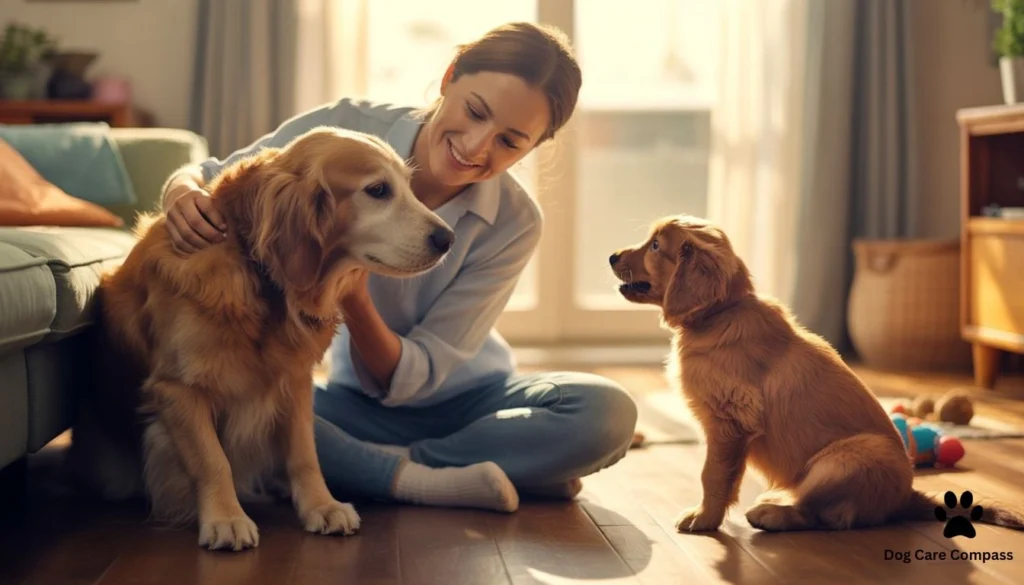
Step 1 — Introduce Correctly From the Start
The introduction between resident dog and new puppy sets the tone for their entire relationship. A rushed, uncontrolled first meeting produces a negative first impression that takes weeks to undo.
Correct introduction protocol:
- First meeting on neutral ground — not the resident dog’s home territory
- Both dogs on leash initially — controlled but not tense
- Allow parallel movement before face-to-face interaction
- Keep the first meeting short — end on calm note
- Separate after the meeting — do not force prolonged interaction immediately
The resident dog should never feel cornered or overwhelmed during the initial introduction. A dog that feels threatened during first contact associates the puppy with threat from the start.
Step 2 — Maintain the Resident Dog’s Routine
This single change produces faster adjustment than almost any other intervention.
Keep the resident dog’s walk at the same time. Feed them at the same time. Maintain their regular play session. The puppy’s schedule is built around what the resident dog already has — not in replacement of it.
A resident dog whose routine remains intact adjusts to the new puppy significantly faster than one whose entire daily structure has been reorganized around the new arrival.
Step 3 — Give the Resident Dog Dedicated One-on-One Time
Set aside time every day that belongs exclusively to the resident dog — no puppy present. This does not need to be long. Ten to fifteen minutes of focused, undivided attention and play communicates to the resident dog that their relationship with the owner has not been replaced.
This is the single most effective behavioral intervention for jealousy in resident dogs. The jealousy response is fundamentally about perceived loss of relationship — demonstrating that the relationship is intact reduces the response faster than any management technique.
Step 4 — Manage Resources Separately
Feed the dogs in separate locations — different rooms if necessary. Give the resident dog their meals first. Provide separate sleeping spaces. Give separate toys.
Resource separation eliminates the competition that drives the most intense jealous responses — growling, snapping, and guarding. A dog that does not have to compete for resources with the puppy has far less reason to behave aggressively toward them.
Step 5 — Never Punish Jealous Behavior
Growling is communication. A resident dog that growls at the puppy is communicating discomfort — which is far preferable to a dog that has learned to suppress warning signals and bites without warning.
Punishing growling teaches the dog to suppress the warning without removing the discomfort. The result is a dog that bites without the preceding signals that would have allowed intervention.
Acknowledge the communication by removing the source of conflict — separating the dogs — rather than correcting the dog for communicating their discomfort.
Step 6 — Reward Calm Behavior Around the Puppy
Whenever the resident dog is calm in the puppy’s presence — lying quietly, ignoring the puppy, engaging normally — reward that behavior immediately. Small treats, calm praise, brief play.
The resident dog is learning that the puppy’s presence predicts good things rather than loss of resources. This counter-conditioning process takes time but produces genuine attitude change rather than mere behavioral suppression.
Step 7 — Give It Time
The adjustment period for most resident dogs is two to six weeks with consistent management. Some dogs adjust faster — particularly those with stable, confident temperaments and owners who maintain their routines. Some take longer — particularly anxious breeds and dogs that have been the sole pet for many years.
Improvement is rarely linear. There will be better days and harder days. The overall trajectory — measured week by week rather than day by day — is what matters.
Dogs may also ignore commands when they are dealing with behavioral stress like separation anxiety, which we explain in detail in this guide.
When Jealousy Becomes Dangerous
Most dog jealousy is uncomfortable rather than dangerous. These signs indicate the situation has moved beyond normal adjustment into something requiring professional intervention:
- Growling that escalates to snapping or biting at the puppy
- Growling or snapping directed at the owner
- Puppy that is visibly afraid and constantly trying to escape the resident dog
- Resident dog that stops eating for more than 48 hours
- Any injury to the puppy from the resident dog
A certified professional dog trainer or veterinary behaviorist should be involved when these signs appear. The same principles that apply to managing fear-based aggression in working breeds apply here — professional guidance produces significantly better outcomes than owner-directed management alone for severe cases.
Diet and Stress — The Connection
A dog experiencing significant stress from a new puppy’s arrival sometimes shows reduced appetite, digestive upset, or increased reactivity — all of which have dietary components alongside the behavioral ones.
Stress increases cortisol levels which affects digestion directly. A resident dog that is not eating well during the adjustment period benefits from highly palatable, easily digestible meals that reduce the additional stress of digestive discomfort on top of emotional adjustment.
The dietary principles that support dogs through digestive stress are covered in our sensitive stomach guide.
Frequently Asked Questions
Should I separate them completely at first?
Controlled separation — separate sleeping areas, separate feeding, supervised interaction — is recommended. Complete separation that prevents any exposure delays the adjustment process rather than accelerating it.
My dog was fine at first but is now getting worse — why?
The initial novelty of the puppy’s arrival sometimes masks the behavioral response. As the reality of the permanent change settles in — around week two or three — some dogs show increased rather than decreased jealousy. This is normal and typically resolves with consistent management.
Can the jealousy permanently damage their relationship?
In most cases no — with correct management, the majority of resident dogs and new puppies develop functional and often affectionate relationships. The early weeks are the critical period.
How long does it take for a dog to accept a new puppy?
Most resident dogs show meaningful improvement within two to six weeks of consistent management. Full acceptance — where the dogs coexist comfortably and may begin playing — typically takes two to three months. Individual variation is significant.
Should I feel guilty about getting a new puppy?
No — but take the adjustment seriously. The resident dog’s discomfort is real and temporary when managed correctly. Guilt that leads to overcompensating — giving the resident dog everything and restricting the puppy excessively — creates a different imbalance.
My older dog is snapping at the puppy — is this normal?
Occasional warning snaps that do not make contact are normal communication from an older dog to an overly persistent puppy. A snap that makes contact, causes injury, or is not preceded by warning growls is more serious and warrants professional assessment.
Final Summary
- Dog jealousy of a new puppy is a real, documented behavioral response — not imagination
- Key signs include attention-seeking, withdrawal, resource guarding, and regression
- Maintain the resident dog’s routine — this single change produces the fastest improvement
- Give dedicated daily one-on-one time to the resident dog — no puppy present
- Feed and house dogs separately to eliminate resource competition
- Never punish growling — it is communication, not defiance
- Reward calm behavior around the puppy consistently
- Most dogs adjust within two to six weeks of consistent management
- Professional help is needed if growling escalates to biting or either dog is injured
Start today: Set aside fifteen minutes this evening that belongs exclusively to your resident dog. No puppy, no divided attention — just the two of you doing something your dog enjoys. That single session communicates more than any management technique about where your relationship stands.
For more dog behavior and training guides, explore the complete library at dogcarecompass.com.