Dog Hiccups That Won’t Stop: Causes, Home Remedies, and When It’s Serious
My dog got hiccups for the first time when he was about four months old. Tiny, rhythmic little jerks that made his whole body bounce. Adorable for about thirty seconds — then I started wondering if something was wrong.
Most dog owners have been there. Hiccups in dogs are common, usually harmless, and almost always resolve on their own. But occasionally they do not stop — and that is when the question changes from “is this normal?” to “should I be worried?”
Dog hiccups that won’t stop are rarely a medical emergency — but persistent hiccups lasting more than an hour, or recurring hiccups over several days, can signal something worth investigating. This guide covers everything — why dogs get hiccups, how to stop them, and when to call your vet.
Quick Answer
| Question | Answer |
|---|---|
| Are dog hiccups normal? | Yes — very common, especially in puppies |
| How long do they usually last? | A few minutes to 30 minutes |
| When is it concerning? | Lasting more than 1 hour consistently |
| Can I stop hiccups at home? | Yes — several methods work reliably |
| Do hiccups need vet treatment? | Rarely — persistent cases do |
Why Do Dogs Get Hiccups?
The mechanism in dogs is identical to humans. Hiccups occur when the diaphragm — the large muscle responsible for breathing — spasms involuntarily. Each spasm causes a sudden intake of breath that is cut off by the closing of the vocal cords, producing the characteristic “hic” sound.
In dogs, the sound is often softer than in humans — sometimes barely audible, sometimes a distinct sound depending on the dog’s size and the intensity of the spasm.
Common Triggers
Eating or drinking too fast: This is the most frequent cause in dogs of all ages. Rapid eating causes air to be swallowed alongside food — that air in the stomach irritates the diaphragm and triggers spasms. Dogs that inhale their food in under a minute are almost always the ones that hiccup regularly after meals.
Excitement and play: High arousal states — vigorous play, greeting excitement, anticipation before a walk — cause rapid, irregular breathing patterns that can trigger diaphragm spasms.
Cold water or food: The temperature change from cold water or food hitting the stomach can cause a brief diaphragm reaction. Dogs that drink ice-cold water enthusiastically are more prone to post-drinking hiccups.
Swallowing air: Beyond fast eating, dogs swallow air when panting heavily, during intense physical activity, and when vocalizing excessively. All of these can contribute to hiccup episodes.
Stress and anxiety: Anxious dogs breathe irregularly — shallow, fast breaths that disrupt the diaphragm’s normal rhythm. A dog that hiccups consistently in stressful situations — vet visits, car travel, thunderstorms — is showing a physical manifestation of anxiety.
Why Puppies Get Hiccups More Than Adult Dogs
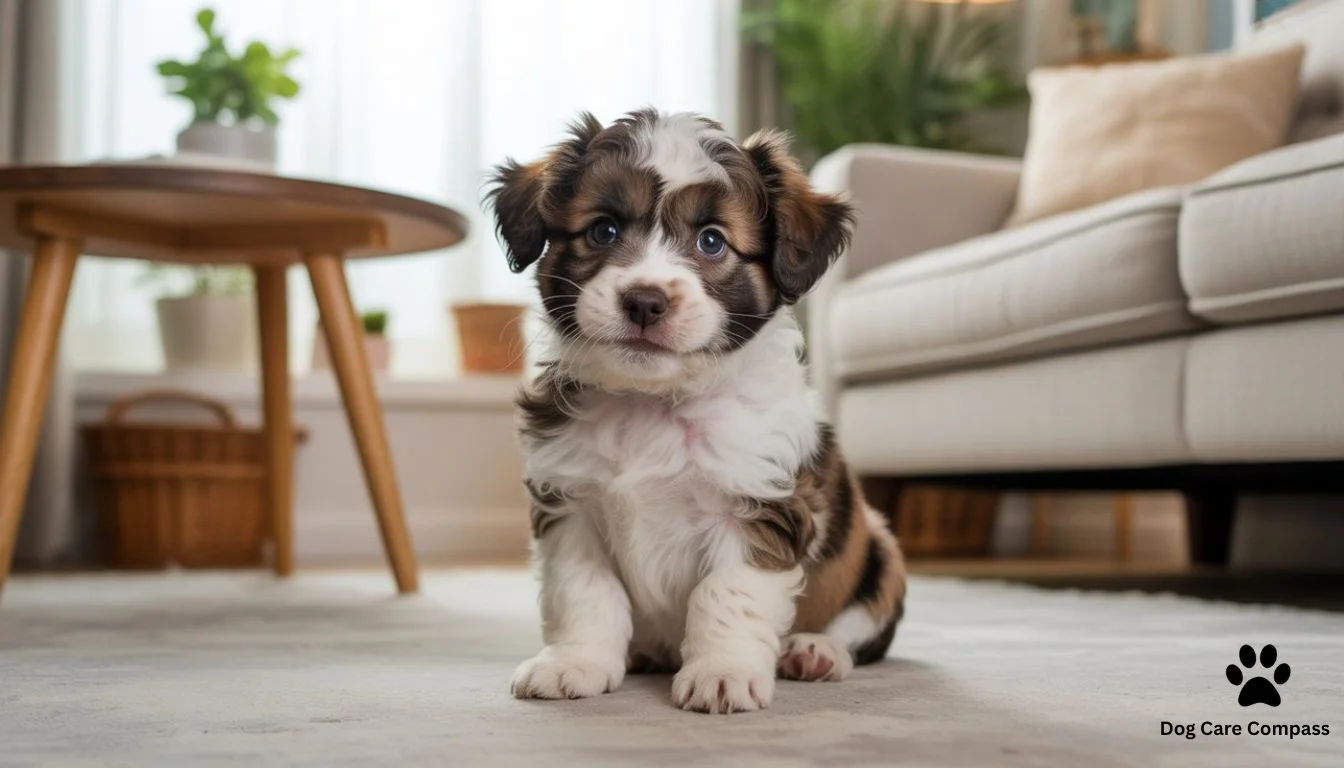
If you have a puppy that seems to hiccup constantly — after meals, during play, randomly throughout the day — this is completely normal.
Puppies hiccup more than adult dogs for several reasons:
- Immature diaphragm control — the muscle coordination that regulates breathing is still developing
- Faster eating patterns — puppies eat with enormous enthusiasm and minimal patience
- Higher excitement baseline — everything is new and stimulating, producing more irregular breathing
- More frequent state changes — sleep to play to sleep creates more opportunities for diaphragm disruption
Most puppies reduce their hiccup frequency significantly as they mature — typically by 6 to 8 months as diaphragm coordination improves and eating pace moderates.
German Shepherd puppies in particular tend to be enthusiastic, fast eaters whose hiccup frequency decreases as they settle into adult feeding patterns. The behavioral and physical development patterns of GSD puppies help owners understand what is normal at each growth stage.
How to Stop Dog Hiccups at Home
Most hiccup episodes resolve without any intervention within a few minutes. These methods can shorten episodes or help dogs that hiccup very frequently.
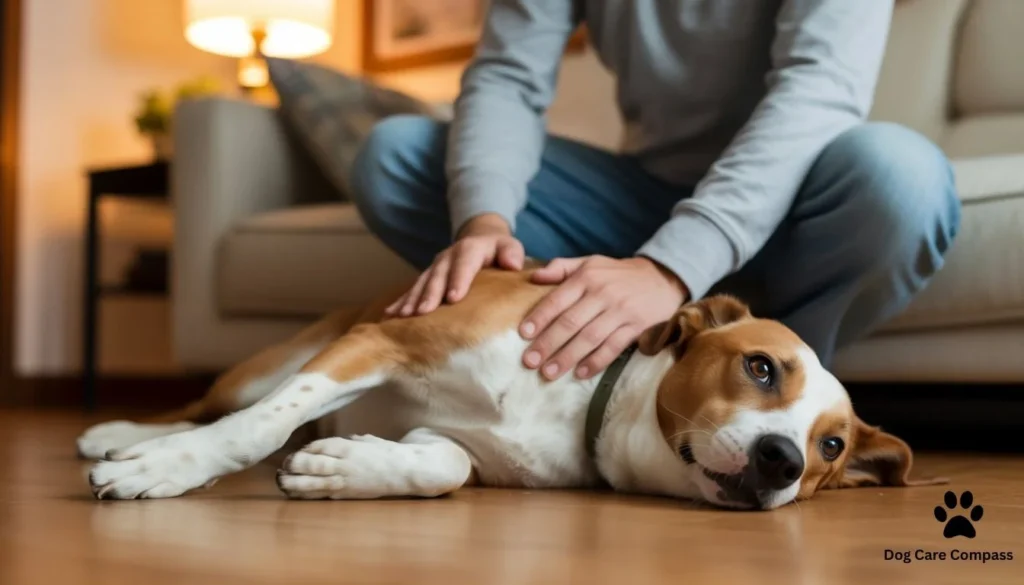
1. Calm, Gentle Chest Rub
Light circular massage on the chest encourages slow, rhythmic breathing that helps regulate the diaphragm. Use the flat of your hand — not fingertips — and maintain gentle, consistent pressure.
The physical contact also has a calming effect on anxious dogs whose hiccups have a stress component. A dog that settles under gentle handling often stops hiccupping faster than one left to manage the episode alone.
2. Slow the Breathing Down
Encourage slow breathing by getting the dog to settle calmly. Asking for a “sit” or “down” and rewarding calm positioning shifts the dog’s focus and often slows the breathing rate enough to interrupt the diaphragm spasm cycle.
3. Offer Small Amounts of Water
A few slow sips of room-temperature water can help reset the diaphragm — the swallowing action interrupts the spasm rhythm. Do not offer large amounts — enthusiastic drinking after hiccups can perpetuate the cycle.
Room temperature water is more effective than cold water here. Cold water can trigger a new round of spasms rather than resolving existing ones.
4. Slow Feeder Bowls for Meal-Related Hiccups
If your dog consistently hiccups after meals — the fix is in how they eat, not how you respond to the hiccups themselves.
Slow feeder bowls with ridges, maze patterns, or puzzle elements extend meal time from thirty seconds to three to five minutes. This single change eliminates meal-related hiccups in the majority of fast-eating dogs.
Elevated feeding bowls also reduce air swallowing during meals for large breeds — relevant particularly for German Shepherds and Belgian Malinois where rapid eating is common.
The same dietary approach that benefits dogs with digestive sensitivity — smaller, more frequent meals rather than one large daily feeding — also reduces hiccup frequency in dogs prone to meal-related episodes.
5. Reduce Pre-Meal Excitement
A dog vibrating with excitement before meals eats faster and swallows more air. Asking for a calm sit-stay before placing the bowl down — and waiting until the dog settles before releasing — reduces the arousal level that contributes to fast, air-swallowing eating.
This takes consistent practice but produces a noticeably calmer feeding routine within two to three weeks.
6. Address Anxiety-Triggered Hiccups
For dogs that hiccup specifically in stressful situations, the hiccups are a symptom of the anxiety rather than a standalone issue. Addressing the underlying anxiety — through desensitization, counter-conditioning, and behavioral support — reduces the hiccup frequency as a natural consequence.
When Dog Hiccups Are More Than Just Hiccups
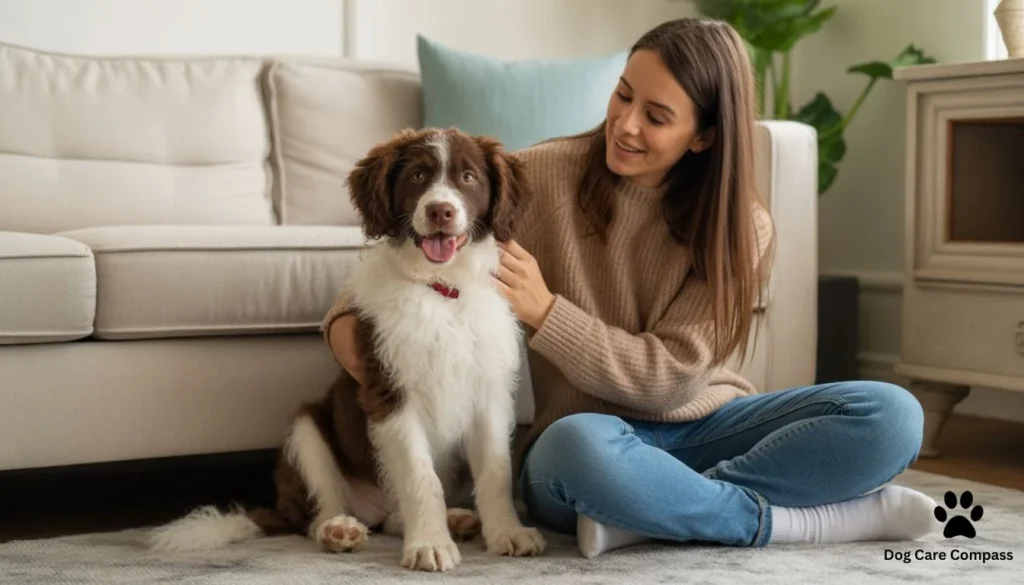
This is where the guide becomes important for a different reason.
Persistent hiccups — lasting more than an hour, or recurring multiple times daily over several days — occasionally indicate underlying conditions that need medical attention.
Respiratory Issues
Persistent hiccups can be a symptom of respiratory tract irritation — pneumonia, bronchitis, or other conditions affecting the lungs and airways. A dog that hiccups persistently alongside coughing, labored breathing, nasal discharge, or lethargy needs veterinary assessment without delay.
Gastrointestinal Problems
The diaphragm sits directly above the stomach and is sensitive to gastric distension and inflammation. Dogs with acid reflux, gastritis, or bloating can hiccup persistently as a result of gastrointestinal irritation pressing against or stimulating the diaphragm.
A dog that hiccups consistently after meals — more than occasional brief episodes — may have underlying acid reflux worth addressing through dietary changes. The acid reflux diet approach covers exactly how meal composition and timing affect gastric acid production in dogs.
Pericarditis or Heart Issues
Rarely — persistent hiccups in dogs have been associated with pericarditis, inflammation of the sac surrounding the heart. This is uncommon but worth mentioning because hiccups as a cardiac symptom are often overlooked.
A dog with persistent hiccups alongside exercise intolerance, breathing difficulty, or swollen abdomen needs prompt veterinary evaluation.
Heat Stroke
Hiccups during or after significant heat exposure can indicate heat stroke — a medical emergency. A dog that was in hot conditions and is hiccupping persistently alongside panting, drooling, disorientation, or vomiting needs immediate emergency veterinary care.
Neurological Causes
The hiccup reflex involves multiple nerve pathways including the phrenic nerve and vagus nerve. Neurological conditions affecting these pathways can produce persistent hiccups that do not respond to normal resolution. This is rare — but persistent hiccups that have no obvious trigger and do not resolve are worth investigating neurologically.
Hiccups vs. Other Conditions — How to Tell the Difference
Some conditions look like hiccups but are not — and the distinction matters.
| Condition | Sound | Body Movement | Duration | Other Signs |
|---|---|---|---|---|
| Hiccups | Soft hic sound | Brief body jerk | Minutes | None typically |
| Reverse sneezing | Honking, snorting | Neck extended | 30 sec–2 min | None typically |
| Retching | Gagging sound | Abdominal heaving | Variable | Nausea signs |
| Coughing | Sharp expulsion | Chest movement | Variable | May have discharge |
| Seizure | None or vocalization | Full body | Variable | Loss of consciousness |
Reverse sneezing is the condition most commonly confused with hiccups. Both involve brief, repetitive involuntary movements — but reverse sneezing produces a distinctive honking sound and involves the nasal passage rather than the diaphragm. We covered reverse sneezing in detail in our reverse sneezing guide.
Breed Considerations
German Shepherds
German Shepherds are fast, enthusiastic eaters — meal-related hiccups are common in the breed. The fix is almost always a slow feeder bowl rather than any medical intervention.
GSD puppies hiccup particularly frequently during the first six months — a normal part of physical development that resolves naturally.
Belgian Malinois
Malinois share the fast-eating tendency of working breeds. High arousal before meals is almost universal in this breed — combined with their speed of eating, post-meal hiccups are common.
The behavioral approach to meal calm — asking for a sit-stay before bowl placement — is particularly effective in Malinois given their responsiveness to structured commands. The full feeding and behavioral context for this breed is covered in our Malinois guide.
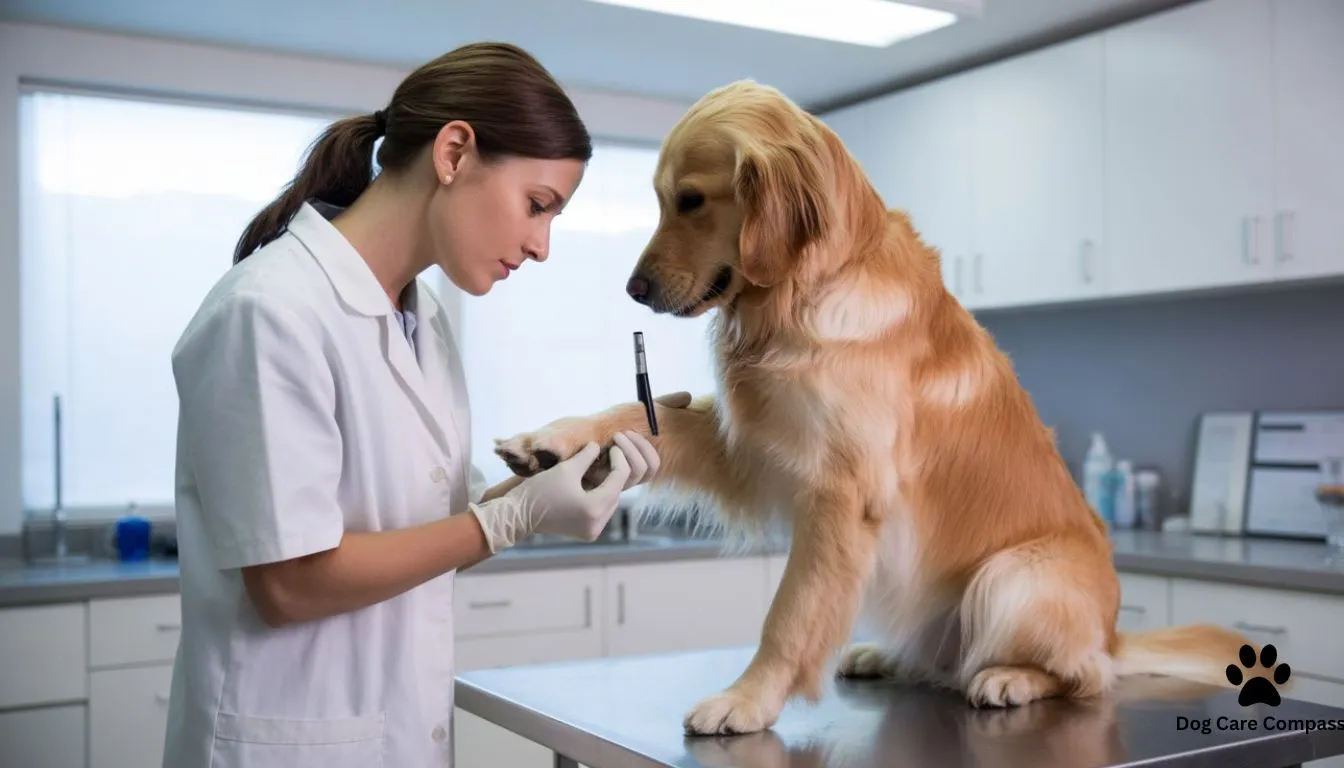
When to See a Vet
Most hiccups need no veterinary attention. See a vet if:
- Hiccups last more than 1 hour continuously
- Hiccups recur multiple times daily over more than 3 days
- Hiccups are accompanied by vomiting, lethargy, or appetite loss
- Hiccups appear alongside breathing difficulty or coughing
- The dog was exposed to significant heat before the hiccups started
- Hiccups began after the dog ate something unusual or potentially toxic
According to veterinary guidance, persistent hiccups in adult dogs that have no obvious trigger — no fast eating, no excitement, no stress — are more likely to have a medical cause than episodic hiccups with clear triggers.
Frequently Asked Questions
Are hiccups painful for dogs?
No. Hiccups are uncomfortable and mildly startling — particularly for puppies experiencing them for the first time — but they are not painful. A dog that seems distressed during hiccups is likely reacting to the unfamiliar sensation rather than pain.
My puppy gets hiccups every day — is that normal?
Yes — daily hiccups in puppies under 6 months are completely normal. Immature diaphragm coordination, fast eating, and high excitement levels all contribute. Frequency typically decreases naturally as the puppy matures.
Can I give my dog anything to stop hiccups faster?
Small sips of room temperature water and gentle chest massage are the most reliably effective interventions. Avoid cold water — it can extend rather than shorten episodes. There is no canine equivalent of “holding your breath” that works reliably.
My dog hiccups every night before bed — why?
Evening hiccups often relate to the day’s last meal — fast eating, air swallowing, or a meal that was too large. A slow feeder bowl and a smaller evening meal typically resolve this pattern.
Can hiccups cause vomiting in dogs?
Persistent hiccups can contribute to nausea in some dogs — particularly those already prone to motion sickness or acid reflux. If hiccups are consistently followed by vomiting, the underlying digestive condition is worth addressing rather than focusing on the hiccups alone.
Is it safe to ignore dog hiccups?
For brief, occasional hiccups with obvious triggers — yes. For persistent, frequent, or symptom-accompanied hiccups — no. Use the criteria above to determine when monitoring is appropriate versus when a vet call is needed.
Final Summary
- Dog hiccups are almost always normal — especially in puppies and fast eaters
- Most common triggers are fast eating, excitement, cold water, and stress
- Gentle chest massage and small sips of water are the most effective home interventions
- Slow feeder bowls eliminate meal-related hiccups in most cases
- Hiccups lasting more than one hour or recurring over several days warrant a vet check
- Persistent hiccups alongside other symptoms — vomiting, lethargy, breathing changes — need prompt attention
- Reverse sneezing is commonly confused with hiccups — the sound and mechanism are different
One thing to do today: If your dog hiccups consistently after meals — order a slow feeder bowl. This single change resolves meal-related hiccups in the majority of dogs within the first week of use.
For more dog health guides, explore the complete library at dogcarecompass.com.