Best Dog Food for Acid Reflux
f your dog frequently gulps air after meals, vomits yellow bile in the morning, or seems uncomfortable every time they eat, you are not imagining things. These are common signs of acid reflux in dogs, and choosing the best dog food for acid reflux can make a major difference in your dog’s comfort and overall health.
In this guide, you will learn what causes acid reflux in dogs, which ingredients help reduce symptoms, which foods can make the condition worse, and which diets veterinarians often recommend. Whether your dog was recently diagnosed or you have been managing digestive issues for a while, this guide will help you choose the right food.
What Is Acid Reflux in Dogs?
Acid reflux — medically known as Gastroesophageal Reflux Disease (GERD) — occurs when stomach acid flows backward into the esophagus.
The esophagus is not designed to handle strong stomach acid. When acid repeatedly enters this area, it can cause irritation, inflammation, ulcers, and discomfort.
Dogs naturally produce strong stomach acid to digest protein and eliminate harmful bacteria. However, when the lower esophageal sphincter (LES) — the valve between the stomach and esophagus — relaxes at the wrong time, stomach acid escapes upward and causes reflux symptoms.
Understanding this process helps dog owners choose foods that support healthy digestion and reduce reflux episodes.
Common Symptoms of Acid Reflux in Dogs

Recognizing reflux symptoms early can help prevent more serious digestive problems.
Common signs include:
- Frequent gulping or excessive swallowing after eating
- Vomiting yellow or foamy bile, especially in the morning
- Burping or excessive gas
- Whining or discomfort during or after meals
- Coughing or gagging without an obvious cause
- Gradual weight loss despite normal feeding
- Loss of appetite or food avoidance
- Eating grass frequently
If your dog shows several of these symptoms consistently, it is best to consult a veterinarian before making major dietary changes.
Why Does Acid Reflux Happen in Dogs?
Several factors can contribute to acid reflux in dogs.
High-fat diets
Foods high in fat slow digestion and increase stomach pressure, making reflux more likely.
Food sensitivities
Some dogs react poorly to ingredients such as corn, wheat, soy, or artificial additives.
Large meals
Feeding one large meal per day increases stomach pressure and acid buildup.
Obesity
Excess body weight places additional pressure on the stomach.
Medical conditions
Conditions such as hiatal hernia, hypothyroidism, or inflammatory bowel disease may contribute to reflux.
Breed anatomy
Flat-faced breeds such as Bulldogs, Pugs, and French Bulldogs are naturally more prone to acid reflux.
Best Dog Food for Acid Reflux: Key Ingredients to Look For
Choosing the right ingredients is essential when managing reflux.
Low Fat Content
Look for dog foods containing less than 15% fat to reduce stomach pressure.
Lean Protein
Easily digestible proteins include:
- Chicken
- Turkey
- White fish
Moderate Fiber
Healthy fiber sources include:
- Sweet potatoes
- Pumpkin
- Brown rice
- Oatmeal
Fiber helps regulate digestion and prevents food from remaining too long in the stomach.
Probiotics
Probiotics support healthy gut bacteria and improve digestion.
High Moisture Content
Wet food and fresh food help dilute stomach acid and improve digestion.
Quick Comparison of Dog Foods for Acid Reflux
| Dog Food | Type | Fat Level | Best For |
|---|---|---|---|
| Hill’s Prescription Diet i/d | Prescription | Low | Severe reflux |
| Hill’s Science Diet Chicken & Barley | Dry | Moderate | Mild reflux |
| Royal Canin Digestive Care | Dry | Moderate | Sensitive stomach |
| Annamaet Reduced Fat | Dry | Low | Weight management |
| Spot & Tango Turkey & Red Quinoa | Fresh | Low | Natural diet |
Homemade Dog Food for Acid Reflux
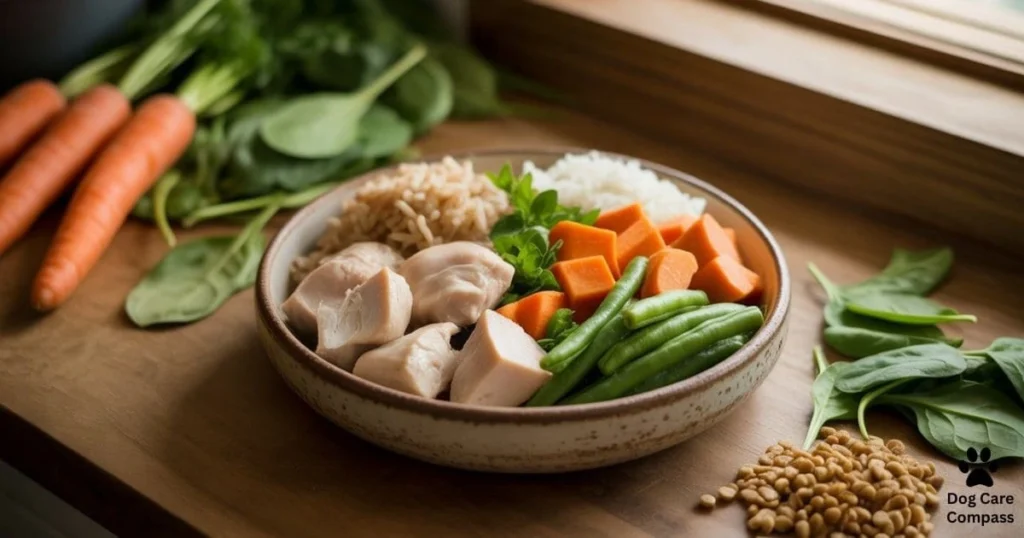
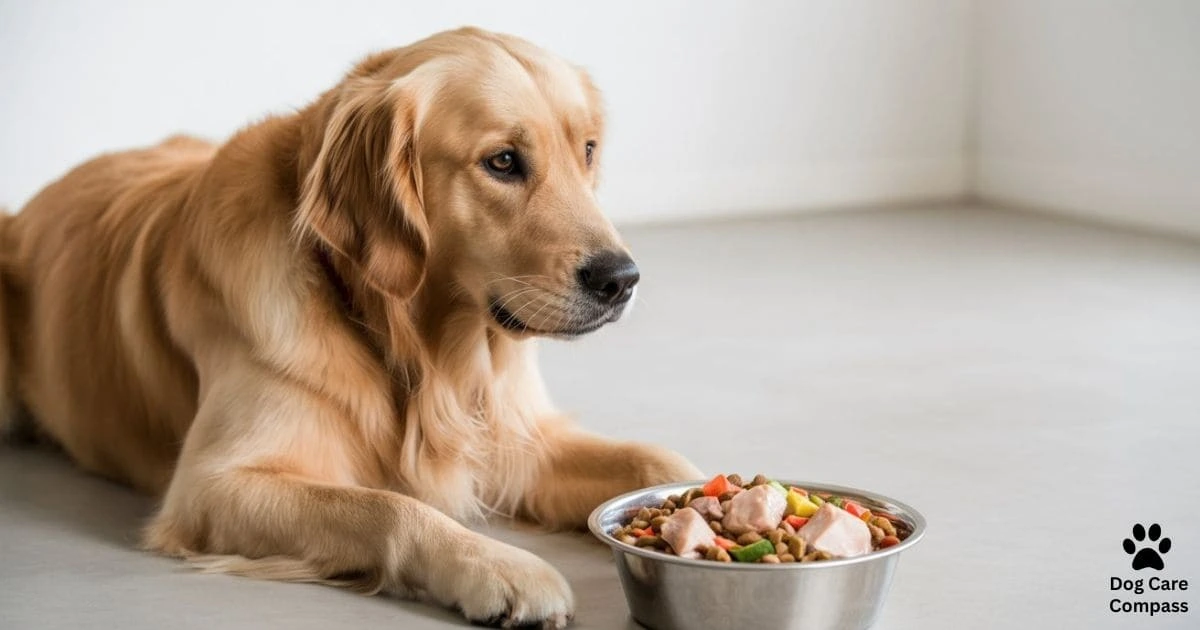
Some owners prefer cooking for their dogs at home, especially when commercial options cause ongoing issues. Homemade meals give you complete control over every ingredient — which is a significant advantage when managing a condition as ingredient-sensitive as GERD.
A simple, vet-approved homemade base for dogs with acid reflux typically includes:
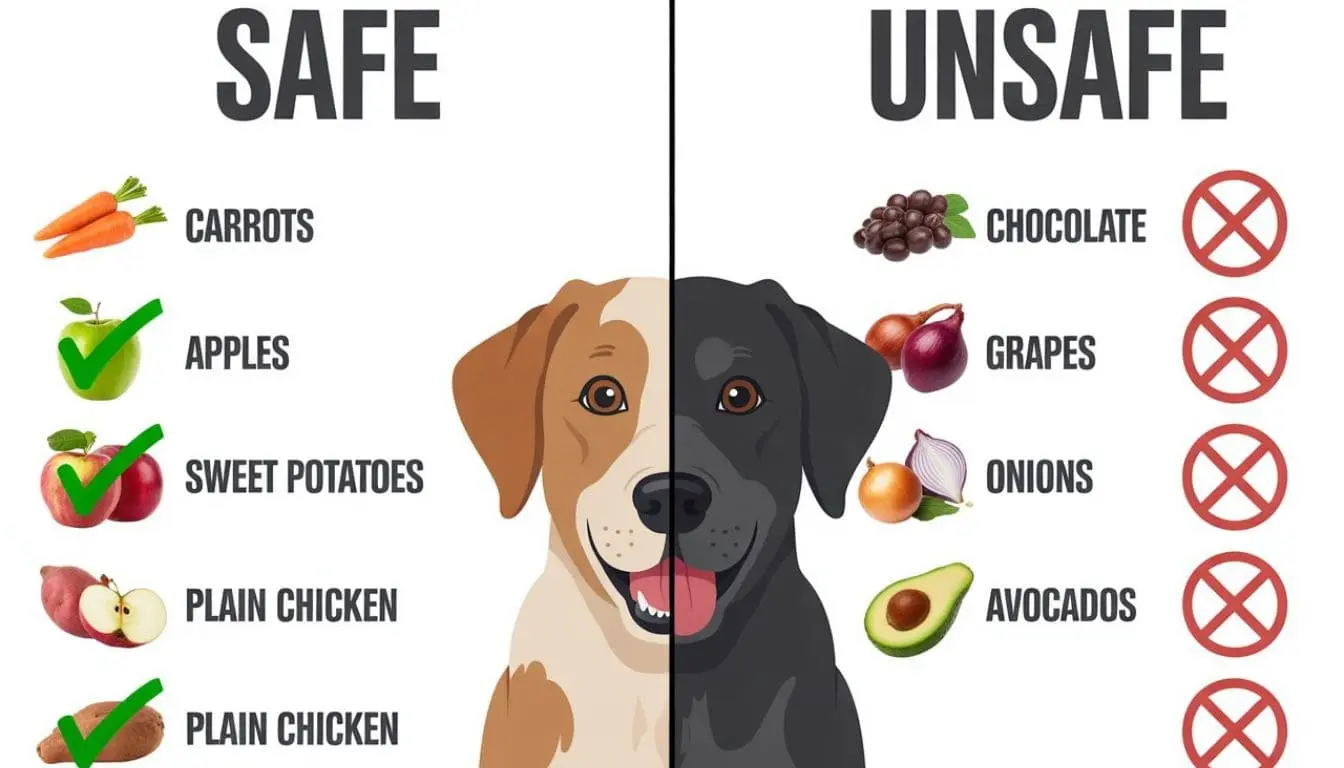
- Lean protein: Boiled chicken breast, ground turkey, or baked white fish (no seasoning)
- Digestible carbohydrate: Plain sweet potato, cooked oatmeal, or brown rice
- Vegetables: Steamed zucchini, green beans, or plain pumpkin puree
- Supplement: A balanced canine multivitamin or calcium source to compensate for what fresh food lacks
Critical note: Homemade dog food without a properly formulated recipe can cause serious nutritional deficiencies over time. Work with a board-certified veterinary nutritionist before switching to a fully homemade diet. The best dog food for acid reflux — homemade or commercial — must still meet AAFCO nutritional standards.
Best Types of Dog Food for Acid Reflux
Fresh Cooked Dog Food
Fresh cooked meals are often easier to digest and contain fewer additives.
Wet or Canned Dog Food
Wet food contains higher moisture levels, which can help digestion and reduce stomach acid buildup.
Raw Dog Food
Some dogs tolerate raw diets well, while others may experience digestive problems.
Dry Kibble
Dry kibble can be used if properly selected. Soaking kibble in warm water before feeding can make digestion easier.
Best Dog Food for Acid Reflux in Small Dogs
Small dogs often experience reflux more easily because their stomach capacity is smaller.
For small breeds with acid reflux:
- Feed smaller meals more frequently
- Choose easily digestible proteins
- Prefer wet or fresh food
- Avoid high-fat diets
Most small dogs benefit from three to four small meals per day instead of two large meals.
Top Vet-Recommended Dog Foods for Acid Reflux
Hill’s Prescription Diet i/d — Gastrointestinal Health
The first recommendation from most veterinarians when GERD is diagnosed. Clinically formulated for digestive support, low in fat, and highly digestible. This is a prescription product, which means you will need your vet’s approval — but the results are consistently reliable.
Hill’s Science Diet Chicken & Barley (Adult)
A strong over-the-counter option for dogs transitioning off prescription diets or those with mild to moderate reflux. Prebiotic fiber supports gut health, real chicken is the first ingredient, and fat content stays within a range suitable for reflux management.
Royal Canin Digestive Care
Engineered for dogs with sensitive stomachs. The unique kibble shape promotes slower chewing and better saliva production, which aids digestion. The protein and fiber blend supports smooth, regulated gastric emptying.
Annamaet Grain-Free Lean Reduced Fat Formula
An ideal choice when weight management is also a factor. Reduced fat content combined with a grain-free profile makes this one of the cleaner commercial kibble options for dogs dealing with GERD.
Spot & Tango Turkey & Red Quinoa (Fresh Food)
A human-grade fresh dog food delivered directly to your door. Turkey is a lean, GERD-friendly protein. Red quinoa provides sustained energy without the fermentation risk associated with high-starch grains. No fillers, no artificial additives — this is fresh-cooked convenience done right.
Feeding Tips That Reduce Acid Reflux
Simple feeding habits can significantly reduce reflux symptoms.
- Feed three to four smaller meals per day
- Keep your dog upright for 20–30 minutes after eating
- Use a raised feeding bowl
- Avoid feeding close to bedtime
- Soak dry kibble before feeding
Supplements That Help Dogs With Acid Reflux
| Supplement | How It Helps | Key Benefit |
| Probiotics | Restores healthy gut bacteria and regulates stomach $pH$ levels. | Balances the gut microbiome. |
| Digestive Enzymes | Speeds up protein/fat breakdown; reduces gas fermentation. | Eases the workload on the stomach. |
| Slippery Elm Bark | Forms a protective “mucilage” coat over the esophageal lining. | Immediate soothing of “heartburn.” |
| Plain Pumpkin Puree | High soluble fiber that regulates gastric transit time. | Keeps digestion moving smoothly. |
| Fish Oil (Low Dose) | Rich in EPA/DHA to reduce gut inflammation. | Supports mucosal lining integrity. |
| Marshmallow Root | Natural demulcent that soothes irritated stomach tissue. | Reduces inflammation in the throat. |
Always consult your vet before adding supplements — especially if your dog is already on prescription medication for GERD.
When to See a Veterinarian
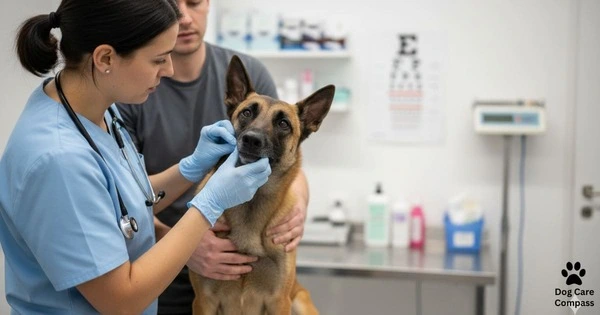
Diet changes resolve mild acid reflux in many dogs within two to three weeks. However, some situations require professional intervention right away. Contact your vet if:
- Symptoms continue or worsen after three weeks of dietary management
- Your dog is losing weight despite eating normally
- Vomiting becomes more frequent, more forceful, or contains blood
- Your dog refuses food for more than 24 consecutive hours
- You notice difficulty swallowing, excessive drooling, or pain when eating
In more serious cases, veterinarians may prescribe omeprazole (proton pump inhibitor), sucralfate (esophageal protectant), or metoclopramide (to improve gastric emptying). These medications are short-term tools — a sustainable long-term outcome still depends on dietary and lifestyle management.
FAQ
What food is best for a dog with acid reflux?
Low-fat, easily digestible foods with lean protein like chicken or turkey and high moisture content (wet or fresh food) are best for dogs with acid reflux.
What foods will calm down acid reflux?
Foods that are low in fat, gentle on the stomach, and include probiotics, pumpkin, or lean proteins can help calm acid reflux symptoms.
How do I cure acid reflux in my dog?
Acid reflux is managed, not usually cured — it improves with a low-fat diet, smaller frequent meals, weight control, and veterinary treatment if needed.
Is pumpkin good for acid reflux in dogs?
Yes, plain pumpkin is good because it provides gentle fiber that supports digestion and helps regulate stomach function.
Conclusion
Choosing the right dog food for acid reflux is not a matter of price or brand prestige — it requires understanding your dog’s digestive sensitivities and making deliberate, consistent dietary decisions that minimize triggers.
When appropriate nutrition is paired with proper portion control and feeding schedules, it can significantly improve a dog’s comfort and overall well-being. Signs like rapid eating, post-meal restlessness, or hesitation around food are indicators that something may be off. Addressing these signals through thoughtful dietary adjustments is one of the most effective ways to support your dog’s health and comfort.
Author
Written by: DogCareCompass Editorial Team
The DogCareCompass editorial team researches veterinary guidelines, canine nutrition studies, and trusted pet health resources to provide accurate and practical dog care advice.
Disclaimer: This article is for informational purposes only. Always consult a licensed veterinarian before making major dietary changes.

researching veterinary sources, scientific studies, and expert
guides to bring dog owners accurate, practical information. Every
article is written with care and reviewed against credible
veterinary references including ASPCA, AKC, and peer-reviewed
literature.
- How to Stop Dog Barking at Night: 8 Proven Methods That Work - July 2, 2026
- Dog Pulls on Leash Every Walk? Fix It With This Simple Method - July 2, 2026
- How to Teach a Dog to Heel Without Treats: Step-by-Step Method - June 27, 2026