Belgian Malinois Dog: Everything You Need to Know Before Owning One
The Belgian Malinois is a high-performance working dog breed known for elite intelligence, intense drive, and unmatched obedience. It is widely used in military operations, police K9 units, and professional protection training worldwide.
Over the past decade, the Belgian Malinois has gained worldwide recognition as one of the most capable working dog breeds. From military missions to search-and-rescue operations, these dogs demonstrate unmatched discipline, strength, and intelligence.
But the Belgian Malinois dog is not just a working dog used by professionals. With proper training and the right environment, it can also become a deeply loyal companion for active families and dedicated dog owners.
However, this breed is not for everyone.
Many people choose a Belgian Malinois because of its impressive reputation, but they quickly realize that this dog requires far more exercise, training, and mental stimulation than most other breeds.
If you are considering owning one, understanding the breed completely is essential.
This guide covers everything you need to know, including:
- The origin and history of the Belgian Malinois
- Physical characteristics and breed standards
- Personality, intelligence, and behavior
- Exercise requirements and activity needs
- Training and mental stimulation
By the end of this guide, you will clearly understand whether the Belgian Malinois is the right dog for your lifestyle.
For proper care and training of this breed, understanding health and nutrition is equally important.
Belgian Malinois Overview (Breed History, Size & Characteristics)
The Belgian Malinois is a highly intelligent herding dog that originated in Belgium during the late nineteenth century. It belongs to the group of Belgian shepherd dogs, which includes several closely related breeds developed for herding livestock and protecting farmland.
Today, the Belgian Malinois is recognized as one of the most powerful working dog breeds for law enforcement, military service, search and rescue operations, and advanced dog sports.
Its speed, endurance, and obedience make it ideal for demanding tasks such as military service, police work, protection training, and competitive dog sports.
The following table summarizes the key physical and behavioral characteristics of the Belgian Malinois breed.
Quick Breed Facts
| Trait | Details |
|---|---|
| Breed Type | Herding / Working Dog |
| Height | 22–26 inches |
| Weight | 40–80 pounds |
| Lifespan | 12–14 years |
| Energy Level | Extremely High |
| Intelligence | Very High |
| Trainability | Advanced |
These dogs are known for their sharp focus, fast learning ability, and intense work drive.
Unlike many companion breeds that are satisfied with short daily walks, the Belgian Malinois thrives when it has a purpose and structured activities.
Origin and History of the Belgian Malinois
Understanding the history of the Belgian Malinois helps explain its behavior and working abilities today.
During the late 1800s, farmers in Belgium needed dogs that could handle multiple tasks on the farm. These dogs had to herd sheep, guard livestock, protect property, and work long hours outdoors.
Belgian breeders began selectively breeding shepherd dogs that showed the best working qualities.
These qualities included:
- High intelligence
- Strong protective instincts
- Endurance and stamina
- Quick decision-making ability
The result was the development of four Belgian shepherd varieties:
- Belgian Malinois
- Belgian Tervuren
- Belgian Sheepdog
- Belgian Laekenois
Among these, the Belgian Malinois quickly stood out because of its speed, agility, and strong work ethic.
By the early twentieth century, the breed had gained popularity among police forces and military organizations.
Today, Belgian Malinois dogs are used worldwide in roles such as:
- Police K9 units
- Military special operations
- Search and rescue missions
- Explosive and narcotics detection
- Personal protection training
In fact, many modern military working dogs are Belgian Malinois because they are lighter, faster, and more agile than many other working breeds.
Tracking your Malinois’ [heat cycle] helps you prepare for behavioral changes in time
Physical Appearance, Size, and Lifespan
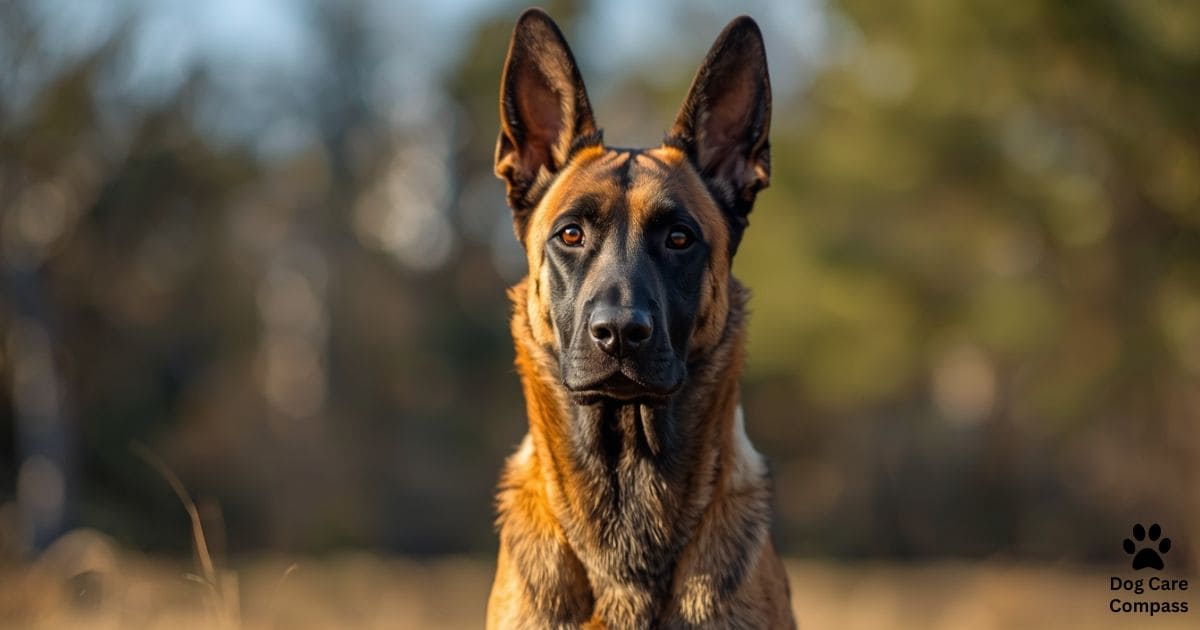
The Belgian Malinois has a balanced and athletic body built for endurance and speed.
Unlike heavier working dogs, the Malinois has a lean but muscular frame that allows it to move quickly and perform physically demanding tasks.
Common physical features include:
- A short, dense weather-resistant coat
- A rich fawn or mahogany color
- A distinctive black facial mask
- Upright triangular ears
- Alert and intelligent expression
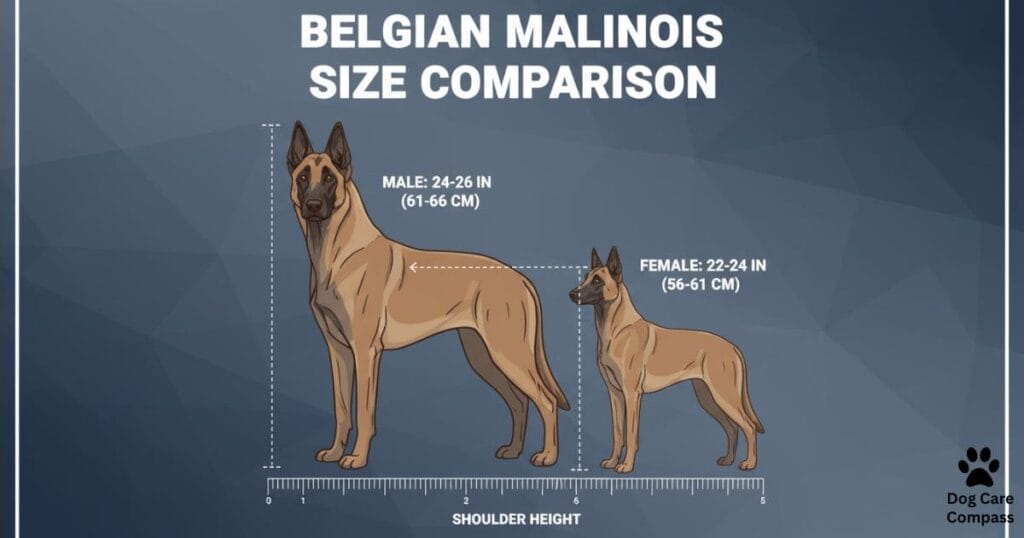
Male Belgian Malinois are typically slightly larger than females.
Average Size
| Gender | Height | Weight |
|---|---|---|
| Male | 24–26 inches | 60–80 lbs |
| Female | 22–24 inches | 40–60 lbs |
With proper care, nutrition, and veterinary support, most Belgian Malinois live between 12 and 14 years.
Active dogs that receive consistent exercise and mental stimulation often enjoy long and healthy lives.
Belgian Malinois Temperament and Personality
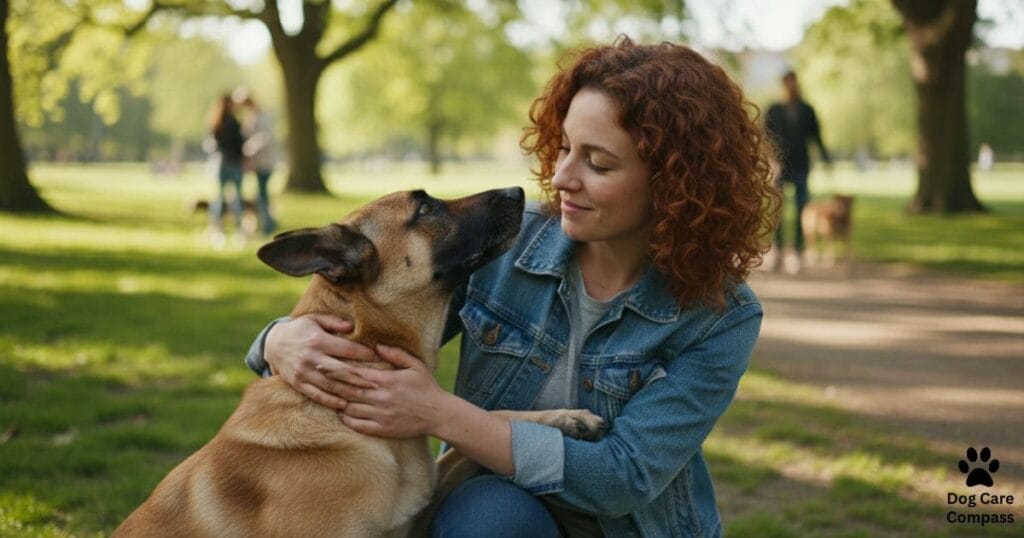
One of the defining traits of the Belgian Malinois is its temperament.
This breed is highly alert, loyal, and deeply connected to its handler. Unlike many independent dog breeds, the Malinois prefers working closely with its owner.
Because of this bond, Belgian Malinois dogs are often described as “velcro dogs.” They like to stay near their owners and remain attentive to commands.
In real-world experience, Belgian Malinois dogs display strong loyalty, high alertness, and protective instincts, especially when they are properly trained and socialized from an early age.
- Strong loyalty
- High intelligence
- Protective instincts
- Extreme energy levels
- High focus and discipline
However, these traits also mean that the breed requires experienced handling.
A bored or poorly trained Belgian Malinois may develop unwanted behaviors such as:
- Excessive barking
- Destructive chewing
- Digging
- Anxiety
Proper training and structure prevent these issues.
Intelligence and Working Ability
The Belgian Malinois is widely considered one of the smartest working dog breeds.
Their ability to learn quickly makes them highly successful in advanced training environments.
They excel in activities such as:
- Obedience training
- Protection training
- Agility competitions
- Scent detection
- Herding work
Many professional trainers say that the Malinois learns commands faster than most other breeds.
However, intelligence also means they require mental stimulation.
Without activities that challenge their mind, they may become restless and destructive.
Effective mental stimulation includes:
- Puzzle toys
- Advanced obedience drills
- Scent tracking exercises
- Problem-solving games
Dogs that regularly engage in these activities remain mentally healthy and well behaved.
Is a Belgian Malinois a Good Family Dog?
This is one of the most common questions potential owners ask.
The answer depends largely on the owner’s lifestyle and experience.
A Belgian Malinois can be an excellent family dog in households that provide:
- Consistent training
- Daily exercise
- Clear leadership
- Structured routines
They are naturally protective, which makes them excellent guardians for families.
However, this breed may not be ideal for first-time dog owners.
Because of their energy and intelligence, they require a significant commitment of time and effort.
Families with active lifestyles often enjoy the companionship of a Malinois because the dog can participate in many outdoor activities such as hiking, running, and advanced training sports.
Exercise Needs of a Belgian Malinois
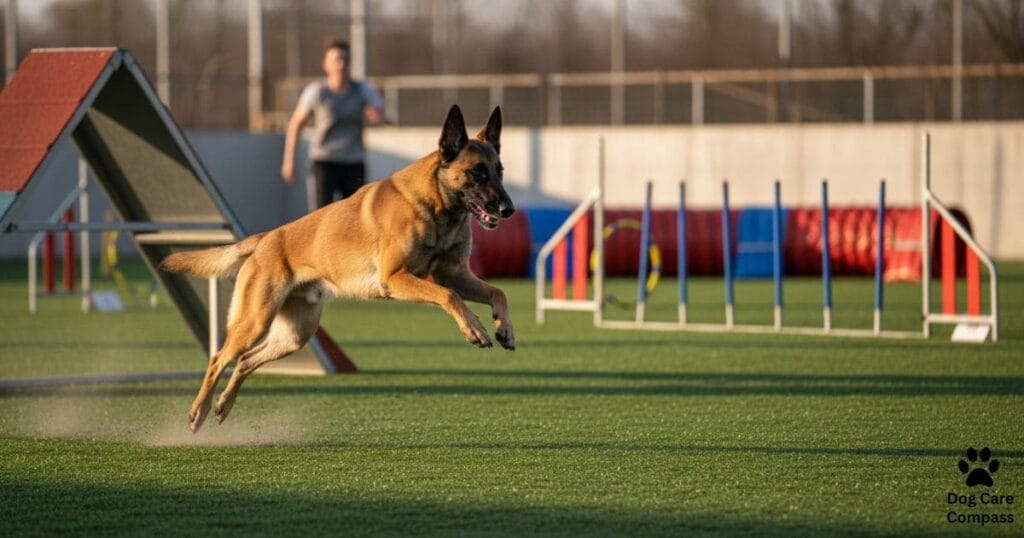
One of the most important aspects of caring for a Belgian Malinois is meeting its exercise requirements.
This breed was developed to work all day in physically demanding environments.
As a result, they have extremely high energy levels.
Based on professional training standards and breeder recommendations, a healthy adult Belgian Malinois requires at least 90 to 120 minutes of structured physical and mental activity every single day.
Without sufficient activity, the dog may become bored or frustrated.
How Much Exercise Does a Belgian Malinois Need?
Daily exercise should include both physical activity and mental engagement.
Simply walking the dog for a few minutes is not enough.
A balanced exercise routine may include:
- Long walks or jogging sessions
- Fetch or frisbee games
- Agility training
- Obedience practice
- Interactive play sessions
Working breeds thrive when they have a structured routine.
Consistency helps them stay calm and balanced.
Best Activities and Mental Stimulation
The Belgian Malinois performs best when it participates in challenging activities.
Some of the most effective activities include:
- Agility obstacle courses
- Advanced obedience training
- Search and rescue simulations
- Protection sports
- Scent tracking games
These activities help channel the dog’s natural instincts into productive behavior.
Professional trainers often recommend combining physical exercise with mental challenges.
This approach keeps the dog satisfied and prevents behavioral problems.
Why the Belgian Malinois Is One of the World’s Best Working Dogs
The rise of the Belgian Malinois in military and law enforcement roles did not happen by accident.
Several qualities make this breed uniquely suited for demanding work.
These qualities include:
- Exceptional intelligence
- High endurance and stamina
- Strong focus under pressure
- Fast reaction time
- Natural protective instincts
Because of these traits, many elite military units prefer the Belgian Malinois over other working dog breeds.
Their speed, agility, and trainability allow them to perform complex tasks that require precision and discipline.
Key Takeaway Before Choosing a Belgian Malinois
Before deciding to own this breed, it is important to honestly evaluate your lifestyle.
A Belgian Malinois is best suited for people who:
- Enjoy active outdoor lifestyles
- Have experience training dogs
- Can dedicate time to daily exercise
- Want a highly trainable working companion
Owners who meet these conditions often develop an incredibly strong bond with their Malinois.
When properly trained and cared for, this breed becomes one of the most loyal and capable companions a person can have.
Belgian Malinois Training Guide (Step-By-Step System for Success)
Belgian Malinois Training Guide (Step-By-Step System for Success)
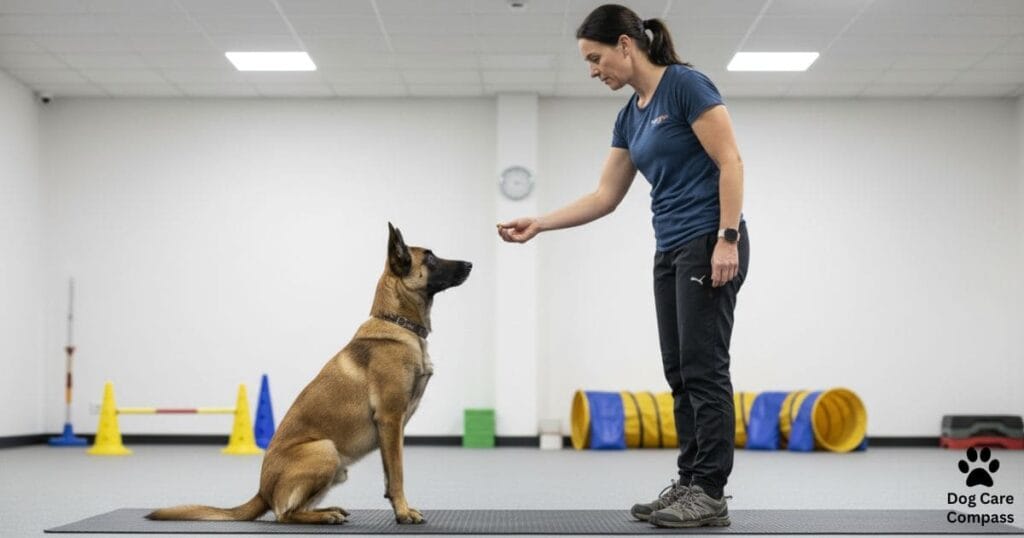
Training is absolutely mandatory for a Belgian Malinois because its intelligence and power must be guided through structured leadership and consistent daily practice.
Because of its intelligence and energy level, this breed requires structured training from puppyhood. Without training, their strength and drive can become difficult to manage.
Professional trainers often say:
A trained Belgian Malinois is powerful. An untrained one is uncontrollable.
How to Train a Belgian Malinois Effectively
The best training approach combines:
- Positive reinforcement
- Consistency
- Clear commands
- Short training sessions
Training Tips That Actually Work
✅ Start training at 8–12 weeks old
✅ Use reward-based learning (treats, praise, play)
✅ Keep sessions between 10–20 minutes
✅ Train daily — consistency matters
Avoid harsh punishment. This breed responds better to structured leadership rather than fear-based correction.
Example Training Routine (Daily Structure)
| Time | Activity |
|---|---|
| Morning | 30-minute walk + basic commands |
| Afternoon | Obedience drills + mental games |
| Evening | Play session + light training reinforcement |
This routine balances physical and mental stimulation.
Obedience Training, Protection Training & Socialization
Obedience training should focus on:
- Sit
- Stay
- Come
- Heel
- Down
- Leave it
These commands create control and discipline.
Socialization Is Critical
Early socialization prevents aggression and anxiety.
Expose your puppy to:
- Different people
- Children
- Other dogs
- Loud sounds
- Public environments
Proper socialization creates a confident and stable adult dog.
Protection Training
Many owners train Belgian Malinois for protection work.
However, protection training should always be done:
- With professional guidance
- Under controlled conditions
- After basic obedience is mastered
Never encourage uncontrolled aggression.
Advanced dog training techniques
What to Feed a Belgian Malinois (Complete Diet & Nutrition Plan)
Proper nutrition plays a critical role in maintaining muscle strength, joint health, coat quality, and long-term performance of a Belgian Malinois.
Since the Belgian Malinois is highly active, it needs a protein-rich diet with balanced nutrients.
Poor nutrition leads to:
- Low energy
- Weak muscles
- Health problems
- Poor coat condition
Best Food for Belgian Malinois
The ideal diet includes:
✔ High-quality animal protein
✔ Healthy fats
✔ Complex carbohydrates
✔ Essential vitamins & minerals
Food aggression is common in many breeds. Learn more in our guide on Why Dogs Get Aggressive Around Food.
Recommended Food Options
| Diet Type | Suitable? | Notes |
|---|---|---|
| Premium Dry Kibble | Yes | Convenient & balanced |
| Raw Diet | Yes | Requires proper planning |
| Home-Cooked Diet | ⚠ Carefully Balanced | Must include supplements |
Avoid cheap dog food with artificial fillers and low protein levels.
Look for food that contains:
- Chicken, beef, lamb, or fish as first ingredient
- Omega-3 fatty acids
- Glucosamine for joint support
Healthy diet for dogs
Best food for large breed puppies
How Much Should You Feed a Belgian Malinois?
Feeding amount depends on age, weight, and activity level.
Feeding Guide
| Age | Daily Meals | Portion Advice |
|---|---|---|
| Puppy | 3–4 meals | High-calorie puppy formula |
| Adult | 2 meals | Balanced working dog formula |
| Active Working Dog | 2–3 meals | Increased calorie intake |
Active dogs require more calories than companion dogs.
Monitor body condition regularly.
You should feel ribs but not see them clearly.
Belgian Malinois Health Issues & Disease Prevention
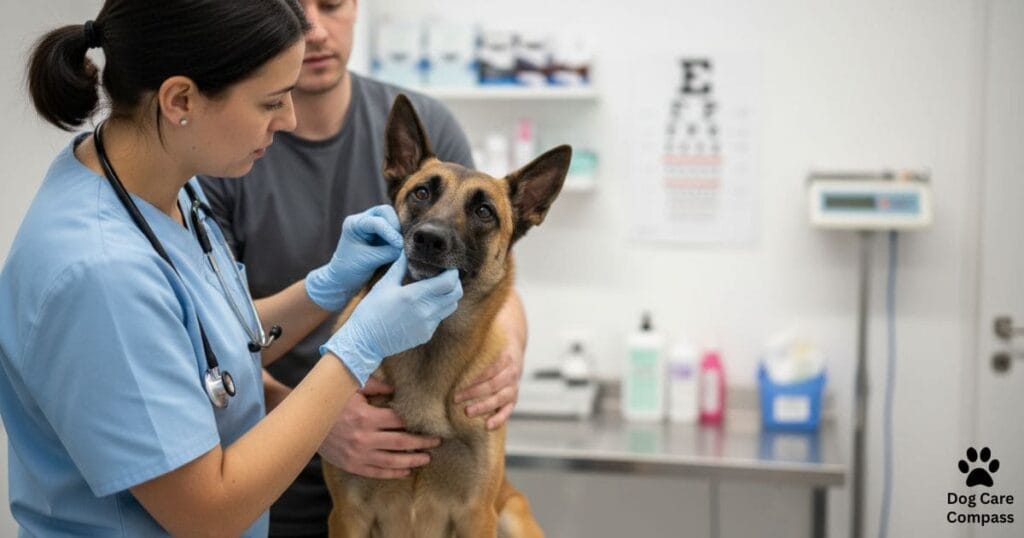
Overall, the Belgian Malinois is a healthy breed.
However, like all purebred dogs, they may develop genetic health issues.
Responsible breeders perform health testing before breeding.
Hip and Elbow Dysplasia
This condition affects joint development.
Symptoms include:
- Limping
- Difficulty standing
- Reduced activity
- Pain during movement
Prevention Tips:
✔ Maintain healthy weight Chart
✔ Avoid excessive jumping during puppy growth
✔ Provide joint supplements if recommended
Cataracts
Cataracts affect the lens of the eye and reduce vision.
Signs include:
- Cloudy eyes
- Vision difficulty
- Bumping into objects
Early veterinary detection improves management options.
Progressive Retinal Atrophy (PRA)
PRA is a genetic eye disorder that gradually causes blindness.
There is currently no cure.
However:
- Genetic testing reduces risk
- Responsible breeding lowers occurrence
Regular eye checkups help detect early symptoms.
Belgian Malinois Grooming Guide
The Belgian Malinois has a short coat that is relatively easy to maintain.
However, regular grooming improves hygiene and comfort.
Do Belgian Malinois Shed?
Yes — they shed moderately throughout the year.
They experience heavier shedding during seasonal changes.
To manage shedding:
✔ Brush 1–2 times per week
✔ Use a de-shedding tool during heavy shedding periods
Regular brushing also improves coat health.
Complete Grooming Routine
Proper grooming includes:
- Coat brushing
- Nail trimming
- Ear cleaning
- Teeth brushing
Grooming Checklist
| Task | Frequency |
|---|---|
| Brushing | Weekly |
| Nail Trimming | Every 3–4 weeks |
| Ear Cleaning | Monthly |
| Teeth Cleaning | 3x per week |
Good grooming prevents infections and discomfort.
Ideal Living Environment for a Belgian Malinois
Environment plays a huge role in behavior stability.
This breed does best in:
- Homes with large yards
- Active households
- Rural or suburban settings
Apartment Living — Is It Possible?
Apartment living is possible only if:
✔ The owner provides daily intense exercise
✔ The dog receives mental stimulation
✔ Training is consistent
Without exercise, apartment life becomes stressful for the dog.
Socialization with People & Pets
Early exposure to different environments reduces overprotective behavior.
A well-socialized Belgian Malinois:
- Interacts calmly with strangers
- Accepts other pets
- Responds to commands in public
Socialization should begin during puppyhood and continue throughout life.
Cost of Owning a Belgian Malinois
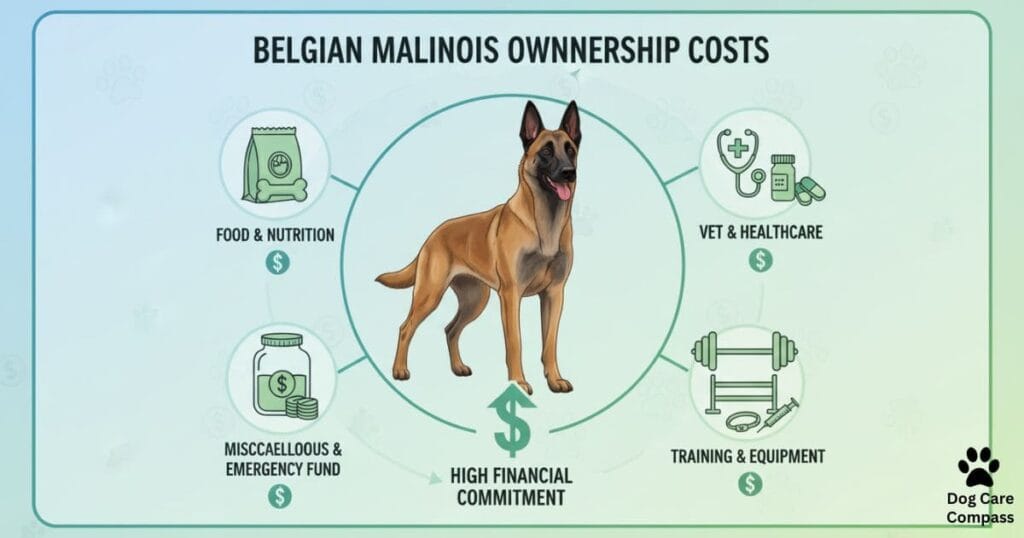
Before adopting a Belgian Malinois, owners must understand that this breed requires long-term financial investment for quality food, training, veterinary care, and professional support.
Many new owners underestimate ongoing expenses.
Puppy Price & Initial Costs
Average Price
$1000 – $3000
Additional Initial Costs
- Vaccinations
- Microchipping
- Crate
- Training equipment
- Food supplies
Initial setup may cost between $1500 – $4000 depending on setup quality.
Monthly Expenses
| Expense | Estimated Cost |
|---|---|
| Food | $50 – $150 |
| Vet Care | $20 – $80 |
| Training | $0 – $200 |
| Supplies | $20 – $50 |
Total monthly cost typically ranges between $100 – $250.
Working dogs with advanced training may cost more.
Belgian Malinois Frequently Asked Questions
Are Belgian Malinois Smart Dogs?
Yes. They rank among the most intelligent working breeds.
They quickly understand commands and perform complex tasks efficiently.
Why Are Belgian Malinois So Expensive?
They are expensive because:
High demand for working roles
Specialized breeding
Health testing requirements
Professional training investment
Their working ability increases their value.
How Long Do Belgian Malinois Live?
12 – 14 years
Proper diet, exercise, and veterinary care extend lifespan.
What health problems affect German Shepherds?
Common issues include digestive problems and joint issues — read more about gut health here.
https://dogcarecompass.com/gut-health-for-dogs/
Conclusion
The Belgian Malinois is a high-energy working breed that demands commitment, discipline, and structured training — but in return, it offers unmatched loyalty, protection, and performance.
It is a high-performance working breed that requires commitment, structure, and leadership.
When trained properly and given sufficient exercise, it becomes:
- A loyal protector
- A disciplined companion
- A powerful working partner
However, this breed is best suited for experienced owners who understand its energy level and intelligence demands.
Before bringing one home, evaluate your ability to provide daily training, mental stimulation, and physical activity.
If you meet its needs, the Belgian Malinois will reward you with unmatched loyalty and performance.