Can Dogs Have Canned Green Beans: Safe or Not, Benefits, and How to Feed
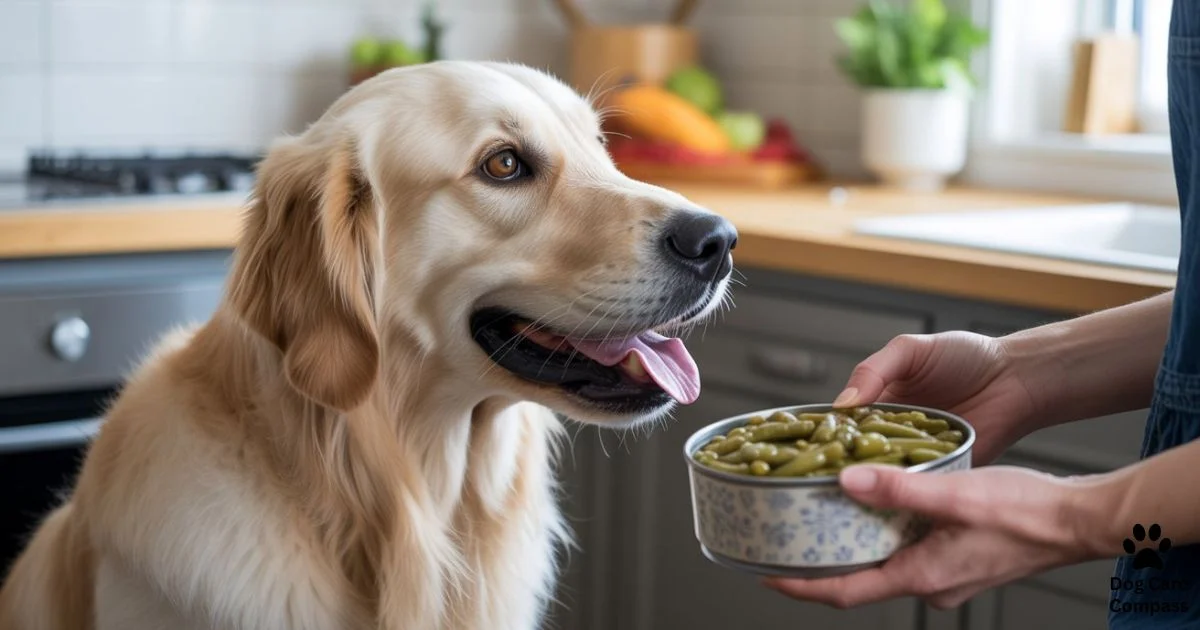
Yes, dogs can eat canned green beans — but only if they are plain, with no added salt, garlic, onion, or seasonings. Canned green beans packed in water with zero sodium are the safest option. They are low in calories, high in fiber, and make a healthy snack for most dogs. Avoid seasoned, salted, or flavored varieties completely.
Can Dogs Eat Canned Green Beans? Quick Facts:
- Plain, no-salt canned green beans = safe for dogs
- High sodium canned green beans = harmful, avoid
- Seasoned with garlic or onion = toxic, never feed
- Low calorie, high fiber snack = good for weight management
- Part of the popular “green bean diet” for overweight dogs
- Always check the ingredient label before feeding
Can Dogs Have Canned Green Beans?
If you’ve ever stood in the kitchen with a can of green beans in one hand and your dog staring up at you with those hopeful eyes — you’ve probably wondered whether it’s actually safe to share.
The short answer is yes. Dogs can have canned green beans. But the longer answer — the one that actually matters for your dog’s health — depends entirely on what’s inside that can.
Plain canned green beans with no added salt, no seasonings, and no additives are perfectly safe for dogs. They’re low in calories, packed with fiber, and contain vitamins and minerals that benefit your dog’s health. Many vets actually recommend them as a healthy treat substitute, especially for dogs on weight management programs.
The problem is that most canned green beans sitting on grocery store shelves are not plain. They’re loaded with sodium, sometimes seasoned with garlic or onion powder, and occasionally packed in flavored broth. These versions can seriously harm your dog — sodium toxicity is a real risk, and garlic and onion are genuinely toxic to dogs.
So the rule is simple: plain, low-sodium or no-sodium canned green beans only.
Nutritional Value of Green Beans for Dogs
Green beans are genuinely nutritious — for dogs and humans alike. Here’s what your dog actually gets from a serving of plain green beans:
| Nutrient | Benefit for Dogs |
|---|---|
| Fiber | Supports healthy digestion, reduces constipation |
| Vitamin C | Antioxidant support, immune health |
| Vitamin K | Supports healthy blood clotting and bone health |
| Vitamin A | Eye health, skin and coat condition |
| Manganese | Supports bone development and metabolism |
| Iron | Supports healthy red blood cells |
| Calcium | Bone and dental health |
| Protein | Small amount, supports muscle maintenance |
| Low calorie | Ideal for weight management and diet programs |
Green beans are approximately 90% water, which also means they help with hydration — especially useful in summer months or for dogs that don’t drink enough water on their own.
For an overweight dog, replacing a portion of their regular kibble with plain green beans gives them bulk and fullness without the extra calories. This is actually the basis of the popular “green bean diet” that many vets recommend for canine weight loss.
The Green Bean Diet for Dogs — Does It Work?
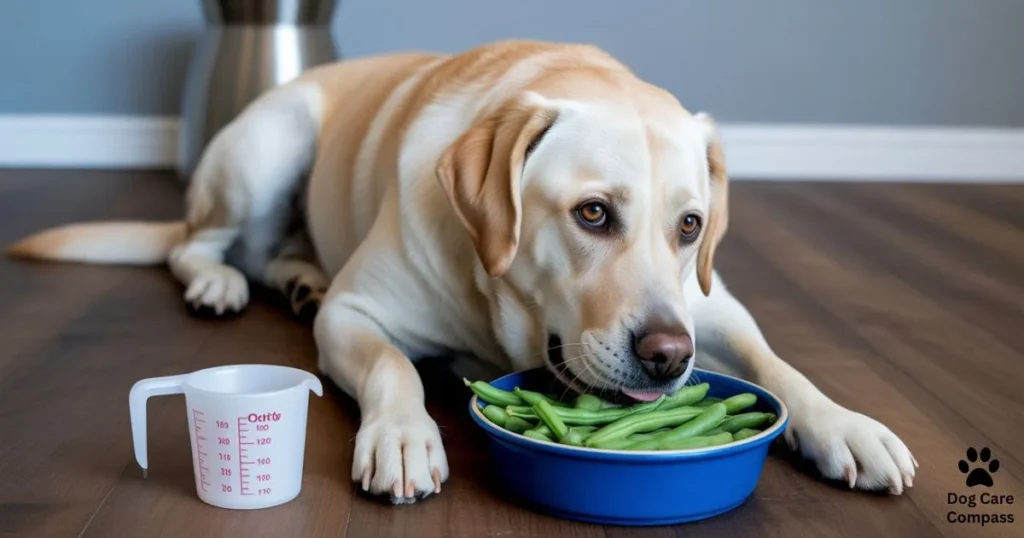
The green bean diet is one of the most commonly discussed home strategies for helping overweight dogs lose weight. The concept is straightforward: replace up to 50% of your dog’s regular food with plain green beans, reducing caloric intake while maintaining meal volume so your dog doesn’t feel hungry.
Many dog owners report genuine success with this approach. The high fiber content keeps dogs feeling full, the low calorie count creates a caloric deficit, and most dogs actually enjoy the taste.
However, it’s important to understand the limitations. Green beans are not nutritionally complete. They don’t provide everything a dog needs long-term — no balanced protein, no essential fatty acids, no complete vitamin and mineral profile. Using them as a short-term weight loss tool under vet supervision is reasonable. Using them as a permanent meal replacement is not.
If your dog needs to lose weight, speak with your vet first. They can recommend a proper weight management food or a supervised green bean program with appropriate portion ratios.
Canned vs. Fresh vs. Frozen Green Beans — Which Is Best for Dogs?
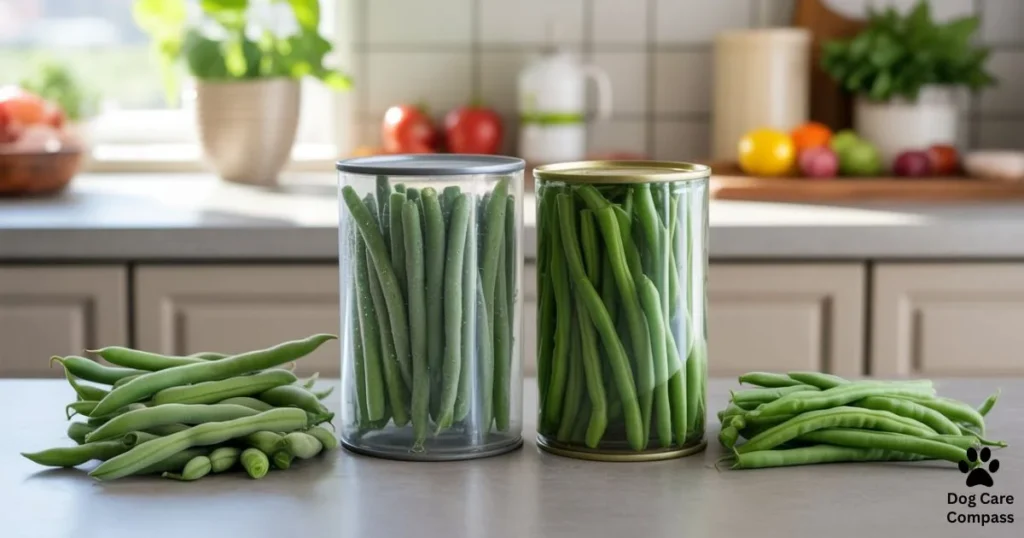
Not all green beans are equal when it comes to feeding your dog. Here’s how the three main options compare:
| Type | Safety | Nutrition | Convenience | Best For |
|---|---|---|---|---|
| Fresh green beans | Excellent | Highest | Medium | Best overall option |
| Frozen green beans (plain) | Excellent | Very high | High | Easy everyday treat |
| Canned (no salt/plain) | Good | Slightly lower | Very high | Convenient, check label first |
| Canned (with salt/seasoning) | Dangerous | Irrelevant | — | Never feed to dogs |
Fresh green beans are technically the best option — highest nutrition, no sodium concerns, no additives. But plain frozen and plain canned are both perfectly acceptable and far more convenient for most dog owners.
The key with canned green beans specifically is always checking the ingredient list. You want to see: green beans, water. That’s it. If you see salt, sodium chloride, garlic, onion, spices, or any flavoring — put it back on the shelf.
What Happens If a Dog Eats Salted Canned Green Beans?
This is where things get serious. A single accidental bite of salted green beans probably won’t cause major harm to a large dog. But regular feeding of high-sodium canned green beans — or a large serving fed to a small dog — can cause real problems.
Sodium toxicity symptoms in dogs include:
- Excessive thirst and urination
- Vomiting and nausea
- Diarrhea
- Lethargy and weakness
- Muscle tremors
- Seizures in severe cases
- Swelling (edema) — dangerous for dogs with heart conditions
Dogs with existing heart disease, kidney disease, or hypertension are at much higher risk from even moderate sodium intake. If your dog has any of these conditions, canned green beans — even low-sodium varieties — should only be fed after explicit vet approval.
If your dog accidentally ate a large amount of salted canned green beans and is showing any of the symptoms above, contact your vet or an animal poison control line immediately.
Canned Green Beans With Garlic or Onion — Never Feed These
Some canned green bean products are seasoned with garlic powder, onion powder, or both. These are genuinely toxic to dogs and must never be fed — even in small amounts.
Garlic and onion contain compounds called thiosulfates that damage red blood cells in dogs, leading to hemolytic anemia. Symptoms may not appear immediately — they can develop over several days after ingestion — which makes this particularly dangerous because owners may not connect the vomiting or lethargy to something their dog ate days earlier.
Signs of garlic or onion toxicity in dogs:
- Vomiting and diarrhea
- Lethargy and weakness
- Pale or yellowish gums
- Rapid breathing
- Reduced appetite
- Dark or reddish urine
If you suspect your dog ate green beans seasoned with garlic or onion, call your vet immediately even if your dog seems fine right now.
How to Safely Feed Canned Green Beans to Your Dog
Once you’ve confirmed the can is plain and low-sodium, here’s how to feed them safely:
Step 1 — Drain and rinse thoroughly. Even low-sodium canned green beans contain some residual sodium from the canning liquid. Draining and rinsing under cold water for 30-60 seconds reduces sodium content further.
Step 2 — Serve at room temperature or slightly warm. Very cold food straight from the fridge can cause stomach upset in some dogs, especially those with sensitive digestion.
Step 3 — Cut into appropriate pieces. For small dogs, cut green beans into smaller pieces to prevent choking. Large dogs can usually handle whole beans without issue.
Step 4 — Start with small amounts. Even safe foods can cause digestive upset when introduced suddenly. Start with a few beans and observe how your dog responds before making it a regular snack.
Step 5 — Don’t add anything. No butter, no oil, no salt, no seasoning. Plain is the only way to go.
How Many Canned Green Beans Can a Dog Eat?
Treats and snacks — including green beans — should make up no more than 10% of your dog’s daily calorie intake. The rest should come from complete, balanced dog food.
Here’s a rough guide by dog size:
| Dog Size | Weight | Suggested Serving |
|---|---|---|
| Extra small | Under 10 lbs | 1-2 beans as occasional treat |
| Small | 10-25 lbs | Small handful (4-6 beans) |
| Medium | 25-60 lbs | Moderate handful (8-10 beans) |
| Large | 60-100 lbs | Generous handful (12-15 beans) |
| Extra large | 100+ lbs | Up to quarter cup |
These are guidelines, not strict rules. Every dog is different. If your dog has digestive sensitivities, kidney issues, or heart conditions — check with your vet before adding any new food to their diet.
Dogs That Should Avoid Canned Green Beans
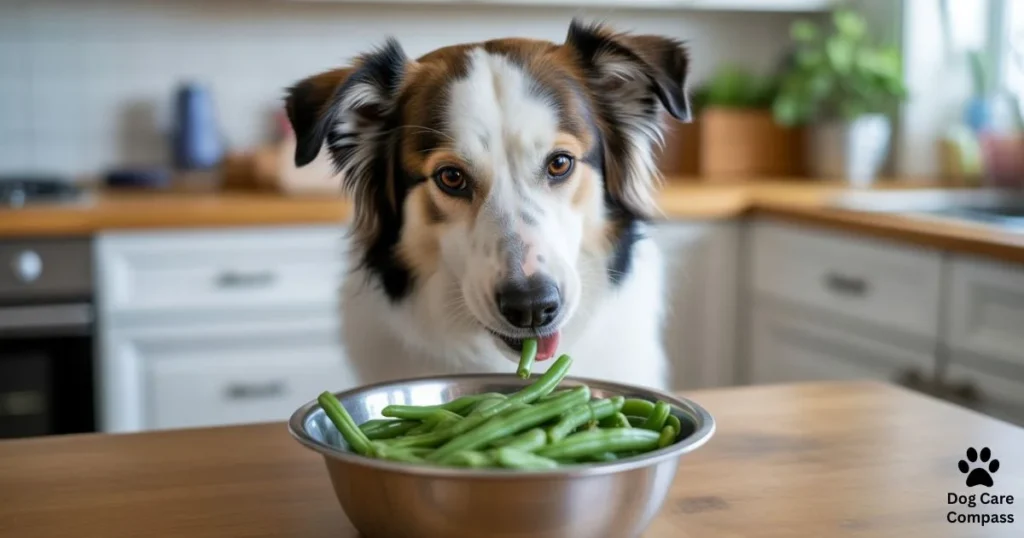
While green beans are generally safe, certain dogs should avoid them or eat them only with vet approval:
Dogs with kidney disease — Even low-sodium options contain some potassium and phosphorus, which can be problematic for dogs with compromised kidney function.
Dogs with heart disease — Sodium sensitivity is extremely high in cardiac patients. Only feed vet-approved foods to dogs on cardiac diets.
Dogs with irritable bowel or sensitive stomachs — The high fiber content can trigger diarrhea or loose stools in dogs with digestive sensitivities.
Dogs with a history of bladder stones — Green beans contain oxalates in small amounts, which may be relevant for dogs prone to calcium oxalate stones.
When in doubt, always ask your vet before introducing new foods to a dog with any existing health condition.
Other Safe Vegetables for Dogs (and Some to Avoid)
Since you’re exploring vegetables as treats, here’s a quick reference:
| Vegetable | Safe for Dogs? | Notes |
|---|---|---|
| Green beans | Yes | Plain only, low sodium |
| Carrots | Yes | Great low-calorie treat |
| Broccoli | Yes (in moderation) | Small amounts only, can cause gas |
| Sweet potato | Yes (cooked) | No seasoning, good fiber source |
| Cucumber | Yes | Excellent low-calorie snack |
| Peas | Yes | Fresh or frozen, not canned with sodium |
| Spinach | Caution | High oxalates, not ideal for frequent feeding |
| Corn (off cob) | Yes | Cob is dangerous — choking and obstruction risk |
| Onion | Never | Toxic — causes hemolytic anemia |
| Garlic | Never | Toxic — even small amounts harmful |
| Avocado | Never | Contains persin — toxic to dogs |
| Mushrooms (wild) | Never | Many species are severely toxic |
Frequently Asked Questions (FAQs)
Can dogs eat canned green beans every day?
Plain, low-sodium canned green beans can be fed as a daily treat in appropriate portions — but they should complement a complete balanced diet, not replace it. Feeding too many daily can cause loose stools due to high fiber content.
Are canned green beans good for overweight dogs?
Yes. Plain canned green beans are one of the most commonly recommended low-calorie treat substitutes for overweight dogs. Their high fiber content keeps dogs feeling full while adding very few calories. Many vets use them as part of structured weight loss programs.
Can puppies eat canned green beans?
Yes, puppies can eat plain canned green beans in very small amounts. However, puppies need nutritionally complete puppy food as their primary diet. Green beans should only be an occasional tiny treat for puppies, not a regular food item.
My dog ate canned green beans with salt — what should I do?
If your dog ate a small amount and is a medium or large dog, monitor for symptoms like vomiting, excessive thirst, or lethargy. If your dog is small, ate a large quantity, or is showing any symptoms — contact your vet immediately.
Can dogs eat canned green beans with garlic?
No. Never. Garlic is toxic to dogs and can cause hemolytic anemia. Even small amounts of garlic powder are dangerous. Check the label carefully and avoid any canned green beans with garlic or onion in the ingredients.
Do I need to cook canned green beans before feeding them to my dog?
No. Canned green beans are already cooked during the canning process. You can feed them directly after draining and rinsing. Some dogs prefer them slightly warmed, others enjoy them cold or even frozen as a summer treat.
How do I know if a canned green bean product is safe for my dog?
Check the ingredient list. You want to see only: green beans and water. If you see salt, sodium chloride, garlic, onion, spices, or any flavoring — do not feed it to your dog.
Summary: Key Takeaways
- Dogs can safely eat canned green beans — but only plain, low-sodium or no-sodium varieties
- Always drain and rinse canned green beans before feeding to reduce sodium further
- Canned green beans with salt, garlic, onion, or seasonings are harmful and must be avoided
- Green beans are low calorie, high fiber, and genuinely nutritious for dogs
- They work well as a weight management treat under vet supervision (green bean diet)
- Fresh and frozen plain green beans are nutritionally superior but canned plain is a safe convenient alternative
- Dogs with kidney disease, heart disease, or sensitive stomachs should check with a vet first
- Start with small amounts and observe your dog’s digestion before making it a regular snack
Disclaimer: This article is written for informational purposes only and reviewed against guidance from veterinary nutrition organizations including the American Veterinary Medical Association (AVMA). Always consult your licensed veterinarian before making changes to your dog’s diet. Last reviewed: May 2026.

researching veterinary sources, scientific studies, and expert
guides to bring dog owners accurate, practical information. Every
article is written with care and reviewed against credible
veterinary references including ASPCA, AKC, and peer-reviewed
literature.
- How to Stop Dog Barking at Night: 8 Proven Methods That Work - July 2, 2026
- Dog Pulls on Leash Every Walk? Fix It With This Simple Method - July 2, 2026
- How to Teach a Dog to Heel Without Treats: Step-by-Step Method - June 27, 2026