

Homemade Food for Diabetic Dogs: The Complete Nutrition Guide to Managing Blood Sugar Naturally
Finding out your dog has diabetes can feel overwhelming. Suddenly every meal becomes a decision — what’s safe, what spikes blood sugar, what helps, and what hurts. The good news is that diet is one of the most powerful tools you have for managing canine diabetes, and homemade food gives you complete control over exactly what goes into your dog’s bowl.
This guide covers everything — what diabetic dogs need nutritionally, which ingredients to use, which to avoid, complete meal recipes, feeding schedules, and how to build a long-term diet plan that works alongside your vet’s treatment.
Important note: This guide is for informational purposes only. Always work with your veterinarian before making significant changes to a diabetic dog’s diet. Diabetes management requires regular monitoring and professional guidance.
Understanding Canine Diabetes — What It Means for Diet

Canine diabetes occurs when a dog’s body cannot properly regulate blood sugar (glucose). There are two types:
Type 1 — The pancreas produces little or no insulin. Most common in dogs. Requires insulin injections for life.
Type 2 — The body produces insulin but cannot use it effectively. Less common in dogs, more common in cats.
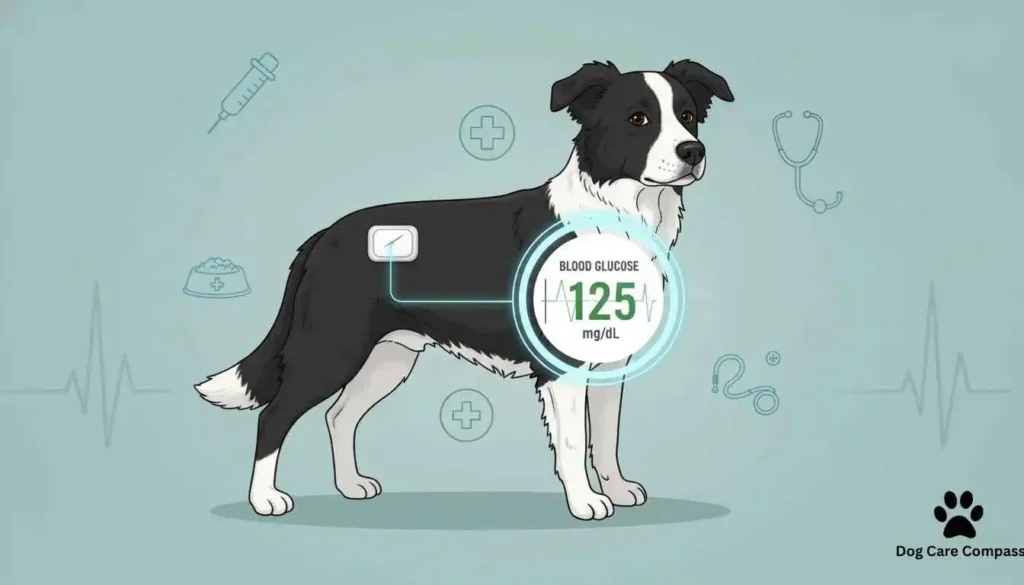
In both cases, the dietary goal is the same: keep blood sugar levels stable throughout the day. This means avoiding foods that cause sharp glucose spikes, maintaining consistent meal timing, and providing nutrients that support insulin sensitivity and overall metabolic health.
Diet alone cannot replace insulin therapy for most diabetic dogs — but the right diet can significantly reduce the amount of insulin needed and improve your dog’s quality of life dramatically.
What Diabetic Dogs Need From Their Diet
1. High Fiber — The Most Important Factor
Dietary fiber is the single most important nutritional component for diabetic dogs. Fiber slows glucose absorption in the digestive tract, preventing the sharp blood sugar spikes that occur after meals. It also improves insulin sensitivity over time.
There are two types of fiber relevant here:
- Soluble fiber — dissolves in water, forms a gel that slows digestion. Found in oats, sweet potato, and legumes.
- Insoluble fiber — adds bulk to food, speeds transit through the digestive tract. Found in vegetables like green beans and broccoli.
Both types benefit diabetic dogs, but soluble fiber has the most direct impact on blood sugar regulation.
2. Complex Carbohydrates — Not Simple Sugars
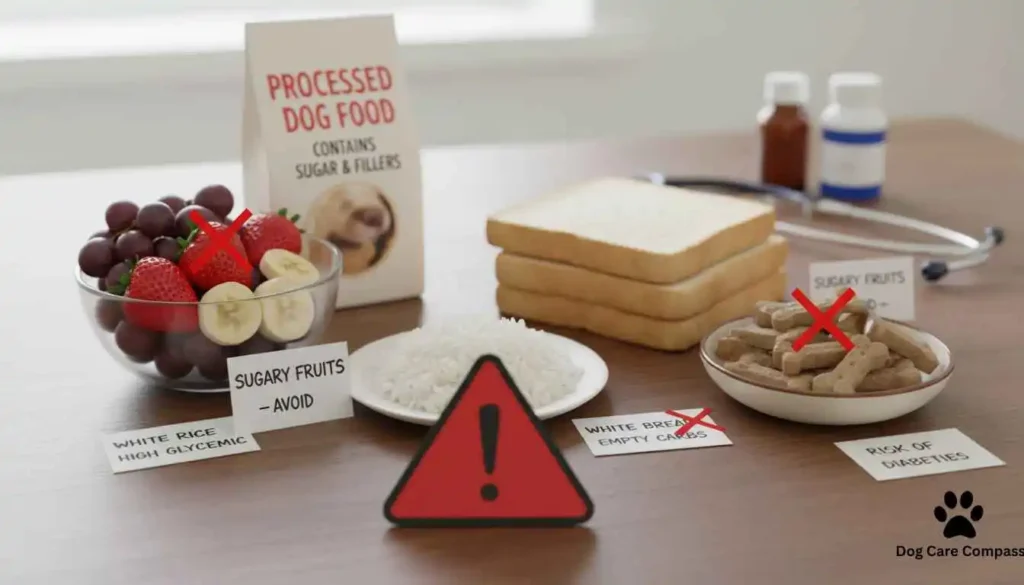
Not all carbohydrates are equal. Simple carbohydrates — white rice, white bread, sugary fruits — break down quickly and cause rapid blood sugar spikes. Complex carbohydrates break down slowly, releasing glucose gradually and keeping blood sugar stable.
For diabetic dogs, every carbohydrate source should be a complex one. This is why foods like brown rice and sweet potato are better choices than white rice or fruit juices. This principle also applies to treats — which is why we highlighted in our guide on Is Coconut Water Safe for Dogs that diabetic dogs should avoid coconut water due to its natural sugar content.
3. Lean Protein — Essential and Non-Negotiable
Protein supports muscle maintenance, immune function, and overall metabolic health. For diabetic dogs, lean protein sources are preferred over fatty cuts because excess fat can contribute to pancreatitis — a condition that is both a cause and complication of diabetes in dogs.
Best lean protein sources:
- Chicken breast (skinless)
- Turkey breast (skinless)
- White fish (cod, tilapia)
- Eggs (whole, boiled)
- Lean ground beef (drained of fat)
4. Healthy Fats — In Moderation
Fat is not the enemy for diabetic dogs — but portion control matters. Omega-3 fatty acids from sources like fish oil and flaxseed have anti-inflammatory properties that support insulin sensitivity. Avoid high-fat cuts of meat and keep overall fat content moderate.
5. Consistent Calories — Same Amount Every Meal
For diabetic dogs on insulin therapy, caloric consistency is critical. Insulin doses are calculated based on food intake. If your dog eats significantly more or less than usual, blood sugar can swing dangerously in either direction. Every meal should be as close to identical in portion size and composition as possible.
Foods to Include — Safe and Beneficial

Proteins
| Food | Why Good |
|---|---|
| Chicken breast (boiled, skinless) | Lean, complete protein, easy to digest |
| Turkey breast (boiled, skinless) | Lean, low fat, high protein |
| White fish (cod, tilapia) | Lean protein + omega-3 fatty acids |
| Eggs (boiled) | Complete protein, healthy fats, easy to prepare |
| Lean ground beef (well drained) | High protein, palatable for picky dogs |
Vegetables (Low Glycemic)
| Food | Why Good |
|---|---|
| Green beans | Very low calorie, high fiber, low glycemic |
| Broccoli | Fiber rich, antioxidants, low sugar |
| Spinach | Iron, vitamins, very low carbohydrate |
| Zucchini | Low calorie, hydrating, mild flavor |
| Cauliflower | Low carb, high fiber, good bulk food |
| Kale | Nutrient dense, low glycemic |
| Cucumber | Nearly zero calories, hydrating |
Complex Carbohydrates (Small Amounts)
| Food | Why Good |
|---|---|
| Sweet potato (plain, boiled) | Soluble fiber, slower glucose release |
| Brown rice (cooked) | More fiber than white rice, slower digestion |
| Oats (plain, cooked) | Beta-glucan soluble fiber, excellent for blood sugar |
| Lentils (cooked) | High fiber, plant protein, low glycemic |
Fiber Boosters
| Food | Why Good |
|---|---|
| Psyllium husk | Pure soluble fiber, excellent blood sugar support |
| Flaxseed (ground) | Fiber + omega-3, anti-inflammatory |
| Chia seeds (small amounts) | Soluble fiber, hydration support |
Foods to Avoid — What Spikes Blood Sugar
Absolute Avoids
| Food | Why Dangerous |
|---|---|
| Sugar in any form | Direct blood sugar spike |
| White rice | High glycemic, rapid glucose release |
| White bread or pasta | Simple carbs, rapid spike |
| Corn and corn products | High glycemic index |
| Potatoes (white) | High starch, rapid blood sugar rise |
| Fruits high in sugar | Mangoes, bananas, grapes — too much natural sugar |
| Tamarind | Very high natural sugar + strong acidity — see our complete breakdown in Can Dogs Eat Tamarind? |
| Coconut water | Natural sugars affect blood sugar — see Is Coconut Water Safe for Dogs |
| Commercial dog treats | Often loaded with sugar, corn syrup, fillers |
| Processed dog food (low quality) | Hidden sugars and high glycemic ingredients |
High Fat Foods to Limit
| Food | Why Limit |
|---|---|
| Fatty meats (lamb, pork belly) | Risk of pancreatitis |
| Cheese | High fat, high calorie |
| Butter or oil in large amounts | Excess fat load |
| Beef jerky (commercial) | Salt + fat + preservatives — details in Can Dogs Eat Beef Jerky? |
3 Complete Homemade Recipes for Diabetic Dogs
Recipe 1 — Chicken and Green Bean Bowl
Ingredients (for a 30 lb dog, one day):
- 150g chicken breast (boiled, shredded)
- 100g green beans (steamed)
- 80g broccoli (steamed)
- 50g cooked oats (plain)
- 1 teaspoon ground flaxseed
- 1 teaspoon fish oil
Instructions:
- Boil chicken breast until fully cooked — no seasoning
- Steam green beans and broccoli until tender
- Cook oats in water — plain, no additions
- Combine all ingredients and mix well
- Allow to cool completely before serving
- Add flaxseed and fish oil on top
Nutritional profile: High protein, high fiber, low glycemic, omega-3 rich
Recipe 2 — Turkey and Vegetable Stew
Ingredients (for a 30 lb dog, one day):
- 150g turkey breast (boiled, shredded)
- 80g zucchini (chopped)
- 80g spinach (steamed)
- 60g cauliflower (steamed)
- 40g cooked lentils
- 1 teaspoon ground flaxseed
Instructions:
- Boil turkey breast until fully cooked — no salt, no spices
- Steam all vegetables until soft
- Cook lentils thoroughly — they must be completely soft
- Mix everything together with a small amount of the cooking water to create a stew consistency
- Cool completely before serving
- Sprinkle flaxseed on top
Nutritional profile: Lean protein, plant fiber from lentils, very low glycemic
Recipe 3 — Fish and Sweet Potato Bowl
Ingredients (for a 30 lb dog, one day):
- 150g white fish (cod or tilapia, boiled)
- 70g sweet potato (boiled, mashed — small amount only)
- 100g green beans (steamed)
- 60g kale (steamed)
- 2 boiled eggs (chopped)
- 1 teaspoon fish oil
Instructions:
- Boil fish until fully cooked — plain, no seasoning
- Boil sweet potato and mash — keep portion small
- Steam green beans and kale
- Boil eggs separately
- Combine all ingredients and mix well
- Cool completely before serving
Nutritional profile: Omega-3 rich, complete protein from fish and eggs, soluble fiber from sweet potato
Note on sweet potato: Keep the amount small — sweet potato has more natural sugar than green vegetables. The fiber content offsets this, but portion control is important for diabetic dogs.
Feeding Schedule — Consistency Is Everything

For diabetic dogs, when you feed is almost as important as what you feed. Insulin injections are typically given at meal times — so meal timing must be consistent every single day.
Recommended Schedule
| Time | Meal | Insulin |
|---|---|---|
| Morning (7-8 AM) | 50% of daily food | As directed by vet |
| Evening (7-8 PM) | 50% of daily food | As directed by vet |
Key rules:
- Feed at exactly the same time every day — even weekends
- Split daily food into two equal meals
- Never skip a meal if insulin has been given
- If your dog refuses to eat, contact your vet before giving insulin
- Always have fresh water available
For dogs also dealing with digestive issues alongside diabetes, our complete guide on Homemade Dog Food Recipes for Sensitive Stomach has additional meal ideas that work well for sensitive digestive systems.
Portion Sizes by Dog Weight
These are approximate starting points. Your vet should confirm appropriate portions based on your dog’s specific insulin dose and current weight.
| Dog Weight | Daily Food Amount | Per Meal |
|---|---|---|
| 10 lbs (4.5 kg) | 150-180g | 75-90g |
| 20 lbs (9 kg) | 250-300g | 125-150g |
| 30 lbs (14 kg) | 350-400g | 175-200g |
| 50 lbs (23 kg) | 500-550g | 250-275g |
| 70 lbs (32 kg) | 650-700g | 325-350g |
German Shepherd owners note: German Shepherds typically fall in the 55-90 lb range. For a 70 lb German Shepherd with diabetes, daily food intake should be around 650-700g split into two equal meals. Given their active nature, consistent exercise alongside dietary management is particularly important for blood sugar control.
Supplements That Help Diabetic Dogs
Some supplements have evidence-based support for blood sugar management in dogs:
| Supplement | Benefit | Amount |
|---|---|---|
| Fish oil | Omega-3, anti-inflammatory, insulin sensitivity | 1000mg per 20 lbs |
| Ground flaxseed | Soluble fiber, omega-3 | 1 tsp per meal |
| Psyllium husk | Soluble fiber, slows glucose absorption | ¼ tsp per meal |
| Chromium | Supports insulin function | Consult vet for dose |
| Cinnamon (Ceylon only) | May support insulin sensitivity | Tiny pinch only |
Always discuss supplements with your vet before adding them — some supplements interact with insulin or other medications.
Monitoring Blood Sugar at Home
Diet changes should always be monitored through regular blood glucose checks. Your vet will advise on frequency, but general guidelines are:
- New diet introduction: Check glucose daily for the first two weeks
- Stable management: Weekly checks minimum
- Any behavior changes: Check immediately
Signs that blood sugar may be too high (hyperglycemia):
- Excessive thirst and urination
- Lethargy
- Cloudy eyes
- Weight loss despite eating well
Signs that blood sugar may be too low (hypoglycemia — emergency):
- Weakness and trembling
- Disorientation or stumbling
- Seizures
- Loss of consciousness
Hypoglycemia is a medical emergency — contact your vet immediately if these signs appear.
Transitioning to Homemade Food — Do It Slowly
Switching from commercial to homemade food too quickly causes digestive upset in any dog — but for diabetic dogs it can also disrupt blood sugar stability. Transition over 10-14 days:
| Days | Old Food | New Homemade Food |
|---|---|---|
| 1-3 | 75% | 25% |
| 4-6 | 50% | 50% |
| 7-9 | 25% | 75% |
| 10-14 | 0% | 100% |
Monitor blood glucose throughout the transition and report any significant changes to your vet.
For dogs with existing digestive sensitivity, the transition may need to be even slower. Our guide on What to Feed a Dog with Diarrhea has helpful guidance for managing digestive upset during any major diet change.
Can Diabetic Dogs Eat Jicama?
Yes — jicama is actually one of the better snack options for diabetic dogs. It has a low glycemic index, minimal natural sugar, and the prebiotic fiber (inulin) it contains may actually support more stable blood sugar levels. Always keep portions small and serve plain. Full details in our guide on Can Dogs Eat Jicama?
Frequently Asked Questions
Can homemade food cure diabetes in dogs? No. Homemade food cannot cure canine diabetes. However, the right diet can significantly improve blood sugar stability, reduce insulin requirements, and dramatically improve your dog’s quality of life alongside proper veterinary treatment.
How often should I feed a diabetic dog? Twice daily — at exactly the same times each day. Consistency in meal timing is critical for insulin management. Never skip meals if insulin has been administered.
Can diabetic dogs eat fruit? Most fruits are too high in natural sugar for diabetic dogs. Small amounts of low-sugar fruits like blueberries or raspberries are occasionally acceptable but should not be regular treats. High-sugar fruits like mangoes, bananas, and grapes should be avoided entirely.
Is sweet potato good for diabetic dogs? In small amounts, yes. Sweet potato contains soluble fiber that slows glucose absorption. However, it does contain natural sugars, so portions must be kept small — it should be a minor component of a meal, not the main carbohydrate base.
Can diabetic dogs eat rice? Brown rice in small amounts is acceptable — it has more fiber than white rice and a lower glycemic index. White rice should be avoided as it causes rapid blood sugar spikes.
My diabetic dog also has acid reflux — what do I do? Managing both conditions simultaneously requires careful ingredient selection. Our guide on Best Dog Food for Acid Reflux covers the dietary principles for acid reflux that you can combine with the diabetic guidelines above. Always consult your vet for specific guidance on managing multiple conditions.
Is commercial diabetic dog food better than homemade? Not necessarily. Many commercial diabetic dog foods contain higher fiber content but may still include ingredients that are not ideal. Homemade food gives you complete control over ingredients and quality. The key is ensuring nutritional completeness — which is why vet guidance is essential.
Can diabetic dogs eat eggs? Yes. Eggs are an excellent protein source for diabetic dogs — they have virtually zero carbohydrates, are highly digestible, and provide complete amino acid profiles. Boiled eggs are the best preparation method.
Final Thoughts
Managing diabetes in dogs through diet is one of the most impactful things you can do as an owner. The right homemade food — built around high fiber vegetables, lean protein, complex carbohydrates, and healthy fats — gives your dog stable blood sugar, better energy, and a significantly improved quality of life.
The three recipes in this guide are solid starting points. Rotate between them to keep meals interesting, adjust portions based on your dog’s weight and insulin requirements, and always feed at exactly the same times each day.
Most importantly — work closely with your vet. Regular glucose monitoring, insulin adjustments, and professional guidance are essential parts of diabetes management that no diet guide can replace.
Your dog is lucky to have an owner who cares enough to learn. That commitment makes all the difference.
For more dog nutrition guides and health resources, explore the full library at dogcarecompass.com.
Pingback: Can Dogs Eat Durian? Safe or Dangerous for Dogs (Vet Guide) - Dog Care Compass
Pingback: Can Dogs Eat Dragon Fruit? Everything You Need to Know Before Sharing - Dog Care Compass
Pingback: Can Dogs Eat Lychee? What Every Dog Owner Should Know Before Sharing - Dog Care Compass
Pingback: Can Dogs Eat Guava? Benefits, Risks & Safe Portions - Dog Care Compass