
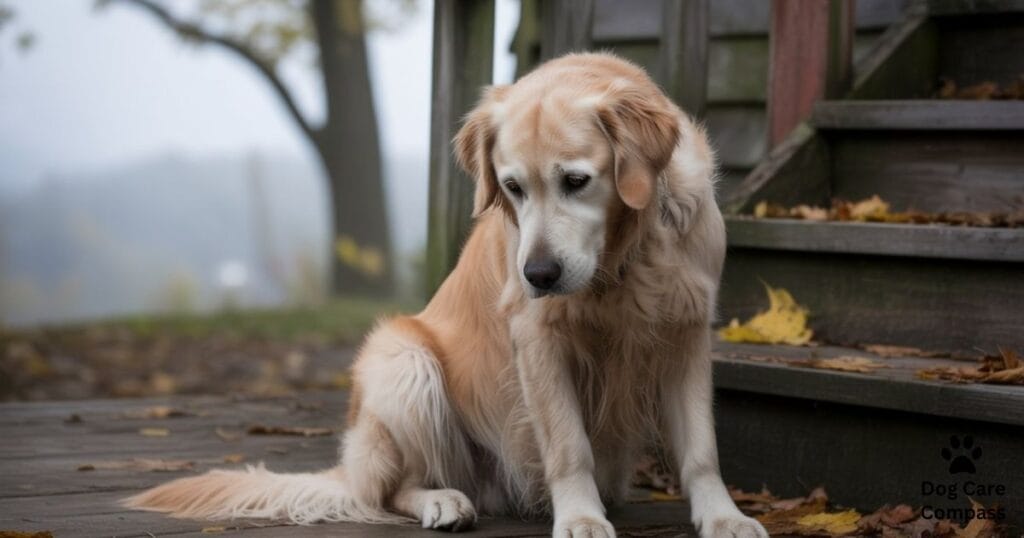
When your dog with diarrhea, it can be worrying and confusing. Passing loose stools in dogs or liquid bowel movements is often a sign of canine gastrointestinal upset. While it is usually not life-threatening, persistent diarrhea can lead to dehydration, dog gut inflammation, and nutrient loss if not addressed promptly.
Causes range from dietary indiscretion in pets and sudden food changes to infections, parasites, or stress-related issues. Puppies and senior dogs are especially vulnerable. Understanding why your dog develops diarrhea and knowing how to care for them at home, along with timely veterinary guidance, is essential to keep your pet healthy and comfortable.
Digestive issues are common in active breeds like German Shepherds and other working dogs that require structured nutrition.
Understanding Dog With Diarrhea
Dog diarrhea occurs when your pet passes liquid bowel movements more often than usual. It may involve changes in consistency, frequency, or color. While occasional diarrhea may resolve on its own, persistent cases signal canine gastrointestinal upset. Causes can range from dietary indiscretion to serious conditions like inflammatory bowel disease in dogs or infections.
Diarrhea impacts hydration and nutrient absorption. Signs like abdominal distention, decreased appetite, or vomiting indicate your dog may be struggling. It is important to monitor your dog closely. Tracking symptoms helps distinguish chronic vs acute diarrhea, guiding whether home care is sufficient or a veterinarian visit is needed.
Common Causes of Dog Diarrhea
Diarrhea causes in dogs are varied. Often, dogs suffer due to dietary indiscretion in pets, such as eating trash, human food, or spoiled items. Food allergies in dogs can also trigger diarrhea and discomfort. Sudden changes in diet or food sensitivity can upset the dog gastrointestinal (GI) tract.
Feeding unsafe fruits or wrong food can also trigger stomach upset.
Infections are another common cause. Canine infection and diarrhea may result from bacteria or viruses, including parvovirus in puppies. Intestinal parasites in dogs, such as giardia, coccidia, hookworms, roundworms, whipworms, can also lead to digestive upset. Environmental toxins or toxic ingestion in dogs like chocolate or medications can trigger sudden dog vomiting and diarrhea.
Severe infections and vomiting symptoms should never be ignored in active breeds.
Types of Dog Diarrhea
Understanding diarrhea types helps choose the right treatment. Osmotic diarrhea happens when water enters the GI tract, often from lactose intolerance or high-fat meals. Dogs will have very loose liquid bowel movements. Secretory diarrhea occurs due to infections or toxins and does not improve with fasting.
Exudative diarrhea results from damage to the intestinal lining, producing mucus or blood in stools. Rapid intestinal transit diarrhea happens when the colon pushes contents too fast, leaving watery stools. Knowing whether diarrhea is acute vs chronic diarrhea guides care and treatment plans.
Is Dog Diarrhea an Emergency?
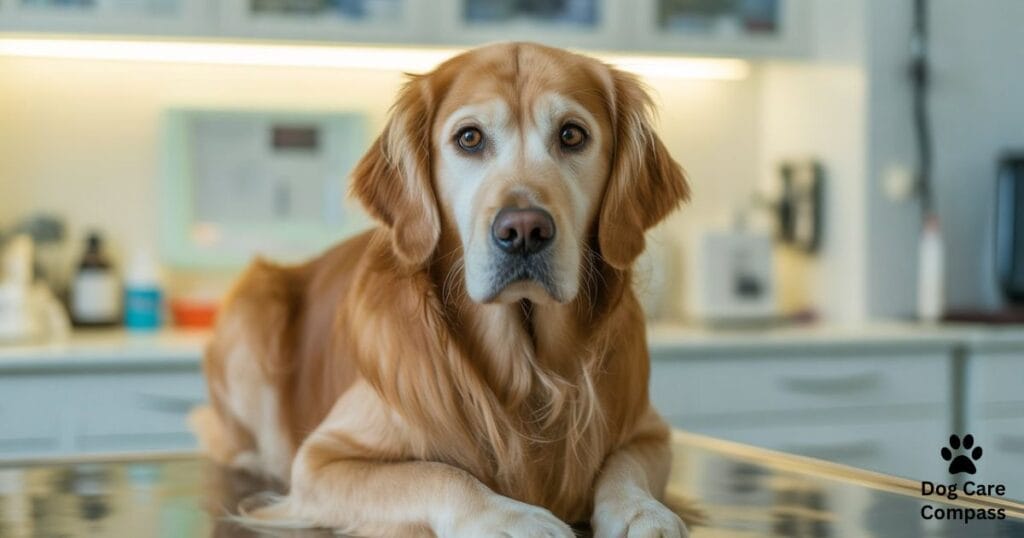
Mild diarrhea may not require immediate care, but senior dog diarrhea or puppy diarrhea causes often demand urgent attention. Seek help if your dog shows vomiting, fever in dogs, lethargy, or abdominal distention. Signs of severe dehydration, such as dry gums or sunken eyes, are critical warning signs.
Emergencies also include foreign body ingestion, toxic ingestion in dogs, or persistent diarrhea lasting more than 48 hours. Rapid veterinary intervention can prevent complications like GI tract blockage in dogs or severe dog gut inflammation.
When to See a Veterinarian
A vet visit is essential if diarrhea persists or if your dog shows systemic signs. Puppies, seniors, or dogs with existing conditions are especially vulnerable. Your veterinarian can identify dietary indiscretion, infection (bacterial, viral), parasites (giardia, coccidia, hookworms, roundworms, whipworms), or stress-related diarrhea.
Even if symptoms seem mild, professional assessment can detect underlying issues. Tests like a veterinary fecal exam or blood work help evaluate pet digestive health. Sometimes, an elimination diet trial or prescription veterinary diet is recommended to manage sensitivities and restore normal digestion.
Diagnosing Dog Diarrhea
Vets start with a thorough history and physical exam to identify causes. Blood work and fecal exams check for parasites, infection (bacterial, viral), or organ dysfunction. Puppies may need a parvovirus in puppies test, and X-rays can detect GI tract blockage in dogs.
Advanced diagnostics include intestinal biopsy or imaging for chronic issues. A food elimination trial can uncover food sensitivity. Accurate diagnosis ensures proper treatment and reduces the risk of recurring dog diarrhea.
Initial Home Care Steps
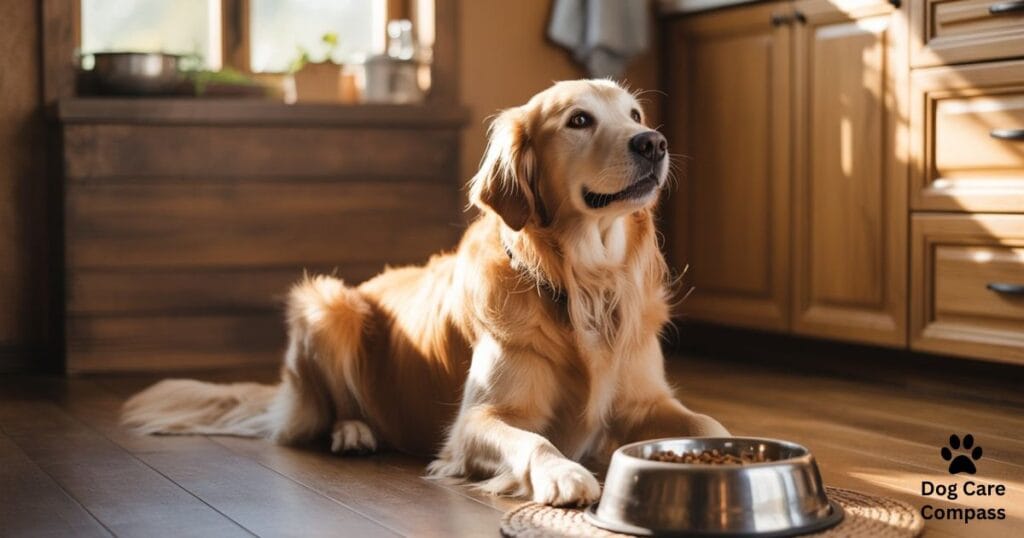
Short-term fasting allows the dog gastrointestinal (GI) tract to rest. Small amounts of water should always be available to maintain hydration. Encourage your dog to drink and monitor for signs of dehydration or lethargy.
You can also offer bland foods gradually. Avoid sudden changes or rich meals. Temporary fasting and fresh water access often help resolve mild diarrhea caused by dietary indiscretion in pets or minor stress.
Switching to a Bland Diet
A bland diet eases canine gastrointestinal upset and helps heal the gut. Recommended foods include boiled chicken with rice, boiled turkey, or lean ground beef. Prescription foods like hydrolyzed protein dog food are also effective.
The goal is to reduce irritation and restore pet digestive health. Feeding smaller portions over multiple meals can gradually normalize loose stools in dogs while ensuring proper nutrition.
Feeding Schedule and Quantities
Start with small, frequent meals to avoid overwhelming the dog gastrointestinal (GI) tract. Gradually increase portion sizes as diarrhea improves. Tracking appetite and stool consistency helps determine the right feeding amount.
Consistency is key. Sudden changes can trigger more diarrhea. A structured schedule prevents stress-related diarrhea and supports recovery from dog gut inflammation.
Hydration and Electrolyte Management
Hydration is essential when diarrhea causes fluid loss. Signs like sunken eyes, dry gums, or weakness indicate dehydration. Encourage drinking and provide oral electrolyte solutions if needed.
Broths or diluted fluids can help maintain electrolyte balance. Proper hydration prevents complications such as dog pancreatitis symptoms or kidney stress, especially in senior dog diarrhea or chronic diarrhea cases.
Using Probiotics and Supplements
Probiotics restore beneficial bacteria to the dog gastrointestinal (GI) tract. They reduce dog gut inflammation and support faster recovery from diarrhea. Supplements like veterinary-approved probiotics or fermented foods can improve digestion and microbiome balance.
Prescription supplements sometimes accompany hydrolyzed protein dog food diets. They help manage chronic vs acute diarrhea and prevent relapses caused by infections or food sensitivity.
Foods to Avoid During Recovery
Avoid fatty foods, dairy, human snacks, bones, or raw meat while your dog recovers. These can worsen dog diarrhea or trigger vomiting. Foods that are hard to digest may prolong canine gastrointestinal upset.
Gradually reintroduce normal foods once stools normalize. Monitor for dietary indiscretion or recurring diarrhea. Using a prescription veterinary diet often prevents flare-ups in sensitive dogs.
Prevention Tips for Dog Diarrhea
Preventive strategies include slow diet transitions, avoiding table scraps, and maintaining a consistent feeding schedule. Keep your dog’s environment clean and monitor for parasites (giardia, coccidia, hookworms, roundworms, whipworms).
Routine vet visits and vaccination help prevent infections. Reducing stress, such as avoiding sudden environmental changes, can also prevent stress-related diarrhea. Balanced nutrition ensures long-term pet digestive health.
Regular training and stress management also reduce digestive flare-ups in high-energy breeds.
Recovery and Monitoring
Monitor your dog’s stool consistency, behavior, and appetite daily. Persistent diarrhea or recurrence warrants a vet visit. Recovery can take days or weeks, depending on the cause.
Tracking improvement ensures early detection of complications such as GI tract blockage in dogs or dog pancreatitis symptoms. Careful observation and proper nutrition help your dog return to normal quickly, maintaining optimal pet digestive health.
Breed-specific health concerns can also affect digestion in large dogs.
Example Table: Bland Diet Options for Dogs with Diarrhea
| Food Type | Preparation | Benefits |
|---|---|---|
| Boiled Chicken & Rice | No seasoning | Eases digestion, reduces dog gut inflammation |
| Boiled Turkey & Rice | Lean protein | Restores nutrients, gentle on GI tract |
| Lean Ground Beef & Rice | Low fat | Supplies protein without irritation |
| Hydrolyzed Protein Dog Food | Prescription diet | Controls food sensitivity and chronic diarrhea |
FAQ
What do I give my dog for diarrhea?
Feed a bland diet like boiled chicken and rice, lean turkey, or a hydrolyzed protein dog food, and ensure plenty of hydration.
Should I be worried if my dog has diarrhea but is acting fine?
Mild diarrhea may resolve at home, but watch for persistent loose stools in dogs or changes in appetite, behavior, or energy.
How long should diarrhea last in dogs?
Most mild cases improve within 24–48 hours, but chronic or recurring diarrhea needs veterinary evaluation.
Why is my dog pooping liquid and diarrhea?
Causes include dietary indiscretion, infections (bacterial, viral), parasites, or stress affecting the dog gastrointestinal (GI) tract.
What does concerning dog diarrhea look like?
Bloody, mucous-filled, or watery stools with vomiting, lethargy, fever in dogs, or abdominal distention are warning signs.
What human foods stop dog diarrhea?
Bland foods like boiled rice, chicken, pumpkin, or small amounts of plain yogurt can help firm stools.
Can a dog recover from diarrhea?
Yes, most dogs recover with proper hydration, a bland diet, and treatment of the underlying cause.
Pingback: Belgian Malinois Dog: Complete Owner’s Guide 2026 (Training, Temperament, Diet, Cost & Care) - Dog Care Compass
Pingback: Can Dogs Eat Tamarind? Risks, Safe Amounts & Better Alternatives - Dog Care Compass
Pingback: Is Coconut Water Safe for Dogs? Benefits, Risks & How Much to Give - Dog Care Compass