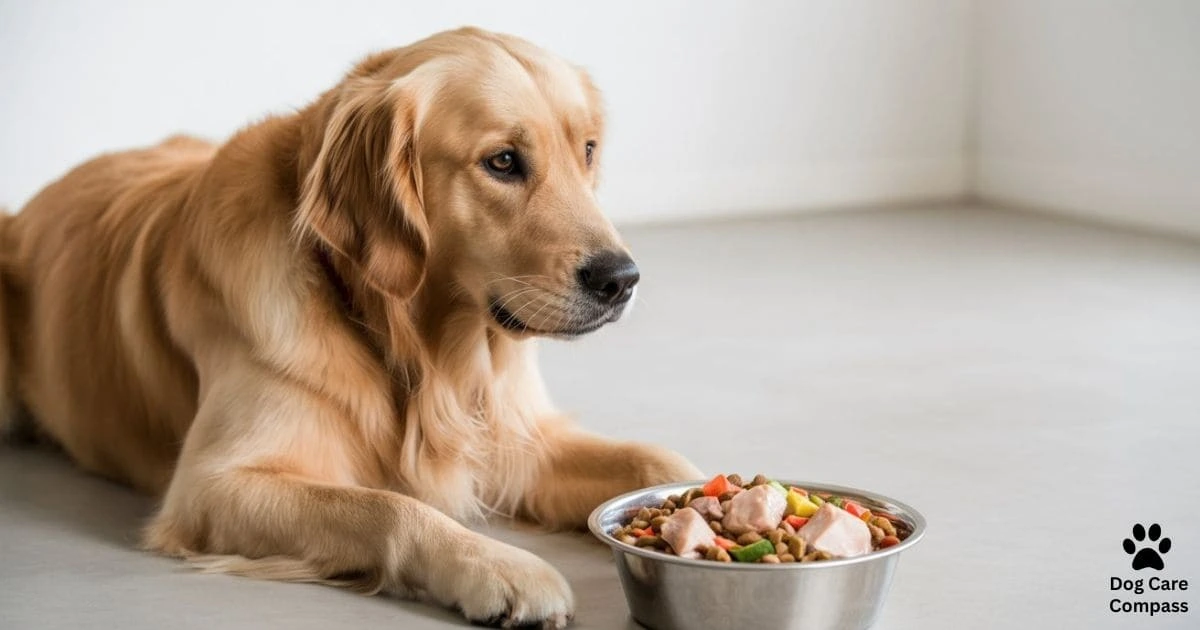
Homemade Dog Food for German Shepherd Puppy Weight Gain
Feeding your German Shepherd puppy the right food is essential for healthy weight gain for large breed puppies. Many owners struggle to find the perfect balance between calories and nutrients, especially during rapid German Shepherd puppy growth stages. Homemade meals allow you to control ingredients, ensuring a balanced diet for German Shepherd puppy that supports muscle mass development, skeletal growth, and strong joints.
With the right vet approved homemade puppy food, your puppy can gain weight safely without the risks associated with overfeeding or low-quality commercial foods. This guide will help you create high-calorie dog food for puppies that promotes long-term health and vitality.
Why Weight Gain Is Critical for German Shepherd Puppies
Weight gain in a large breed puppy is essential for long-term health. German Shepherd puppy growth stages are rapid, and insufficient calories or poor nutrition can stunt skeletal growth. Slow growth can increase the risk of hip dysplasia prevention issues and delayed joint development. Ensuring proper weight gain supports strong bones, healthy joints, and muscle mass development needed for a working dog breed.
Healthy growth depends not just on calories but also on protein rich dog food homemade options that provide essential amino acids. Puppies that gain weight at a steady pace develop better body condition score (BCS) and are less prone to obesity or digestive problems. Owners should focus on natural weight gain food for puppies that combines high-quality proteins, fats, and carbohydrates in a digestible form for optimal health.
How Much Should a German Shepherd Puppy Weigh?
Knowing the ideal weight is vital to monitor healthy weight gain for large breed puppies. A German Shepherd puppy weight chart shows typical weight ranges for each growth stage. For example, at 8 weeks, puppies may weigh 15 to 20 pounds. By 16 weeks, they usually reach 30 to 35 pounds. Tracking this helps ensure the puppy is gaining weight safely without overfeeding.
| Age (Weeks) | Weight Range (lbs) | Notes |
|---|---|---|
| 8 | 15–20 | Early growth stage |
| 12 | 22–28 | Rapid skeletal growth |
| 16 | 30–35 | Muscle mass development |
| 20 | 38–45 | Large breed puppy nutrition critical |
Feeding too little can slow growth rate regulation, while too much may harm joint development. The goal is steady progress using a balanced diet for German Shepherd puppy that covers calorie needs for German Shepherd puppy.
Nutritional Requirements for Healthy Weight Gain
German Shepherd puppies need a precise balance of nutrients. Animal protein supports muscle mass development, while healthy fats for dogs provide energy for daily activity. Adequate calcium to phosphorus ratio ensures skeletal growth, and DHA for puppies supports brain and vision development. Each meal should include digestible carbohydrates for energy and essential amino acids for overall health.
The metabolizable energy of the food is critical. Puppies require high-calorie meals to gain weight safely. Owners should include omega-3 fatty acids for joint development and probiotic support to aid digestion. A German Shepherd puppy diet plan must combine these nutrients to promote hip dysplasia prevention and long-term growth rate regulation.
Best High-Calorie Ingredients for Homemade Dog Food
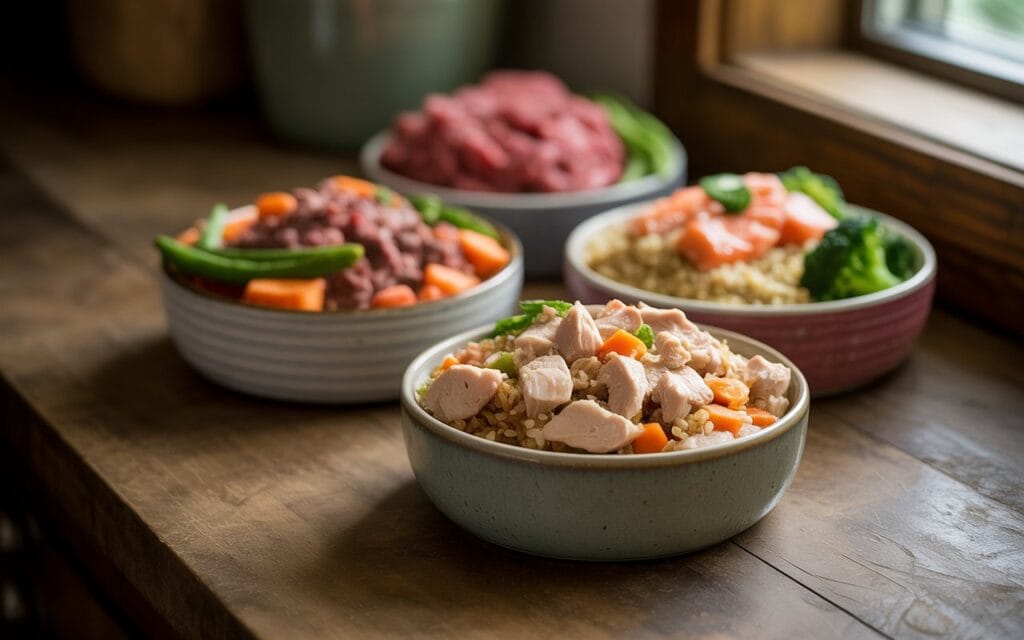
Certain ingredients provide the calories and nutrients needed for healthy weight gain for large breed puppies. Chicken, beef, and salmon are excellent animal protein sources that boost muscle mass development. Eggs and cottage cheese add protein and healthy fats, while sweet potatoes, rice, and oats give digestible carbohydrates for energy.
| Ingredient | Benefits | Notes |
|---|---|---|
| Chicken | Protein for muscles | Lean source |
| Beef | Muscle & calorie dense | Digestible |
| Salmon | Omega-3 fatty acids | Supports joints |
| Eggs | Protein + fats | Easily digestible |
| Sweet Potato | Digestible carbs | Energy source |
| Rice | Digestible carbs | Gentle on stomach |
Adding olive oil or fish oil improves healthy fats for dogs and supports joint development. Owners can mix protein rich dog food homemade ingredients to create a natural weight gain food for puppies.
Easy Homemade Dog Food Recipes for Weight Gain
One popular homemade puppy food recipe combines chicken, rice, and sweet potato cooked with a teaspoon of olive oil. This provides animal protein, digestible carbohydrates, and healthy fats for dogs in every serving. Another recipe uses ground beef, oatmeal, and pumpkin, offering a calorie-dense, palatable meal for picky eaters.
For variety, you can make salmon and egg mash enriched with omega-3 fatty acids and DHA for puppies. Each recipe must be adjusted to meet calorie needs for German Shepherd puppy and divided according to the puppy feeding schedule German Shepherd. These meals support muscle mass development, skeletal growth, and overall health for working dog breed puppies.
Foods to Avoid for German Shepherd Puppies
Certain foods can harm German Shepherd puppy growth stages. Chocolate, grapes, onions, and artificial sweeteners are toxic. Feeding these can damage kidneys, liver, or digestive systems. Even small amounts may cause long-term issues in large breed puppy nutrition.
Avoid processed snacks with low nutritional value, as they can disrupt growth rate regulation. Instead, focus on vet approved homemade puppy food and safe treats like plain pumpkin or boiled chicken. These choices support hip dysplasia prevention, joint development, and healthy muscle mass development.
Feeding Schedule for Maximum Healthy Growth
Young German Shepherd puppies should eat 3–4 meals per day to promote healthy weight gain for large breed puppies. Dividing food into smaller meals improves digestion and reduces risk of bloating. Older puppies can transition to 2–3 meals as they grow.
A proper puppy feeding schedule German Shepherd ensures adequate calorie needs for German Shepherd puppy. Monitoring each meal’s portion supports body condition score (BCS) and prevents overfeeding. Consistency in feeding helps regulate growth rate regulation and supports skeletal growth and muscle mass development.
Common Reasons Your Puppy Is Not Gaining Weight
Slow weight gain in German Shepherd puppies often results from underlying issues. Parasites, digestive problems, illness, or stress can affect large breed puppy nutrition. Picky eating or insufficient calories from low-quality food can also slow growth.
Monitoring body condition score (BCS) helps identify issues early. Owners should consult a vet if weight gain stalls despite using protein rich dog food homemade meals and natural weight gain food for puppies. Correcting these issues supports joint development, skeletal growth, and overall muscle mass development.
Supplements That Support Safe Weight Gain
Safe supplements can boost healthy weight gain for large breed puppies. Fish oil provides omega-3 fatty acids, promoting joint development and skin health. Probiotics support digestion, while multivitamins ensure the puppy gets all essential amino acids.
Owners can also consider DHA for puppies supplements to enhance brain and eye development. Supplements should complement a vet approved homemade puppy food diet and meet calorie needs for German Shepherd puppy. These additions help maintain a balanced large breed puppy nutrition plan and improve body condition score (BCS).
Homemade vs Commercial Food for Weight Gain
Homemade meals give owners control over nutrients and animal protein, ensuring healthy weight gain for large breed puppies. You can adjust calorie needs for German Shepherd puppy and include protein rich dog food homemade options. Commercial foods are convenient but may contain fillers and lower-quality ingredients.
Choosing between homemade and commercial food depends on budget, convenience, and your puppy’s digestive tolerance. Many owners combine both to provide a balanced diet for German Shepherd puppy. The key is maintaining nutrient density, digestibility, and supporting hip dysplasia prevention, joint development, and skeletal growth for long-term health.
Final Tips for Successful Weight Gain
Tracking your German Shepherd puppy growth stages is essential for healthy weight gain for large breed puppies. Feed consistently, measure portions, and monitor body condition score (BCS). Always consult a vet when adjusting meals or adding supplements. With a vet approved homemade puppy food plan, your working dog breed puppy will grow strong, active, and healthy, ensuring a bright future.
Frequently Asked Questions (FAQ)
How can I fatten up a German Shepherd puppy safely?
Feed high-calorie, protein-rich homemade meals and follow a puppy feeding schedule German Shepherd with vet guidance.
Can I use commercial food for weight gain?
Yes, but it should be high-quality and combined with homemade puppy food recipe to ensure nutrient-rich meals.
What foods should I avoid for my puppy?
Chocolate, grapes, onions, artificial sweeteners, and processed snacks can harm large breed puppy nutrition and joint development.
How often should I feed my German Shepherd puppy?
Feed 3–4 meals per day for young puppies, reducing to 2–3 meals as they grow, following their growth stages.
Conclusion
Providing the right nutrition is the key to healthy weight gain for large breed puppies. Using vet approved homemade puppy food with high-quality animal protein, digestible carbohydrates, and healthy fats for dogs helps your German Shepherd grow strong, develop proper muscle mass development, and maintain a good body condition score (BCS). Monitoring their growth with a German Shepherd puppy weight chart and following a structured puppy feeding schedule German Shepherd ensures they meet their growth rate regulation safely.
Combining homemade puppy food recipes, safe supplements like omega-3 fatty acids and DHA for puppies, and avoiding harmful foods guarantees optimal skeletal growth, joint development, and long-term health. By following these guidelines, you can give your working dog breed puppy the best start in life, helping them thrive into a strong, healthy adult dog ready for play, training, and companionship.

researching veterinary sources, scientific studies, and expert
guides to bring dog owners accurate, practical information. Every
article is written with care and reviewed against credible
veterinary references including ASPCA, AKC, and peer-reviewed
literature.
- How to Stop Dog Barking at Night: 8 Proven Methods That Work - July 2, 2026
- Dog Pulls on Leash Every Walk? Fix It With This Simple Method - July 2, 2026
- How to Teach a Dog to Heel Without Treats: Step-by-Step Method - June 27, 2026