
The Ultimate Guide to Belgian Malinois Training is designed for owners who want structured, results-driven methods tailored to this elite working breed. Known for their intelligence, speed, and intense drive, the Belgian Malinois temperament demands consistent leadership and purposeful engagement. Without proper structure, behavioral issues can emerge quickly due to their high energy levels.
Regular exercise and activities are key to managing this. Long walks, runs, and interactive play will help your dog release excess energy, especially for active breeds like the German Shepherd.
This guide explains proven Belgian Malinois training tips, practical obedience drills, and early Belgian Malinois puppy training foundations. You will also understand the importance of Belgian Malinois obedience training and daily routines that satisfy their strong Belgian Malinois exercise requirements, ensuring mental stability, control, and long-term performance reliability.
Ultimate Guide to Belgian Malinois Training: Techniques & Tips for Success
Introduction to Belgian Malinois Training
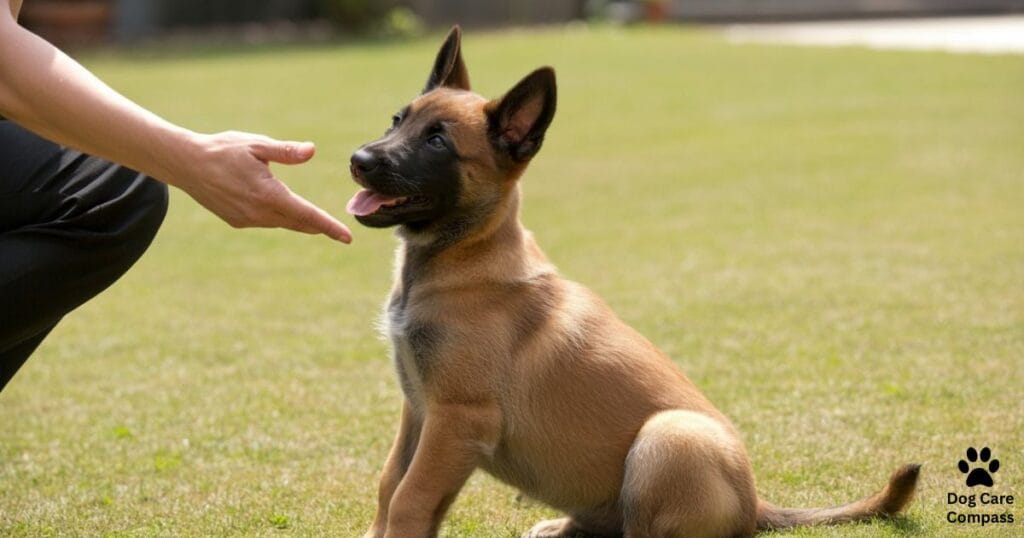
When it comes to training a Belgian Malinois, it’s important to start early. This breed is highly intelligent and quick to learn, but they also have a lot of energy and drive, which can make training a challenge for first-time owners. Early training is essential for ensuring that your Belgian Malinois grows into a well-behaved, obedient dog.
Why Belgian Malinois Are Great Pets for Training
The Belgian Malinois dog breed is known for its strong work ethic and desire to please. Their Belgian Malinois temperament makes them incredibly responsive to training. They thrive in environments where they are given tasks to do and are praised for completing them. With the right training, a Belgian Malinois can excel in obedience, agility, and even specialized tasks such as search and rescue or protection.
The Importance of Early Training for Belgian Malinois
Starting training at an early age is crucial for Belgian Malinois puppies. The earlier they are exposed to basic commands and socialization, the easier it will be to manage their energy and behavior as they grow. Early training helps prevent undesirable behaviors, such as excessive barking or chewing, from becoming ingrained.
Understanding the Belgian Malinois Breed
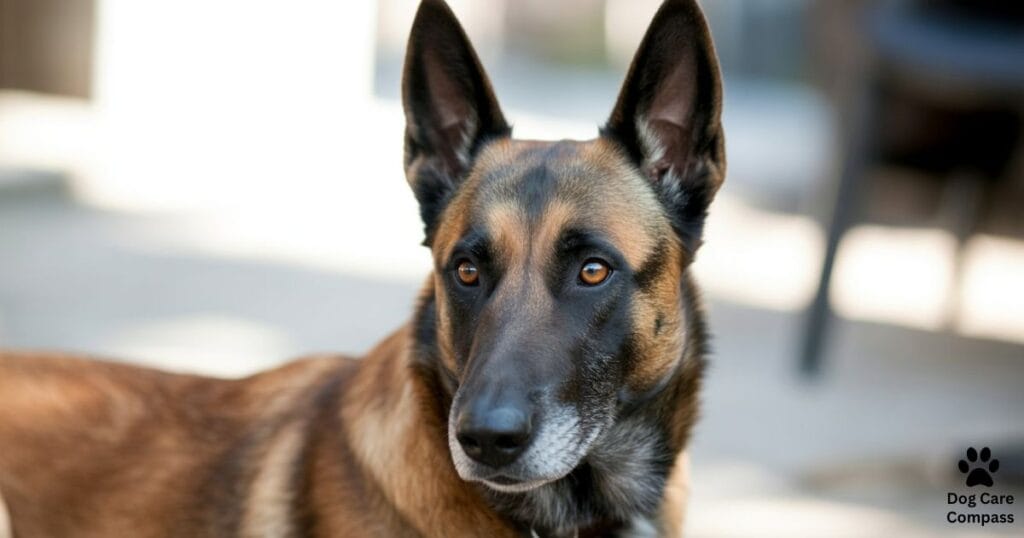
Before diving into training, it’s important to understand the Belgian Malinois characteristics. These dogs are highly energetic, intelligent, and focused. Knowing more about their personality traits will help you create a training plan that works with their natural instincts.
If you want a deeper comparison between powerful working breeds, you can also explore the differences between German Shepherds and wolves.
Key Characteristics of Belgian Malinois
The Belgian Malinois is a medium-sized dog, typically weighing between 40 to 80 pounds. They have a short, dense coat that requires minimal grooming. They are known for their high energy levels and need for mental stimulation. Belgian Malinois are incredibly loyal to their families and can be protective of their home, making them great working dogs and guard dogs. However, this can also lead to behavioral issues if not properly managed.
Why Belgian Malinois Are Known for Their Intelligence
One of the main reasons the Belgian Malinois is so popular in police and military work is its intelligence. They are quick learners and can master a wide range of tasks. Their Belgian Malinois bite force and ability to make decisions quickly on the job are testament to their keen minds. Whether it’s learning complex commands or solving problems, a Belgian Malinois is always ready to learn.
Belgian Malinois Training Basics
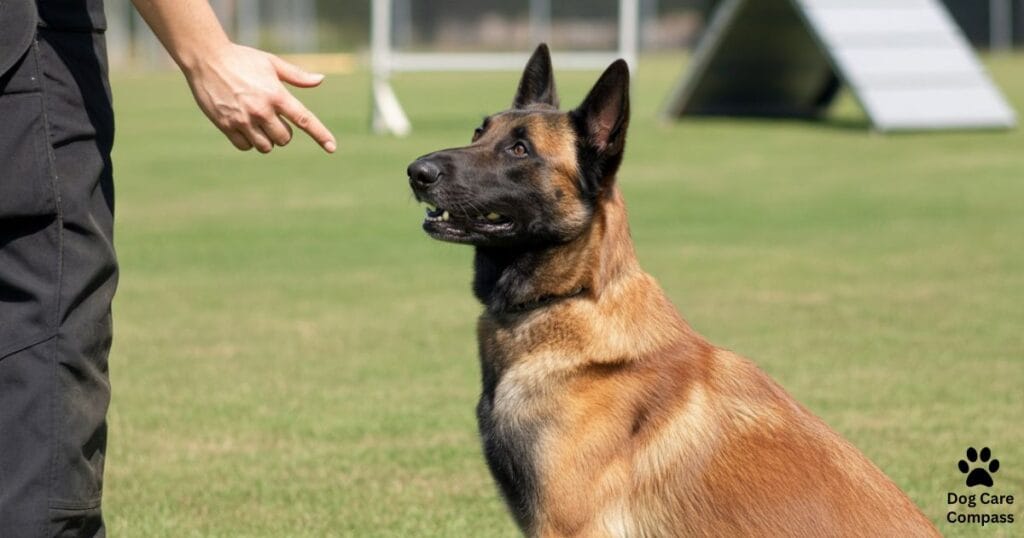
Training a Belgian Malinois requires a mix of patience, consistency, and the right tools. These dogs are not only fast learners but also have a strong desire to work, making training a rewarding challenge.
Working breeds like the Belgian Malinois share many traits with long-coat German Shepherds, especially when it comes to intelligence and obedience training.
What You Need Before Starting Training
Before starting Belgian Malinois training, make sure you have the right supplies. You’ll need a sturdy collar or harness, a leash, and training treats. Belgian Malinois obedience training is most effective when you have a quiet environment with minimal distractions. This will help your dog focus on the training sessions and make it easier for both of you to learn.
Essential Training Supplies for Belgian Malinois
Having the right training supplies is crucial for success. Some essential items include a Belgian Malinois training leash, a comfortable harness, and a clicker for positive reinforcement. It’s also important to choose high-quality treats that your dog will enjoy, as rewards are key in motivating your Belgian Malinois during training sessions.
Training Techniques for Belgian Malinois
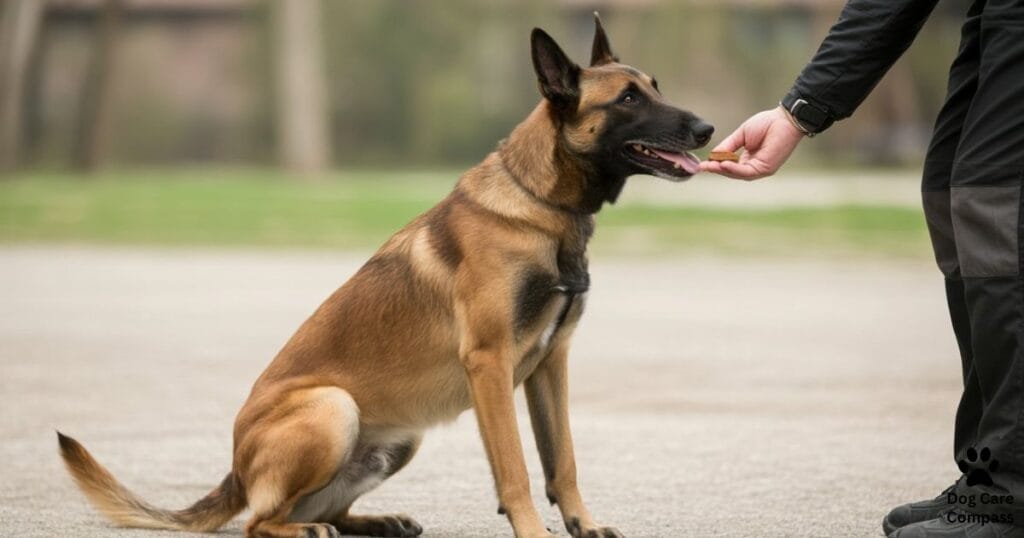
The Belgian Malinois is an incredibly versatile breed that can be trained using various techniques. From basic obedience to advanced tasks, these dogs are up for any challenge.
Positive Reinforcement Training
Positive reinforcement is one of the best methods for training a Belgian Malinois. This method involves rewarding good behavior with treats or praise, which encourages your dog to repeat those actions. Using positive reinforcement, you can teach your Belgian Malinois puppy to follow commands like “sit,” “stay,” and “come.”
Obedience Training for Belgian Malinois
Obedience training is a cornerstone of Belgian Malinois training. Start with simple commands, and gradually introduce more complex tasks. Consistency is key in this process, as Belgian Malinois thrive when they know what to expect. Over time, your dog will learn to respond to commands quickly and reliably.
Crate Training: Benefits for Belgian Malinois
Crate training is particularly beneficial for Belgian Malinois due to their need for structure and safety. A crate provides a secure space where your dog can rest without distractions. It also helps prevent destructive behavior and can be used to teach your dog to be comfortable when left alone.
Socializing Your Belgian Malinois
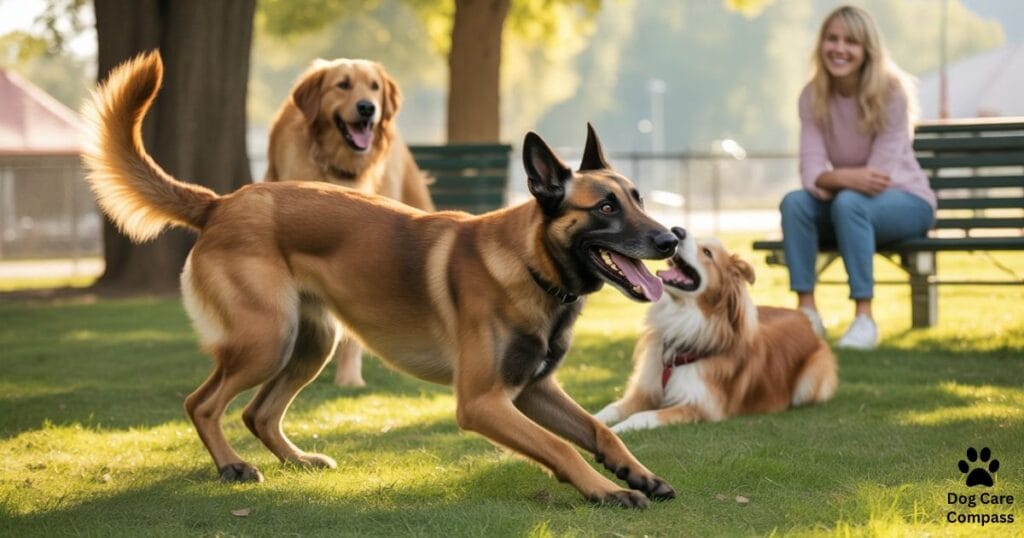
Socialization is a crucial part of Belgian Malinois training. It helps ensure that your dog is well-behaved in different environments and with various people and animals. Socialization is also extremely important for German Shepherd puppies because early exposure shapes long-term behavior.
How to Socialize Your Belgian Malinois with Other Dogs
Start socializing your Belgian Malinois with other dogs early on. Introduce them to other puppies and well-behaved adult dogs in controlled settings. This will help prevent fear or aggression when meeting other dogs. Socialization should be gradual and positive, ensuring that your Belgian Malinois is comfortable and confident in new situations.
Training Belgian Malinois to Interact with Strangers
Training your Belgian Malinois to interact with strangers is just as important. These dogs can be naturally protective, so proper socialization is essential to ensure they don’t become overly aggressive. Expose your dog to a variety of people and teach them that strangers are not a threat, making it easier for them to stay calm in new situations.
Advanced Training Tips for Belgian Malinois
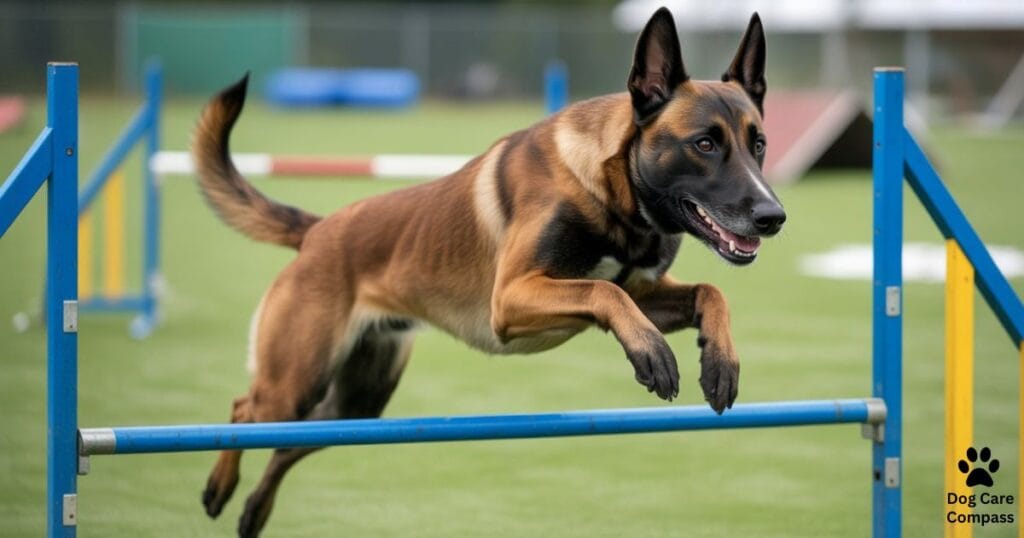
Once your Belgian Malinois has mastered basic obedience, you can begin introducing more advanced training techniques.
Tracking and Agility Training for Belgian Malinois
Agility training is a great way to burn off the energy of your Belgian Malinois. These dogs excel at agility courses, as they are fast and precise. Tracking training, on the other hand, allows your dog to use its natural scenting ability. Both types of training provide valuable mental and physical stimulation for your dog.
Protection Training for Belgian Malinois
The Belgian Malinois is known for its protective instincts, making them excellent guard dogs. Protection training should be done by a professional to ensure safety for both you and your dog. Properly trained Belgian Malinois can serve as personal protection dogs or even work in law enforcement.
Common Challenges in Belgian Malinois Training
Training a Belgian Malinois can be challenging at times. Their high energy levels and intelligence require constant mental and physical stimulation. Understanding common problems and knowing how to address them is crucial.
Overcoming Separation Anxiety in Belgian Malinois
Belgian Malinois can be prone to separation anxiety due to their strong bond with their owners. To overcome this, gradually increase the time you spend away from your dog. Provide mental stimulation, such as puzzle toys, when you’re gone, and avoid making a big deal when leaving or returning to reduce stress.
Dealing with Hyperactivity in Belgian Malinois
Belgian Malinois are high-energy dogs, which can sometimes lead to hyperactive behavior. Regular exercise and activities are key to managing this. Long walks, runs, and interactive play will help your dog release excess energy in a positive way, making training sessions more effective.
Belgian Malinois Behavior Issues and Solutions
Behavior problems are not uncommon with high-energy dogs like the Belgian Malinois. Addressing issues early can prevent them from becoming ingrained.
How to Manage Aggression in Belgian Malinois
Aggression in Belgian Malinois can stem from fear, territorial behavior, or lack of proper training. Early socialization and consistent training can prevent aggressive tendencies. If aggression persists, consult a professional trainer to help address the behavior safely.
Correcting Destructive Behavior in Belgian Malinois
Destructive behavior, such as chewing or digging, can be a sign of boredom or anxiety in Belgian Malinois. Ensure that your dog has enough physical and mental exercise to prevent these behaviors. Providing chew toys or engaging in interactive play can also help redirect their energy.
Belgian Malinois Training Schedule: How Much is Enough?
To keep your Belgian Malinois happy and healthy, it’s important to stick to a consistent training schedule. These dogs need both physical and mental stimulation to thrive.
Setting Realistic Training Goals for Belgian Malinois
Establish clear training goals based on your dog’s age and abilities. Start with basic commands and gradually move to more complex tasks. Belgian Malinois obedience training should be broken down into manageable steps to ensure steady progress.
Daily Exercise and Mental Stimulation Needs for Belgian Malinois
Daily exercise is crucial for the Belgian Malinois. These dogs need at least an hour of physical activity every day, along with mental stimulation to keep them engaged. Activities like agility training, obedience drills, and scent work are great ways to keep your dog’s mind sharp.
Finding Professional Training for Your Belgian Malinois
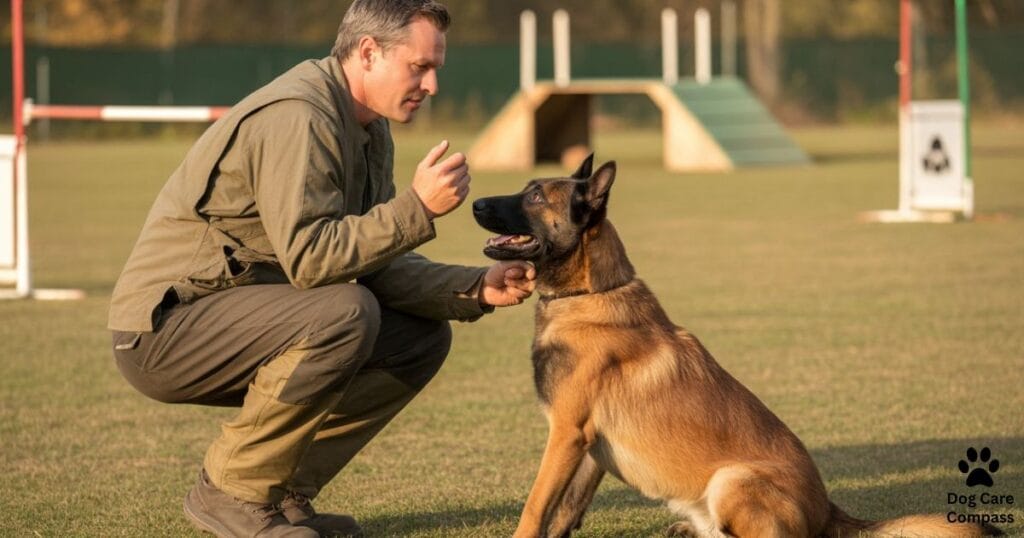
While Belgian Malinois are highly trainable, there are times when professional help is needed. Whether it’s for specialized protection training or behavioral issues, a professional can guide you and your dog to success.
When to Hire a Professional Trainer for Your Belgian Malinois
If you encounter behavioral problems or need help with advanced tasks like Belgian Malinois protection training, hiring a professional trainer is a smart decision. They can provide tailored training plans that address your dog’s specific needs and temperament.
Online Resources and Belgian Malinois Training Courses
There are plenty of online resources, courses, and training videos that can help you with Belgian Malinois training. Many professional trainers offer virtual classes that allow you to learn at your own pace, making it easier to train your dog from home.
Conclusion: Mastering Belgian Malinois Training
Training a Belgian Malinois is a journey that requires patience, consistency, and dedication. By starting early, understanding your dog’s needs, and using the right training techniques, you can ensure that your Belgian Malinois becomes a well-behaved, happy companion. Remember to always stay patient and keep training sessions fun and engaging for both you and your dog.
If you are researching other powerful working dog breeds, you may also want to read our detailed guides on German Shepherd care, nutrition planning, and breed comparisons to better understand how these intelligent dogs differ in training and behavior
FAQ
Are Belgian Malinois easy to train?
Yes, Belgian Malinois are generally easy to train due to their intelligence and eagerness to please. However, they require consistent training and mental stimulation.
At what age does a Belgian Malinois calm down?
Belgian Malinois usually start to calm down around 2 to 3 years old, although they will always have a high energy level.
What not to do with a Belgian Malinois?
Avoid neglecting their mental stimulation and physical exercise. They need regular activity to prevent behavioral problems.
What is the hardest command to teach a dog?
The hardest command to teach a dog is often “stay,” as it requires the dog to remain in one place for extended periods, which can be challenging for active breeds like the Belgian Malinois.
Experience & Statistics
| Training Technique | Effectiveness for Belgian Malinois |
|---|---|
| Positive Reinforcement | Highly effective, encourages obedience and compliance |
| Socialization with Other Dogs | Essential for preventing aggression and fear |
| Protection Training | Extremely effective for guard dogs and police work |
Training a Belgian Malinois is a fulfilling experience, and with the right approach, you can build a strong relationship with your dog. Make sure to stay consistent, and remember that every dog learns at its own pace.
After looking over a number of the blog articles on your web page,
I honestly appreciate your way of writing a blog. I saved it to my bookmark
website list and will be checking back in the near future.
Take a look at my website as well and tell me what you think.
My brother recommended I might like this web site.
He used to be totally right. This put up actually made my day.
You cann’t believe simply how so much time I had spent for this information! Thanks!