
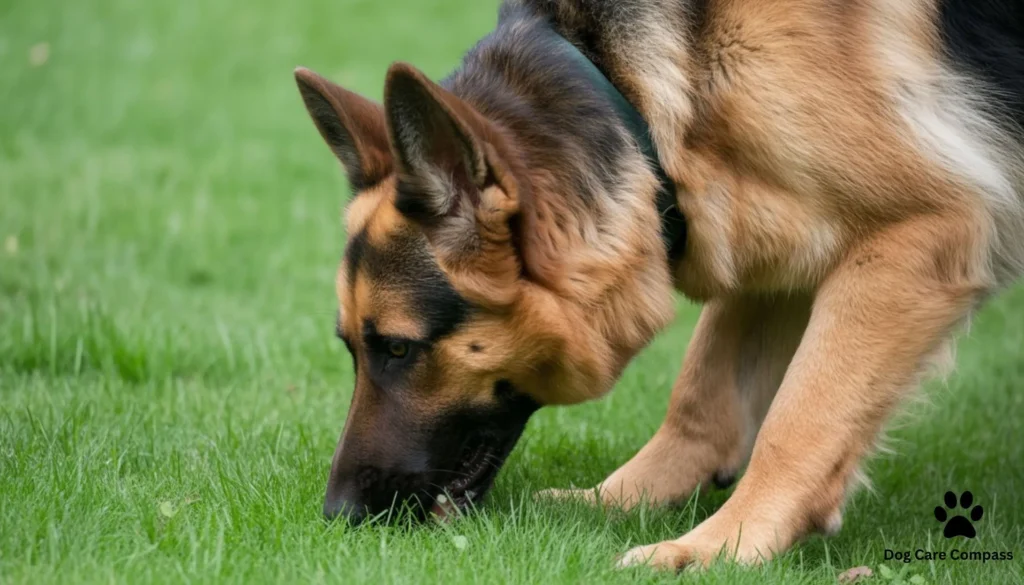
Why Does My Dog Eat Grass? The Real Reasons (And When to Worry)
I caught my German Shepherd eating grass for the third time in one week and genuinely could not figure out what was going on. He was eating well, acting normally, and had no obvious signs of illness. But every morning on our walk, he would find a patch of grass and start grazing like a small cow.
I started asking around. Almost every dog owner I spoke to had the same experience and the same uncertainty — is this normal? Is something wrong? Should I stop him?
The answers, it turns out, are more interesting than most people expect.
Why does my dog eat grass? Dogs eat grass for several reasons — most of them completely normal. Common causes include instinctive behavior, fiber seeking, boredom, minor digestive discomfort, and simple enjoyment of the taste. Grass eating is only concerning when it is sudden, excessive, or accompanied by other symptoms.
Quick Answer
| Question | Answer |
|---|---|
| Is grass eating normal? | Yes — very common in healthy dogs |
| Do dogs eat grass to vomit? | Sometimes — but not always |
| Is it dangerous? | Rarely — treated grass is the main risk |
| Should I stop it? | Only if grass is treated with chemicals |
| When to see a vet? | Sudden onset, excessive eating, other symptoms |
How Common Is Grass Eating in Dogs?
More common than most owners realize.
Studies on grass eating in dogs consistently show that the majority of dog owners report their dogs eating grass regularly. One study found that grass was the most commonly eaten plant by dogs, and that most owners considered it normal behavior rather than a problem.
Grass eating is so widespread across breeds, ages, and diets that it is now considered a normal canine behavior rather than a sign of nutritional deficiency or illness — which was the assumption for decades.
The Real Reasons Dogs Eat Grass
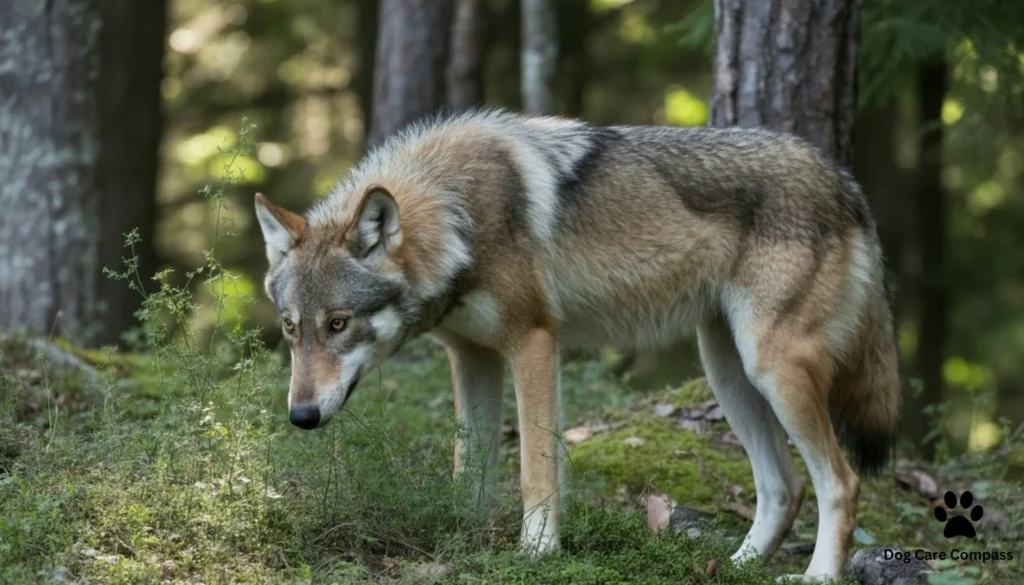
1. Instinct — The Most Likely Explanation
Dogs are omnivores descended from ancestors that ate whole prey — including the stomach contents of herbivores, which often contained partially digested plant material. Eating plant material is embedded in canine genetics as a normal behavior.
Wild canids — wolves, foxes, coyotes — regularly consume plant material as part of their natural diet. Studies of wild wolf scat consistently show grass and other plant matter. This is not aberrant behavior in wild canids — it is normal dietary variety.
A dog grazing on grass is, in many cases, simply expressing an ancient instinct that domestication has not eliminated.
2. Fiber Seeking
This is the explanation that resonates most with what I have observed in dogs over the years.
Grass contains fiber. Dogs on diets low in fiber — particularly those eating primarily dry kibble with minimal plant matter — sometimes seek out grass as a supplementary fiber source. The behavior often decreases when dietary fiber is increased through appropriate food choices.
Dogs eating diets built around whole, varied ingredients — including fiber-rich vegetables — tend to graze less than dogs eating monotonous, heavily processed diets. The approach to building fiber-rich, digestively supportive meals for dogs addresses this dietary gap more effectively than allowing grass grazing as a substitute.
3. Digestive Discomfort — Self-Medicating
The popular theory — that dogs eat grass to make themselves vomit — is partially true but significantly overstated.
Studies show that less than 25% of dogs that eat grass vomit afterward, and that most dogs do not appear ill before eating grass. This suggests that vomiting is an occasional side effect of grass eating rather than the primary purpose.
That said, some dogs do appear to eat grass specifically when experiencing mild nausea or digestive discomfort. The grass irritates the stomach lining, triggers vomiting, and the dog feels better. This is a self-medicating behavior — instinctive rather than deliberate.
A dog that consistently eats grass and then vomits — particularly first thing in the morning — may be dealing with bile reflux or an empty stomach. This pattern is worth discussing with your vet.
For dogs with chronic digestive issues, understanding what foods cause ongoing gut stress helps owners address the root cause rather than managing the grass-eating symptom in isolation.
4. Boredom and Anxiety
Dogs that are under-stimulated, anxious, or simply bored engage in a range of oral behaviors — chewing, licking, and grass eating among them. The physical activity of grazing provides mild stimulation and a sensory experience that passes the time.
High-drive breeds are particularly prone to boredom-related behaviors when their mental and physical needs go unmet. A Belgian Malinois or German Shepherd grazing extensively on walks may be communicating that the walk itself is not providing sufficient engagement — the grass is the most interesting available activity.
Increasing mental stimulation and structured activity reduces boredom-driven grass eating significantly in these breeds. The same principles that address repetitive anxiety behaviors in working breeds apply directly here.
5. They Simply Like the Taste
This explanation gets dismissed too quickly.
Grass in spring and early summer is genuinely palatable to many dogs — fresh, slightly sweet, and texturally interesting. Some dogs eat grass purely because they enjoy it, with no underlying medical or behavioral explanation required.
A dog that selectively targets young, tender grass shoots rather than mature or dry grass is almost certainly eating for taste and texture rather than medicinal or nutritional reasons. This is the dog equivalent of snacking — instinctive, occasional, and completely harmless.
6. Pica — When It Is More Than Grass
Pica is the compulsive ingestion of non-food items — including grass, soil, rocks, fabric, and other materials. When a dog moves beyond occasional grass nibbling into consuming significant quantities of grass and other non-food substances persistently, pica becomes a consideration.
Pica in dogs is associated with nutritional deficiencies, anxiety disorders, and certain medical conditions including anemia. A dog eating truly large quantities of grass — not a few nibbles but sustained grazing sessions multiple times daily — alongside other non-food items warrants veterinary investigation.
Is Grass Eating Dangerous?
For most dogs in most circumstances — no.
The grass itself is not toxic. The behavior is not inherently harmful. The act of vomiting occasionally after eating grass is unpleasant but not dangerous for a healthy dog.
The real risks are external:
Treated Grass — The Main Danger
Grass treated with herbicides, pesticides, fertilizers, or lawn treatment chemicals is genuinely dangerous. These compounds cause toxicity in dogs that ranges from mild digestive upset to serious organ damage depending on the chemical involved.
If you do not know whether a patch of grass has been treated — assume it has and redirect your dog away from it. Public parks, golf courses, roadside verges, and maintained lawns in residential areas are all potential sources of chemical exposure.
At home, use pet-safe lawn treatment products only — and keep dogs off treated areas for the manufacturer’s recommended period after application.
Parasites and Bacteria
Grass in areas frequented by other dogs, wildlife, or livestock can carry intestinal parasites — roundworm eggs, Giardia cysts, and other pathogens that transfer through fecal contamination of grass.
Regular parasite prevention treatment reduces this risk significantly. Avoiding areas with obvious fecal contamination is common sense prevention.
Intestinal Obstruction — Rare but Possible
Occasional grass nibbling passes through the digestive system without issue. Eating very large quantities — rare but documented — can theoretically cause intestinal impaction in small dogs. This is not a realistic concern for dogs eating normal amounts of grass occasionally.
Does Your Dog’s Diet Affect Grass Eating?

Yes — more than most owners realize.
Dogs on high-fiber, varied diets tend to eat less grass than dogs on low-fiber, monotonous kibble diets. This suggests that at least some grass eating is the dog’s response to a dietary gap.
The practical implication: if your dog eats grass frequently, evaluate the fiber content of their current diet before assuming a behavioral or medical cause. Adding appropriate vegetables — green beans, zucchini, carrots — to meals increases fiber intake in a more controlled and nutritionally meaningful way than grass grazing.
Dogs with specific digestive conditions — acid reflux, sensitive stomachs, or dietary intolerances — sometimes show increased grass eating as a symptom of ongoing gut discomfort. Addressing the dietary cause reduces the behavior. Our acid reflux diet guide covers how dietary choices directly affect the chronic gut discomfort that sometimes drives grass eating in sensitive dogs.
Breed Considerations
German Shepherds
German Shepherds are among the breeds most commonly reported to eat grass. Their intelligence and high drive make them more likely to engage in self-directed behaviors — including grass grazing — when under-stimulated.
GSDs also have a documented predisposition to digestive sensitivity and gastric issues. A German Shepherd that eats grass consistently — particularly first thing in the morning — may be managing bile reflux or stomach acidity that benefits from dietary adjustment rather than behavioral correction. The full health picture for this breed is covered in our German Shepherd complete guide.
Belgian Malinois
Malinois eat grass less frequently than GSDs in general — their behavioral profile leans more toward driven, goal-oriented activity than meditative grazing. When a Malinois does eat grass consistently, boredom or anxiety is a more likely driver than dietary fiber seeking.
Puppies
Puppies explore the world with their mouths. Grass eating in puppies is almost always exploratory rather than instinctive or medical. It typically decreases naturally as the puppy matures and becomes more selective about what goes into its mouth.
When Grass Eating Becomes a Concern
Occasional grass eating in a healthy dog requires no intervention. These patterns warrant a vet visit:
- Sudden onset of intense grass eating in a dog that rarely did it before
- Eating grass multiple times daily in large quantities
- Grass eating consistently followed by vomiting — more than occasionally
- Grass eating alongside other symptoms — lethargy, appetite loss, weight loss, diarrhea
- Eating soil, rocks, or other non-food items alongside grass — possible pica
- Grass eating accompanied by abdominal pain or bloating
Sudden, intense grass eating in a large breed dog — particularly German Shepherds and Malinois — alongside restlessness, unproductive retching, or abdominal distension requires immediate veterinary attention. These can be early signs of gastric dilatation-volvulus — a life-threatening emergency in large breeds.
Should You Stop Your Dog From Eating Grass?

In most cases — no intervention is needed. Occasional grass eating on untreated grass is harmless normal behavior.
Practical management where needed:
- Redirect with a toy or treat if the grass may be chemically treated
- Increase dietary fiber through appropriate vegetables to reduce nutritional-gap grazing
- Increase mental stimulation and structured activity to reduce boredom-driven grazing
- Ensure regular parasite prevention treatment is current
- Avoid areas with obvious chemical treatment or fecal contamination
Teaching a reliable “leave it” command gives you control in situations where the specific grass patch is a concern — without eliminating the behavior entirely in safe environments.
Frequently Asked Questions
Is it normal for dogs to eat grass every day?
Daily grass eating in small amounts on untreated grass is considered normal by most veterinary standards. If the frequency is increasing, the quantity is large, or other symptoms are present — a vet check is worthwhile.
Why does my dog only eat grass in the morning?
Morning grass eating — particularly before the first meal — often indicates bile reflux or an empty stomach causing mild nausea overnight. The dog eats grass to trigger vomiting and relieve the discomfort. A late evening snack or discussing acid management with your vet often resolves this pattern.
Can I let my dog eat grass in my own garden?
Yes — provided you use only pet-safe lawn treatments, have not recently applied any chemicals, and the area is not frequented by wildlife that could contaminate it with parasites.
My dog eats grass but never vomits — should I be concerned?
No — most dogs that eat grass do not vomit. Grass eating without vomiting is the most common presentation and is almost always benign.
Is it safe for puppies to eat grass?
Generally yes — puppies explore with their mouths and grass is not inherently harmful. Ensure the grass is untreated and the area is free from parasite contamination. Puppy grass eating typically decreases naturally with maturity.
Does grass eating mean my dog is missing nutrients?
Sometimes — particularly fiber. Dogs on low-fiber diets graze more frequently than those eating varied, fiber-rich meals. Adding appropriate vegetables to meals addresses this more effectively than allowing grass grazing.
Why does my dog eat grass and then vomit?
Some dogs eat grass specifically when experiencing mild nausea — the grass irritates the stomach and triggers vomiting that provides relief. Less than 25% of dogs that eat grass vomit afterward, so this is not the primary reason most dogs eat grass. A dog that consistently eats grass and vomits should be evaluated for underlying digestive issues.
Final Summary
- Grass eating is normal in most dogs — the majority of dog owners report it
- Main reasons include instinct, fiber seeking, mild digestive discomfort, boredom, and taste preference
- Treated grass is the primary real danger — avoid chemically treated areas
- Less than 25% of dogs that eat grass vomit — vomiting is a side effect, not the main purpose
- Increasing dietary fiber reduces nutritionally-driven grass eating
- Sudden, excessive grass eating with other symptoms warrants a vet visit
- Morning grass eating followed by vomiting may indicate bile reflux worth discussing with your vet
One thing to do today: Check whether any grass your dog regularly eats has been treated with chemicals. If you are unsure — redirect away from it. That single change eliminates the only genuine risk in most casual grass-eating situations.
For more dog health and behavior guides, explore the complete library at dogcarecompass.com.
Pingback: German Shepherd Separation Anxiety: Signs, Causes, and How to Fix It - Dog Care Compass