
When your dog suddenly develops diarrhea, it can be stressful and confusing to know what to do next. Many pet owners immediately wonder what to give their dog when he has diarrhea and whether it’s something serious. In most cases, mild diarrhea is caused by diet changes, stress, or eating something unusual.
However, quick and proper care is important to prevent dehydration in dogs and further complications. Offering a bland diet for dogs, ensuring clean water, and considering probiotics for dogs can often help soothe an upset stomach. Understanding the common causes of dog diarrhea and safe home remedies for dog diarrhea will help you respond calmly and effectively.
What Causes Diarrhea in Dogs?
Dog diarrhea often starts with simple things like diet changes. Dog diet changes or sudden introduction of new foods can upset their stomachs. A sensitive digestive system reacts with canine upset stomach symptoms, loose stools, and dog vomiting. Even minor sudden diet change in dogs can trigger severe diarrhea.
Environmental factors also play a role. Dogs are curious eaters. Eating garbage or grass can introduce harmful bacteria and cause gastrointestinal (GI) upset in dogs. Parasites like dog worms and parasites or viral infections such as viral infections in dogs (parvo, corona) are other major causes. Older dogs or puppies are more vulnerable due to dog immune system issues and dog age and digestion limitations.
Sudden Changes in Diet
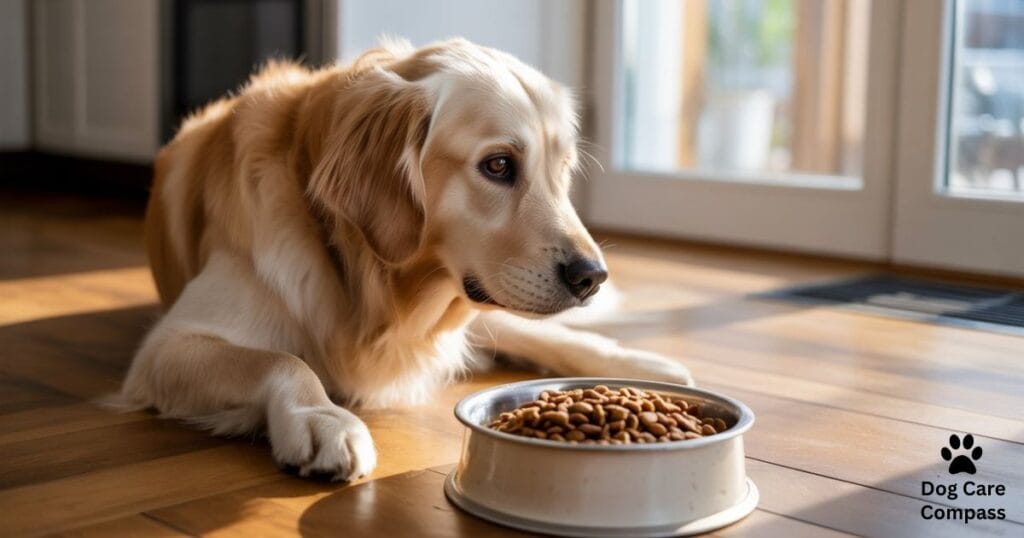
When you change your dog’s food too quickly, the digestive system cannot adjust. Gradually introducing new meals is key. Sudden shifts can lead to dog digestive issues, dog flatulence / excessive gas, and even dog bloating / abdominal swelling. If your dog already has dog food intolerance, a quick change may worsen symptoms.
Veterinarians often suggest a bland diet for dogs during transitions. Foods like cooked rice for dogs and boiled chicken help stabilize canine gastrointestinal problems and ease digestion. This approach minimizes dog vomiting and promotes recovery.
Eating Garbage or Grass
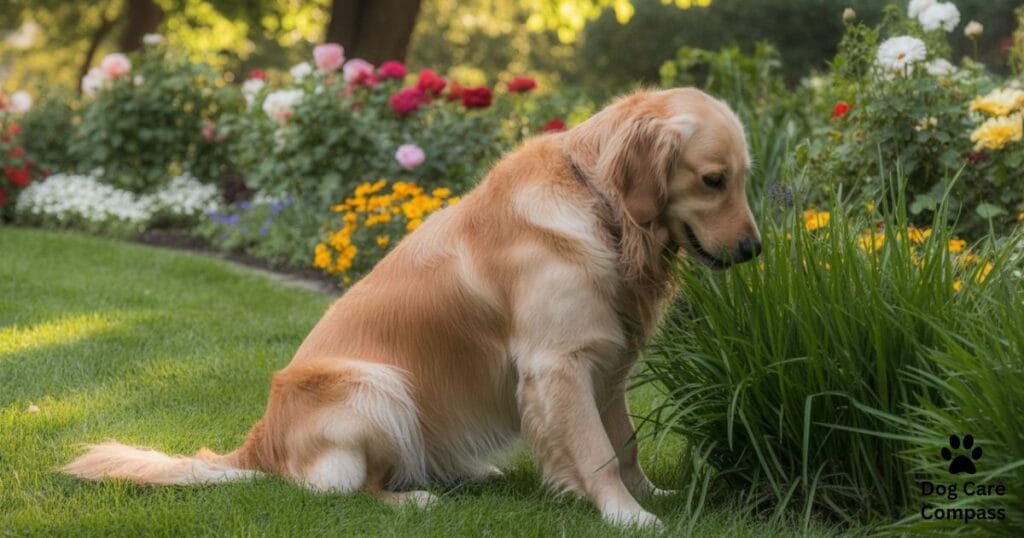
Dogs often scavenge, eating spoiled food, trash, or non-food items. These habits are frequent causes of diarrhea in dogs. Items like chocolate, grapes, and onions can lead to food toxicity in dogs (chocolate, grapes, onions) and severe dog vomiting. Grass consumption may soothe the stomach temporarily but can trigger diarrhea if excessive.
A close watch on dog feeding habits is essential. Dogs that eat non-food objects often need immediate veterinary advice for dogs. Prompt action can prevent worsening dog health symptoms, including dehydration and dog loss of appetite.
Worms and Parasites
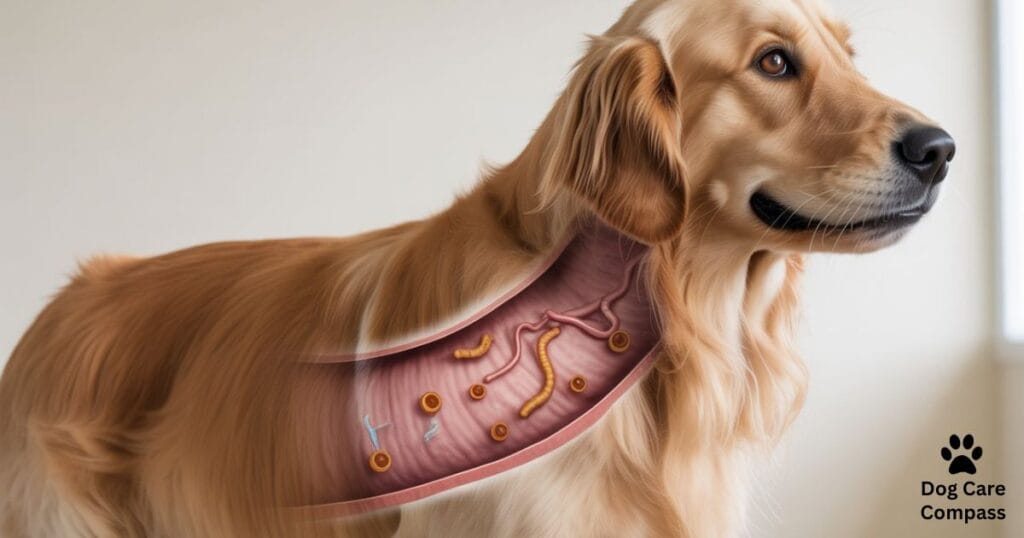
Intestinal worms are a silent cause of dog diarrhea. Puppies are especially prone to dog worms and parasites. Adult dogs can also be affected if they skip regular deworming. Parasites irritate the gut lining, resulting in dog loose stools / colored stools, dog vomiting, and poor nutrient absorption.
Routine deworming and monitoring dog digestive enzymes help prevent chronic canine gastrointestinal problems. Veterinary check-ups ensure parasites are treated before they compromise dog immune system issues.
Viral or Bacterial Infections
Viruses like parvo or coronavirus are dangerous. Dogs with viral infections in dogs (parvo, corona) often show dog vomiting with blood, fever, and severe diarrhea. Bacterial infections can also trigger canine upset stomach symptoms. Early intervention is crucial to prevent dehydration and systemic illness.
Vaccinations and hygiene are preventive measures. Dog probiotics and gut health supplements can support immunity but do not replace dog medical treatment. Always consult veterinary advice for dogs when infections are suspected.
Stress and Anxiety
Stress triggers dog stress colitis, causing diarrhea and dog bloating / abdominal swelling. Loud noises, separation, or travel can upset sensitive dogs. Stress alters gut microflora and may reduce nutrient absorption.
Dog exercise and digestion routines help manage stress. Short walks and mental stimulation stabilize gut health. Combining calm environments with dog probiotics can reduce episodes of dog flatulence / excessive gas.
Age and Weak Immune System
Puppies and older dogs face higher risks of dog digestive issues due to weaker immunity and developing or aging organs. Dog age and digestion affect nutrient absorption and recovery from dog diarrhea. Chronic issues may arise if not managed properly.
Regular vet visits, balanced nutrition, and careful monitoring of dog feeding habits can reduce the frequency of digestive upset. Dog probiotics and bland diet for dogs often aid recovery in sensitive age groups.
Symptoms of Diarrhea and Upset Stomach in Dogs
Symptoms vary in severity. Dog loose stools / colored stools is the most visible sign. Puppies may show dog loss of appetite, weakness, and dog vomiting. Color changes in stool—yellow, green, or black—signal potential infections or dog digestive issues.
Other signs include dog bloating / abdominal swelling, dog flatulence / excessive gas, and lethargy. Monitoring these symptoms and keeping track of fluid intake helps prevent dog dehydration. Immediate action is necessary when multiple symptoms appear together.
Vomiting
Frequent dog vomiting alongside diarrhea may indicate viral infection or food toxicity in dogs (chocolate, grapes, onions). Vomiting with blood or foam is an emergency. Early vet intervention can prevent severe dog health symptoms.
Lethargy
Lethargy or low energy indicates systemic stress. Dogs may appear dull, show dog loss of appetite, and avoid usual activities. Prolonged lethargy alongside diarrhea can signal serious canine gastrointestinal problems.
Blood in Stool
Blood in stool can appear bright red or dark, showing dog digestive issues or intestinal damage. Cases with dog vomiting with blood require urgent medical attention to avoid worsening dog dehydration.
Dehydration Signs
Dehydration test for dogs involves checking skin elasticity and gums. Dogs with dry gums, sunken eyes, or reduced urination are at risk. Hydration is critical; untreated dehydration worsens dog health symptoms rapidly.
When Should You Contact a Vet Immediately?
Severe or persistent dog diarrhea requires professional intervention. Dog vomiting with lethargy, blood in stool, or dehydration signals emergencies. Puppies and older dogs are more vulnerable due to dog immune system issues.
If diarrhea lasts more than 48 hours, consult a veterinarian. A detailed diagnosis, including stool tests or blood work, may be necessary to manage canine gastrointestinal problems and prevent long-term damage.
Puppies or Senior Dogs
Sensitive age groups are prone to complications. Even mild diarrhea can progress rapidly. Early vet care prevents severe dog digestive issues and life-threatening situations.
Diarrhea Lasting More Than 48 Hours
Persistent diarrhea often indicates infections, parasites, or dietary intolerance. Treatment may include dog probiotics, dietary adjustments, and medication to restore gut health.
Should You Feed a Dog With Diarrhea?
Feeding during diarrhea requires caution. Small, frequent meals of a bland diet for dogs reduce gut stress. Foods like cooked rice for dogs or boiled chicken support digestion. Avoid rich, fatty, or spicy foods that worsen dog digestive issues.
Observation is key. Watch for dog vomiting, stool consistency, and appetite. If symptoms persist, consult veterinary advice for dogs.
Is Fasting Safe for Dogs With Diarrhea?
Short fasting can help stabilize the gut. 12–24 hours without food gives the digestive system a chance to rest, reducing dog flatulence / excessive gas and dog bloating / abdominal swelling. Always provide water to prevent dog dehydration.
When Fasting Helps
Fasting allows the gut to reset. Following it, introduce bland diet for dogs slowly to minimize dog digestive issues.
When Fasting Is Not Recommended
Avoid fasting if the dog is weak, dehydrated, or has underlying medical conditions. Dog age and digestion factors matter.
What Can You Give a Dog for Diarrhea at Home?
Home care includes bland diet for dogs, hydration, and gentle monitoring. Foods like cooked rice for dogs, boiled chicken, and pumpkin soothe the stomach. Dog probiotics can restore gut flora. Avoid fatty foods, human snacks, and food toxicity in dogs (chocolate, grapes, onions).
Small meals, fresh water, and rest help recovery. Dog digestive enzymes may also assist in nutrient absorption and reduce dog flatulence / excessive gas.
Pingback: What to Feed a Dog with Diarrhea: Complete Guide for Pet Owners