
German Shepherd Complete Guide 2026
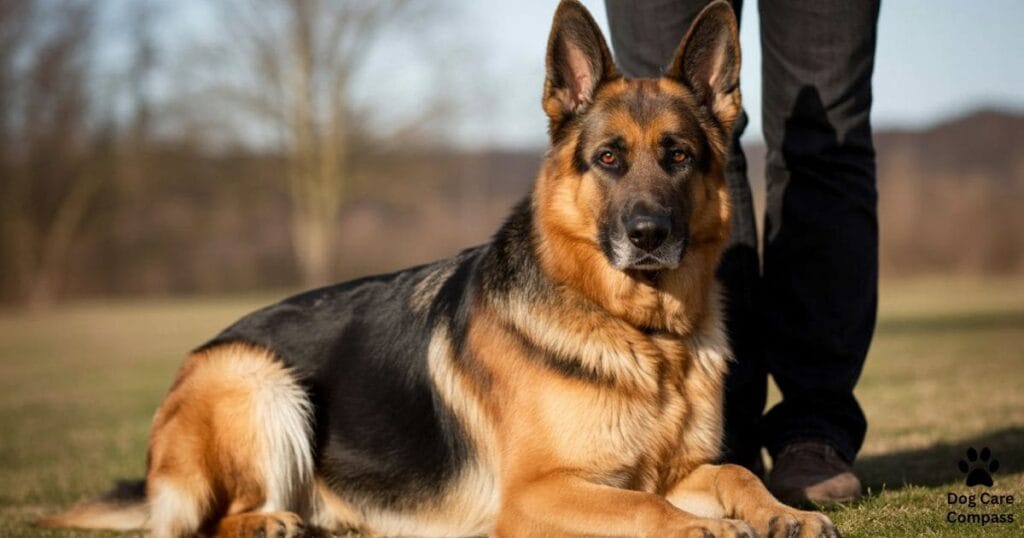
Why the German Shepherd Remains One of the Most Powerful Breeds
The German Shepherd continues to rank among the most intelligent, loyal, and versatile dog breeds in the world in 2026. Its reputation is built on performance, loyalty, protection ability, and adaptability.
Unlike many companion breeds, the German Shepherd was developed as a working dog. That history still defines its behavior today.
From personal experience and professional training insights, this breed thrives when it has structure, responsibility, and consistent leadership. Without direction, their intelligence can turn into stubbornness or destructive behavior.
This guide provides in-depth knowledge about every important aspect of owning and raising a German Shepherd successfully.
Breed Overview: Key Facts About the German Shepherd
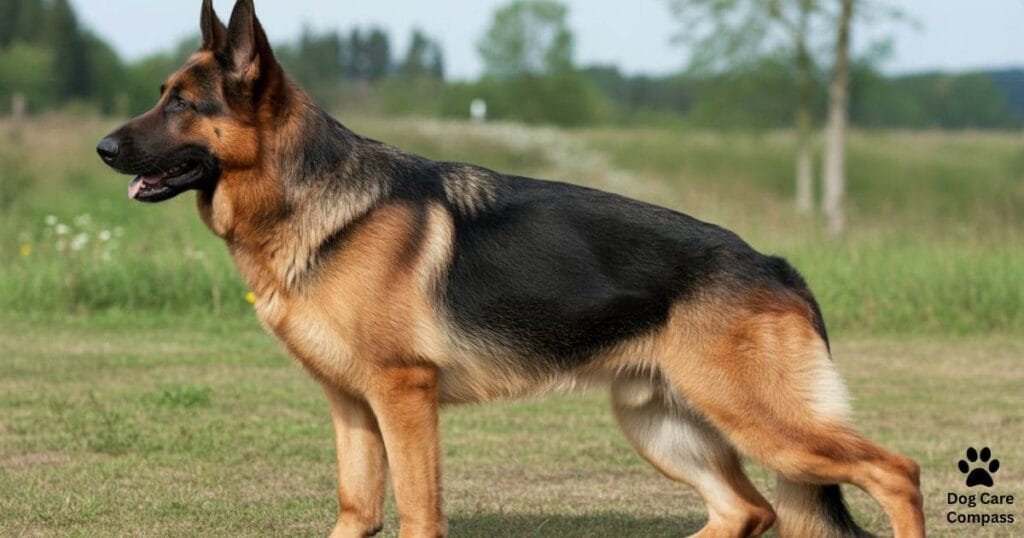
Quick Overview Table
| Feature | Details |
|---|---|
| Breed Name | German Shepherd |
| Origin | Germany |
| Breed Type | Working Dog |
| Lifespan | 9 – 13 Years |
| Weight | 22 – 40 kg |
| Height | 55 – 65 cm |
| Energy Level | High |
| Trainability | Very High |
| Coat Type | Double Coat |
| Personality | Loyal, Protective, Intelligent |
This structured overview helps you quickly understand the core characteristics of the breed.
History and Development of the German Shepherd
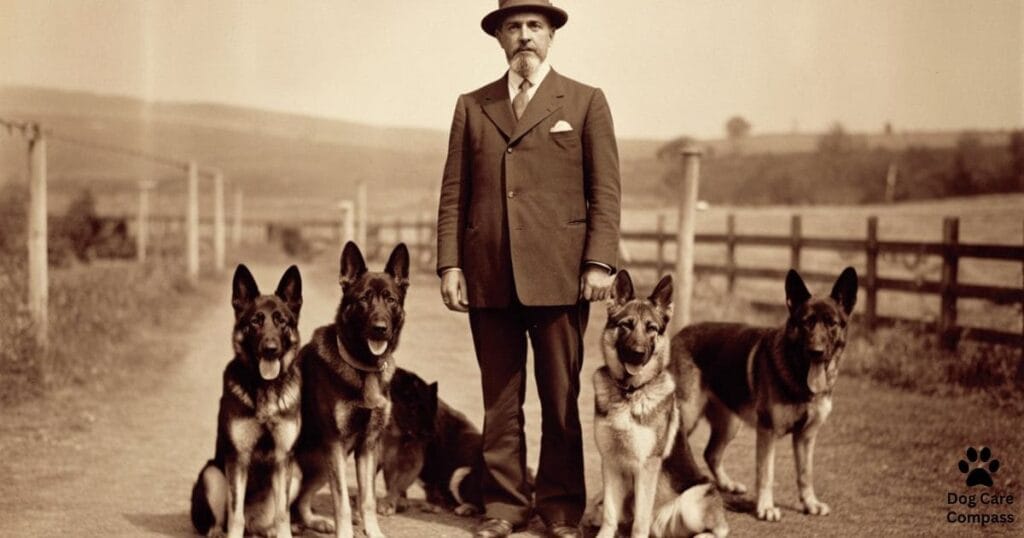
The German Shepherd was developed in Germany in the late 19th century by Captain Max von Stephanitz.
His goal was not appearance — it was performance.
He wanted to create a dog that could:
- Herd livestock efficiently
- Follow complex commands
- Work for long hours
- Demonstrate loyalty to one handler
The first official German Shepherd was named Horand von Grafrath.
Why History Matters for Modern Owners
Because this breed was created for work:
- It requires mental stimulation
- It needs physical exercise
- It performs best with leadership
If you treat it like a passive indoor dog, behavior problems may appear.
Physical Characteristics and Body Structure
German Shepherds are muscular and athletic dogs built for endurance and agility.
They have:
- Strong backline
- Deep chest
- Powerful hind legs
- Balanced posture
Their double coat protects them from extreme weather conditions.
Physical Development Stages
| Age | Development Stage |
|---|---|
| 2–6 Months | Rapid bone growth |
| 6–12 Months | Muscle development begins |
| 1–2 Years | Physical maturity |
| 2+ Years | Fully developed body |
Important Owner Insight
Over-exercising puppies before full bone development increases the risk of joint damage. Controlled activity is critical during growth.
Types of German Shepherd Lines
German Shepherds are categorized into different breeding lines.
Working Line
- High drive
- Strong protection instinct
- Used in police and military
Show Line
- Focus on appearance
- Slightly calmer temperament
- Structured body conformity
European vs American Lines
European lines often have stronger working abilities and more structured breeding standards.
American lines often focus more on family-friendly traits.
Choosing the correct line depends on your purpose.
Temperament and Psychological Behavior
German Shepherds are emotionally aware dogs.
They observe:
- Tone of voice
- Body language
- Changes in environment
Key Personality Traits
- Loyal to primary owner
- Protective of family
- Alert toward strangers
- Highly intelligent
- Quick learners
Real-Life Example
When a visitor enters your home, your German Shepherd may immediately:
- Stand tall
- Focus attention
- Position itself near family members
This is natural protective behavior — not aggression.
Training helps them differentiate between real threats and normal visitors.
Socialization: Why It Is Essential
Early socialization prevents fear-based aggression.
Socialization Should Include:
- Meeting different people
- Interaction with other dogs
- Exposure to traffic noise
- Visiting public areas
Socialization Timeline
| Age | Focus Area |
|---|---|
| 8–12 Weeks | Human exposure |
| 3–6 Months | Public interaction |
| 6–12 Months | Advanced environment exposure |
Dogs that lack early exposure may develop anxiety or reactive behavior.
Training Methods for Maximum Control
German Shepherds are extremely trainable.
However, training must be consistent.
Training Stages
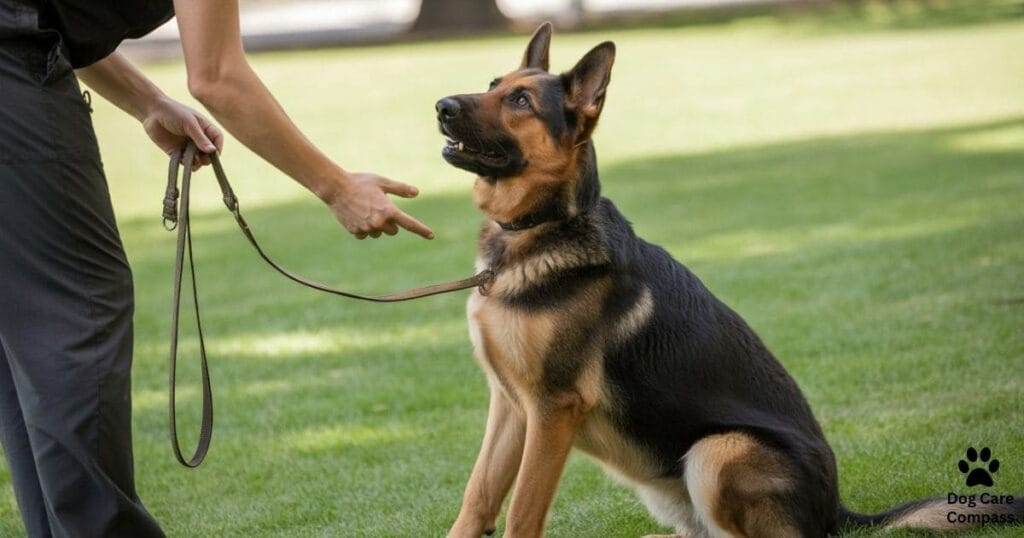
1. Basic Obedience
Commands:
- Sit
- Stay
- Come
- Down
- Heel
2. Intermediate Control
- Off-leash reliability
- Distraction control
- Advanced recall
3. Advanced Training
- Protection work
- Tracking
- Agility
- Task-based training
Training Tools
| Tool | Purpose |
|---|---|
| Clicker | Precise reward timing |
| Long leash | Controlled freedom |
| Treat rewards | Motivation |
| Training collar | Controlled correction |
Consistency produces better results than force.
Exercise Requirements: How Active Should They Be?
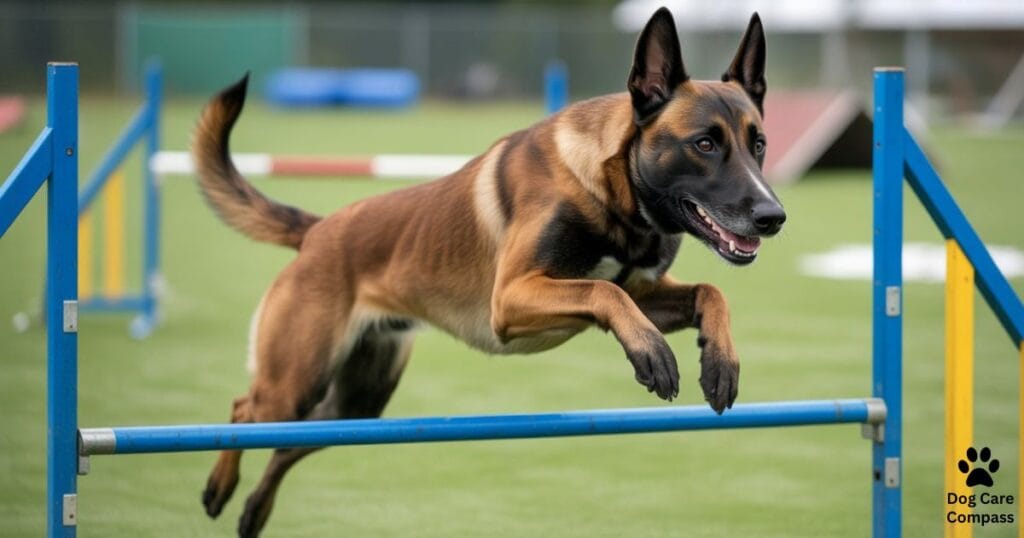
German Shepherds are high-energy dogs.
They require daily physical movement.
Recommended Daily Routine
- Morning walk
- Play session
- Training exercise
- Evening activity
Exercise Breakdown Table
| Activity | Time Required |
|---|---|
| Walking | 45–60 min |
| Play | 30 min |
| Training | 15–20 min |
Without exercise, dogs may develop:
- Excessive barking
- Destructive chewing
- Restlessness
Nutrition and Feeding Strategy

Diet plays a major role in health and lifespan.
German Shepherds need high-quality protein.
Ideal Nutritional Composition
| Nutrient | Recommended Level |
|---|---|
| Protein | 22–30% |
| Fat | 12–18% |
| Carbohydrates | Moderate |
Feeding Schedule
- Puppies → 3–4 meals daily
- Adults → 2 meals daily
Avoid heavy meals before intense exercise to prevent bloat.
Foods to Avoid
- Chocolate
- Grapes
- Onions
- Garlic
- Cooked bones
Healthy nutrition reduces long-term vet expenses.
Grooming and Shedding Control
German Shepherds shed heavily due to their double coat.
Grooming Routine
- Brush 3 times per week
- Daily brushing during shedding season
- Bath every 6–8 weeks
Recommended Tools
- Undercoat rake
- Deshedding brush
- Grooming glove
Regular grooming improves coat quality and skin health.
Common Health Problems and Prevention
German Shepherds are prone to genetic issues.
Major Health Risks
| Condition | Risk Level |
|---|---|
| Hip Dysplasia | High |
| Elbow Dysplasia | Medium |
| Bloat | Emergency Risk |
| Degenerative Myelopathy | Genetic Risk |
Prevention Strategy
- Choose responsible breeders
- Maintain healthy weight
- Avoid excessive jumping in puppies
- Regular veterinary checkups
Early diagnosis improves treatment success.
Cost of Ownership
Owning a German Shepherd requires financial planning.
Annual Cost Breakdown
| Category | Estimated Cost |
|---|---|
| Food | $400–700 |
| Vet Care | $300–600 |
| Grooming | $200 |
| Training | $200–1000 |
Total yearly cost averages between $1000 and $2000.
German Shepherd as a Family Protector
They are naturally protective.
However, protection must be controlled through training.
Proper training ensures:
- Controlled guarding
- Obedience under stress
- Command-based response
They are excellent with children when socialized properly.
Final Verdict: Is This Breed Right for You?
Before adopting, ask:
- Do I have time for daily exercise?
- Can I provide consistent training?
- Can I handle shedding?
- Do I understand leadership responsibility?
If yes — the German Shepherd can become a loyal lifelong companion.
Frequently Asked Questions (Expanded)
Are German Shepherds aggressive?
No. They are protective but not naturally aggressive.
How long do they live?
9 to 13 years on average.
Are they good for apartments?
They perform better in houses with space.
Do they require professional training?
Not mandatory, but professional guidance improves behavior.
Are they safe with children?
Yes — when properly trained and supervised.
Pingback: German Shepherd vs Wolf in Yellowstone: A Comprehensive Comparison of Traits, Strength, and Behavior - Dog Care Compass
Pingback: What to Feed a Dog with Diarrhea: Complete Guide for Pet Owners
Pingback: German Shepherd Puppy Temperament and Behavior: What Every Owner Should Know - Dog Care Compass
Pingback: Can Dogs Eat Beef Jerky? Everything You Need to Know Before Sharing That Snack - Dog Care Compass
Pingback: German Shepherd Scared of Strangers: Why It Happens and How to Fix It - Dog Care Compass
Pingback: How to Clean Dog Ears at Home Naturally (Safe & Vet-Approved Method) - Dog Care Compass
Pingback: Dog Reverse Sneezing Home Remedy: Causes, Relief Tips, and When to Worry - Dog Care Compass
Pingback: Dog Jealous of New Puppy? 7 Signs and How to Fix It Fast - Dog Care Compass