
Dog Won’t Eat After Boarding: Real Reasons and How to Help Them Recover
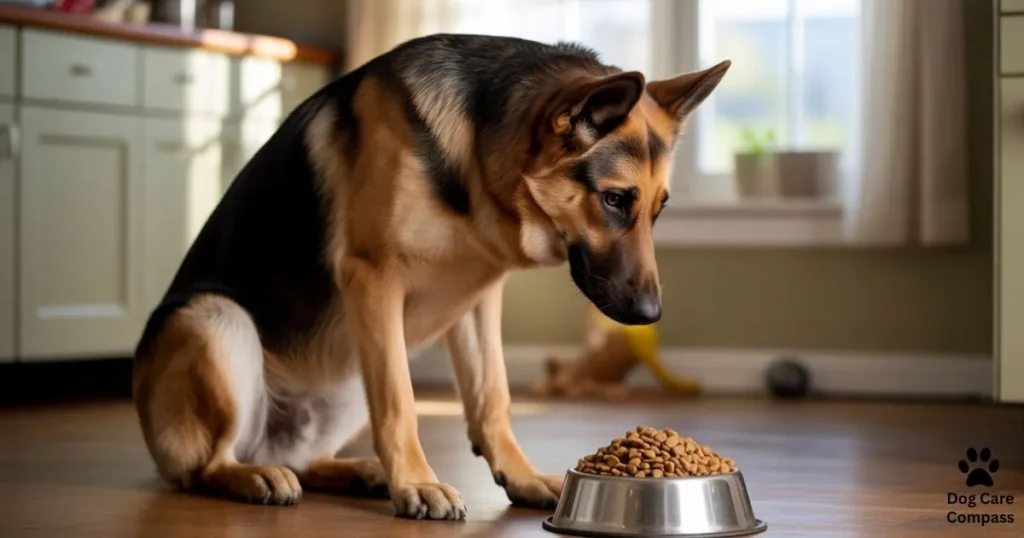
You picked up your dog from the boarding facility, brought them home, put their food down — and they walked away from it.
This is one of the most common post-boarding experiences owners report. A dog that was eating fine before boarding suddenly shows no interest in food for hours or even days after returning home.
It is alarming. It is also almost always explainable and temporary.
Why won’t my dog eat after boarding? Dogs typically stop eating after boarding due to stress, disrupted routine, fatigue from the boarding environment, or mild digestive upset from dietary changes. In most cases appetite returns within 24 to 48 hours once the dog settles back into their home environment.
Quick Answer
| Duration | Action |
|---|---|
| Not eating 12-24 hours — acting normal | Monitor — very common |
| Not eating 48 hours | Call your vet |
| Not eating + vomiting or diarrhea | Call your vet today |
| Not eating + lethargy + other symptoms | See vet immediately |
| Puppy not eating 12 hours after boarding | Call your vet |
Why Dogs Stop Eating After Boarding
1. Stress and Emotional Adjustment
This is the most common cause — and the most underestimated.
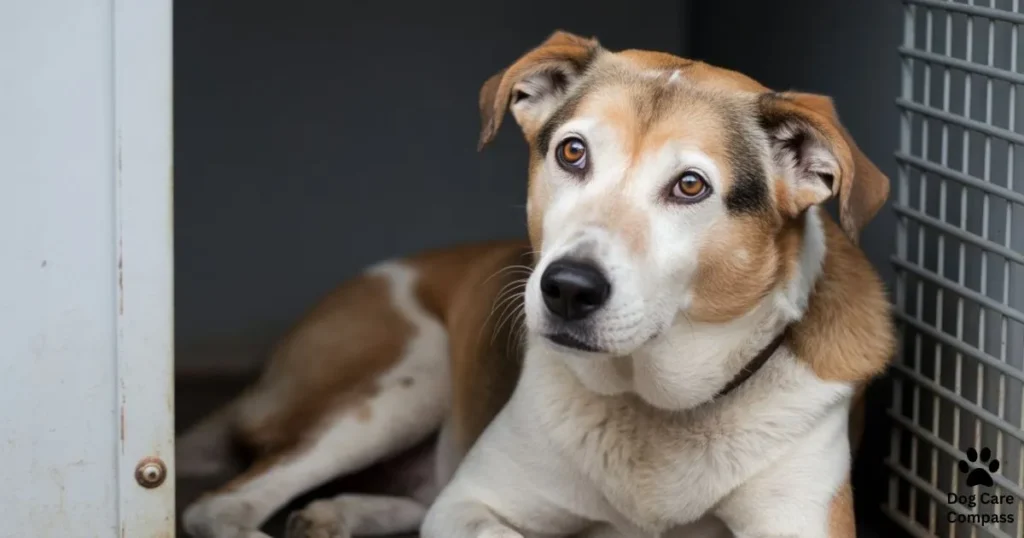
Boarding is genuinely stressful for most dogs. New smells, new sounds, unfamiliar people, other dogs nearby, disrupted sleep, and absence of the owner all combine into a sustained stress experience.
Cortisol — the primary stress hormone — directly suppresses appetite. A dog returning from boarding is often still in an elevated cortisol state that takes time to normalize.
The appetite suppression is not behavioral choice or stubbornness. It is a physiological response to stress that resolves as the cortisol level drops.
2. Exhaustion
Boarding facilities are noisy, stimulating environments.
Even a dog that slept adequately at the facility often returns home in a state of mental and sensory exhaustion. Hyperarousal from constant environmental stimulation leaves the nervous system depleted in ways that suppress normal appetite signals.
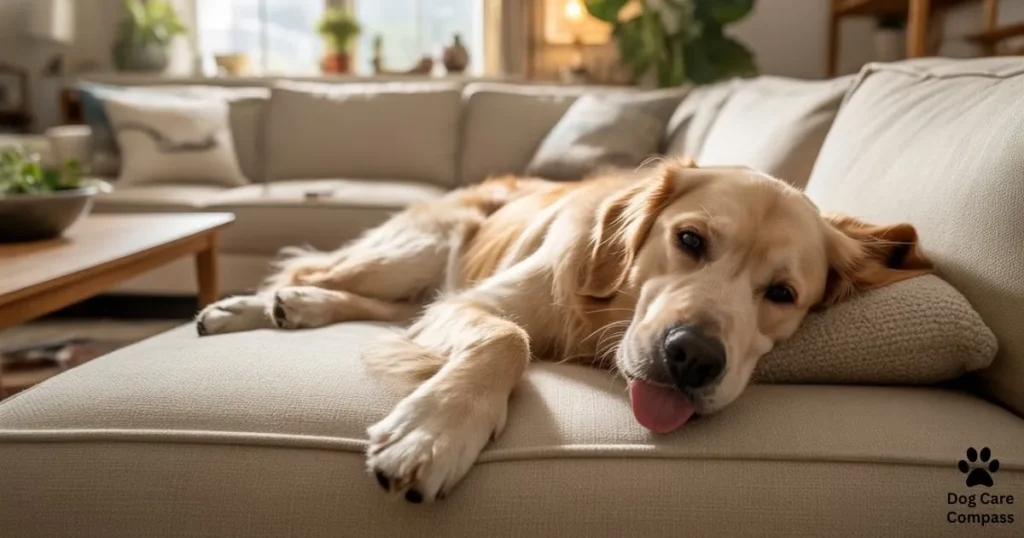
Many dogs sleep for extended periods after boarding — sometimes sixteen to eighteen hours in the first day home. Appetite typically returns after this recovery sleep.
3. Disrupted Routine
Dogs are routine animals. Boarding disrupts every element of the daily routine simultaneously — meal times, walk times, sleep location, social interaction, and environmental familiarity.
The routine disruption itself — independent of the stress — affects appetite. A dog that eats at 7am and 6pm daily may simply not be hungry at irregular times for a day or two while the body re-synchronizes to home rhythms.
4. Different Food at the Boarding Facility
Many boarding facilities feed different food than the dog eats at home — either a house kibble or a different brand brought by the owner that was served differently.
A dog returning to their regular food after several days on a different food may show temporary disinterest — the familiar smell triggers the expectation of the boarding food rather than signaling appetite for the home food.
5. Mild Digestive Upset
Dietary changes during boarding — different food, different water, different feeding schedule — can cause mild gastrointestinal disruption that suppresses appetite upon return.
This is particularly common in dogs with existing digestive sensitivity. The gut microbiome responds to environmental and dietary changes in ways that take several days to normalize.
6. Kennel Cough or Illness
While less common — dogs can pick up infections at boarding facilities despite vaccination requirements.
Kennel cough specifically causes throat irritation and mild nausea that reduces appetite. A dog returning from boarding with a mild cough alongside food refusal should be seen by a vet — kennel cough is treatable but contagious and worsens without attention.
Any combination of appetite loss with lethargy, coughing, nasal discharge, or vomiting warrants veterinary assessment rather than home monitoring.
Signs It Is Normal vs Concerning
Normal Post-Boarding Behavior
- Appetite reduced or absent for 12 to 48 hours
- More sleep than usual
- Clingier than normal with the owner
- Less interest in play for a day or two
- Loose stools for one to two days
- Drinking more water than usual
Signs That Need Veterinary Attention
- No eating for more than 48 hours
- Vomiting more than twice
- Diarrhea that persists beyond 48 hours
- Visible lethargy — not just tired, but genuinely unwell
- Coughing or nasal discharge
- Any sign of injury
- Dramatic behavior change beyond normal tiredness
How to Help Your Dog Eat After Boarding
Step 1 — Give Them Time and Space
The first thing most owners do is the wrong thing — they hover, offer multiple foods, hand feed, and generally increase the pressure around eating.
This communication of owner anxiety often amplifies the dog’s stress rather than reducing it.
Give the dog a calm, quiet space. Put the food down. Leave them alone with it for twenty minutes. Remove it without comment if they do not eat.
Step 2 — Reestablish the Home Routine Immediately
Feed at the exact normal meal times. Walk at the normal walk time. Sleep in the normal location.
The fastest way to normalize post-boarding appetite is to normalize everything else around it. A dog whose routine has been immediately restored settles and eats faster than one in an extended adjustment period.
Step 3 — Increase Palatability Without Changing Food
Rather than switching foods — which adds another dietary variable — make the existing food more appealing.
Effective palatability improvements:
- Warm the food slightly — increases aroma
- Add a small amount of low-sodium chicken broth
- Add a tablespoon of plain boiled chicken on top
- Offer at slightly smaller portion than usual — a full bowl can feel overwhelming to a dog with reduced appetite
Step 4 — Offer a Bland Recovery Meal If Needed
For dogs with mild digestive upset alongside appetite loss — a bland meal for one to two days helps settle the gut while providing some nutrition.
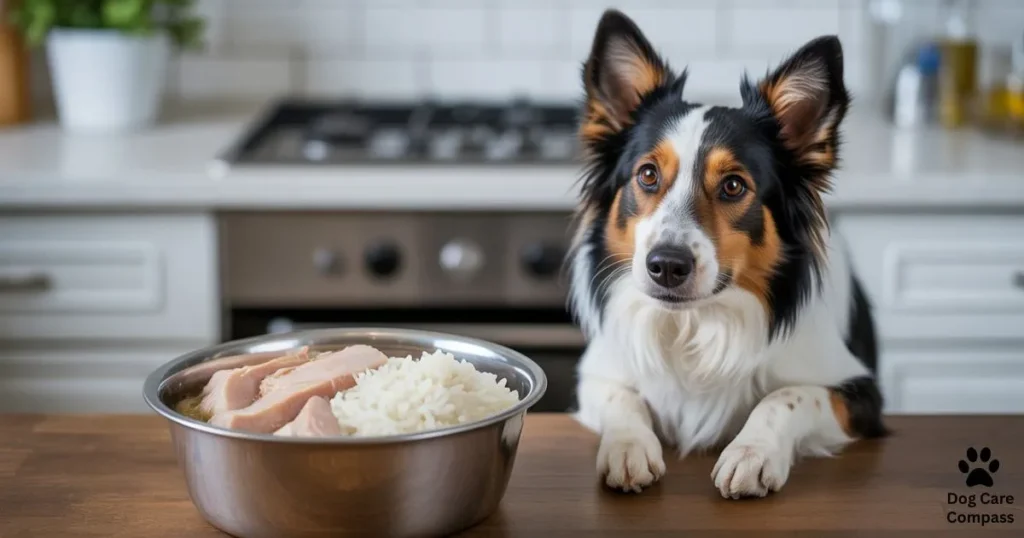
Plain boiled chicken and white rice in a 1:3 ratio is the standard recommendation. Small amounts frequently — four small meals rather than two large ones.
This approach is the same one used for digestive recovery after vomiting or diarrhea. Our rice and eggs guide covers simple recovery meal preparation that works equally well post-boarding.
Step 5 — Calm Exercise
A gentle walk — not vigorous exercise — at the normal time helps normalize the dog’s physiological state.
Movement supports digestive motility and helps regulate cortisol levels. A dog that has had a calm walk is more likely to show interest in food than one that has been completely sedentary since returning home.
Avoid vigorous exercise for the first day back — an exhausted dog needs recovery, not additional physical demand.
Step 6 — Monitor Without Panic
Check that water intake is normal — a dog drinking normally is a reassuring sign.
Note energy levels, stool quality, and any other behavioral changes alongside the appetite observation.
Most post-boarding appetite loss resolves within 24 to 48 hours without any intervention beyond routine restoration and patience.
Breed Considerations
German Shepherds
GSDs bond deeply with their owners and feel the separation of boarding more intensely than many breeds.
A GSD returning from boarding may show appetite suppression alongside other stress signals — clinginess, restlessness, or anxious behavior — for two to three days. This is breed-typical rather than concerning.
The GSD separation anxiety guide covers how this breed processes separation and what helps them readjust faster.
Belgian Malinois
Malinois are high-drive dogs that find boarding environments particularly stimulating and potentially stressful.
The combination of intense environmental stimulation and owner absence produces a more pronounced post-boarding adjustment period in Malinois than in most breeds.
Exercise is the fastest route to normalization for this breed — but on day one, gentle movement rather than vigorous activity produces the best recovery.
Puppies
Puppies are more vulnerable to post-boarding appetite loss than adult dogs — and the acceptable monitoring window is shorter.
A puppy not eating for more than twelve hours after boarding warrants a vet call regardless of other symptoms. Puppies dehydrate and develop hypoglycemia faster than adult dogs when not eating.
Prevention — For Future Boarding
The severity of post-boarding appetite loss often reflects how prepared the dog was for the experience.
Before future boarding:
- Visit the facility with the dog once or twice before the first stay — familiarization reduces stress
- Leave a worn item of clothing with familiar smell — reduces owner-absence anxiety
- Provide the facility with the dog’s exact food and feeding schedule
- Board for one night before longer stays — gradual exposure produces calmer dogs
- Choose facilities with individual runs rather than group kennels for anxious breeds
For dogs with significant boarding stress — discuss anti-anxiety options with your vet before the next boarding stay. Situational medication during boarding is appropriate for dogs that show severe stress responses.
Diet Support for Post-Boarding Recovery
A dog returning from boarding whose gut microbiome has been disrupted by dietary changes benefits from probiotic support alongside dietary restoration.
Plain unsweetened yogurt — a small spoonful — or a canine probiotic supplement supports microbiome recovery. This is particularly relevant for dogs with existing digestive sensitivity.
Dogs eating high-quality whole food diets before boarding tend to recover gut function faster than those eating heavily processed diets. The sensitive stomach guide covers dietary foundations that support gut resilience through disruptions like boarding.
Frequently Asked Questions
How long is it normal for a dog to not eat after boarding?
Should I offer different food to get my dog eating?
My dog is drinking water but not eating — is that okay?
Can boarding cause long-term appetite changes?
Should I avoid boarding in future if my dog reacts this way?
My dog seems depressed after boarding — is this normal?
Final Summary
- Post-boarding appetite loss is very common and almost always temporary
- Primary causes are stress, exhaustion, routine disruption, and mild digestive upset
- Monitor for 48 hours in adult dogs — call vet sooner if other symptoms appear
- Restore the home routine immediately — this normalizes appetite faster than any food intervention
- Make regular food more palatable rather than switching foods
- A bland recovery meal helps dogs with digestive upset alongside appetite loss
- Puppies need vet contact after 12 hours without eating — shorter safe window
- Prevention through gradual boarding exposure reduces stress for future stays
Do this when your dog comes home: Put their food down at the normal meal time in the normal location. Leave them alone with it for twenty minutes. Remove it without fuss. Offer again at the next normal meal time. That simple routine restoration — without pressure or hovering — resolves most post-boarding appetite issues within 24 hours.
For more dog health and nutrition guides, explore the complete library at dogcarecompass.com.