
Dog Reverse Sneezing Home Remedy: Causes, Relief Tips, and When to Worry
The first time my dog had a reverse sneezing episode, I panicked completely. The sound was unlike anything I had heard before — a rapid, honking, gasping noise that lasted about thirty seconds while he stood rigid with his neck stretched forward. I was halfway to my phone to call an emergency vet when it stopped as suddenly as it started, and he shook his head and trotted off like nothing had happened.
If you have witnessed this and found yourself here, you already know that feeling.
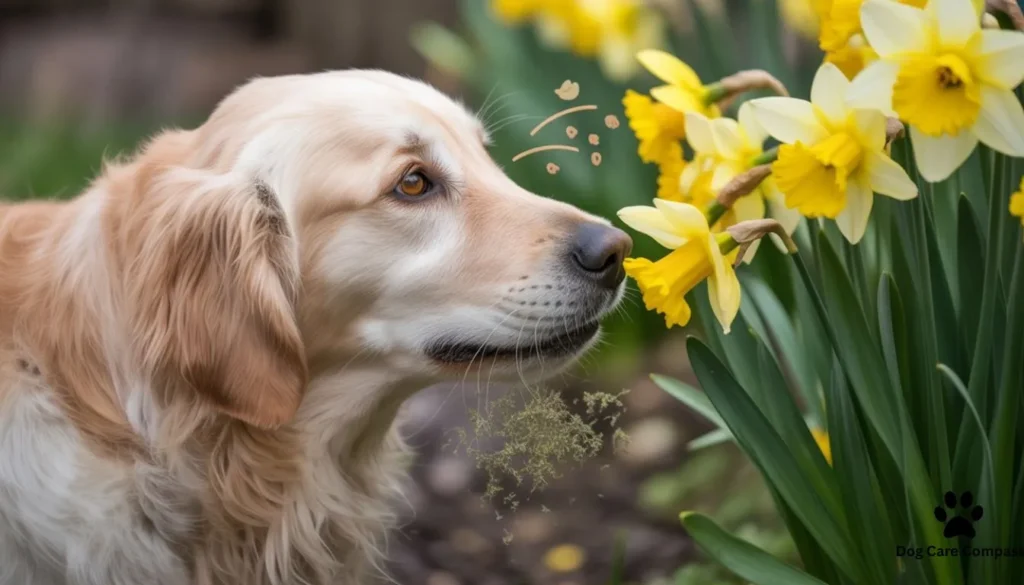
What is dog reverse sneezing? Reverse sneezing — also called pharyngeal gag reflex or inspiratory paroxysmal respiration — is a sudden, repeated forced inhalation through the nose that produces a distinctive honking or snorting sound. It looks alarming but is almost always harmless. Most episodes last 30 seconds to 2 minutes and resolve completely on their own.
Quick Answer
| Question | Answer |
|---|---|
| Is reverse sneezing dangerous? | Usually no — typically harmless |
| How long do episodes last? | 30 seconds to 2 minutes |
| Does it need vet treatment? | Rarely — most cases resolve alone |
| Can I stop an episode at home? | Yes — several methods work reliably |
| When is it serious? | If episodes are frequent or increasing |
What Causes Reverse Sneezing in Dogs?
Reverse sneezing happens when something irritates the soft palate or nasopharynx — the area at the back of the nasal passage. The dog responds with rapid inhalations that pull the soft palate downward, causing the characteristic sound and appearance.
Common triggers include:
- Excitement or overexcitement — one of the most frequent causes
- Pulling on a collar or leash — pressure on the throat
- Eating or drinking too quickly
- Strong scents — perfume, cleaning products, air freshener
- Dust, pollen, or other airborne irritants
- Post-nasal drip from seasonal allergies
- Sudden changes in temperature
- Sleeping in an unusual position
Some dogs reverse sneeze occasionally their entire lives with no underlying problem. Others develop it more frequently as a response to allergies or anatomical factors specific to their breed.
Which Dogs Are Most Prone to Reverse Sneezing?
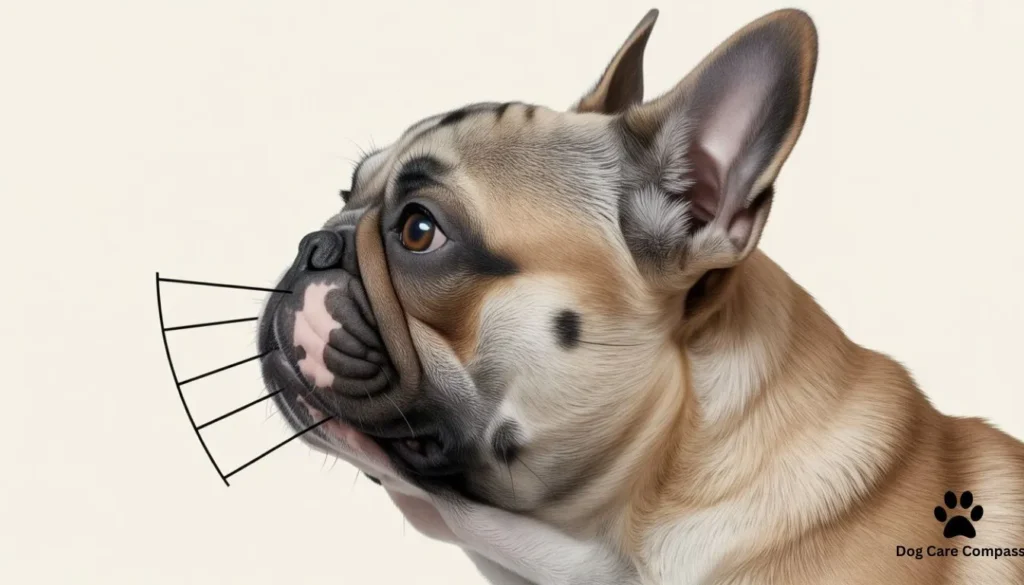
Any dog can reverse sneeze — but certain types are significantly more prone.
Brachycephalic breeds — flat-faced dogs like Bulldogs, Pugs, and Boxers — have anatomical characteristics that make reverse sneezing more frequent. Their elongated soft palates create more opportunity for irritation during breathing.
Small breeds — Beagles, Chihuahuas, Miniature Schnauzers — tend to reverse sneeze more than larger breeds, though the reason is not entirely clear.
German Shepherds and Belgian Malinois — despite being large, athletically built dogs — can develop reverse sneezing triggered by excitement or physical exertion. A high-drive dog returning from a vigorous run will sometimes reverse sneeze as breathing and heart rate normalize. This is completely normal for active breeds and resolves as they settle.
Home Remedies for Dog Reverse Sneezing
Most episodes resolve on their own within two minutes. These methods can shorten an episode or help a dog recover faster.
1. Stay Calm Yourself
This sounds obvious but matters more than owners expect. Dogs read human energy immediately. An owner who rushes over in panic, makes alarmed sounds, or tries to physically intervene often extends an episode rather than shortening it.
Stand nearby, speak in a calm, low tone, and avoid touching the dog’s throat during the episode.
2. Gently Cover the Nostrils
Briefly and gently covering both nostrils with your fingers — for just one or two seconds — causes the dog to swallow, which often resets the soft palate and ends the episode immediately.
Do not hold the nostrils closed. A single brief cover is sufficient. This is the most reliably effective home intervention for reverse sneezing and works in the majority of episodes.
3. Gentle Throat Massage
Light, gentle stroking along the throat — from chin to chest — can help relax the soft palate during an episode. Some dogs respond immediately. Others show no change.
Use the lightest possible touch. Pressing firmly on the throat during a breathing episode is counterproductive.
4. Encourage Swallowing
Offering a small amount of water immediately after an episode encourages swallowing and helps clear any irritant from the nasopharynx. Do not offer water during an active episode — wait until breathing has normalized.
A dog that sneezes normally after a reverse sneeze episode has almost certainly cleared whatever was causing the irritation.
5. Move to a Different Environment
If the episode appears triggered by an environmental irritant — a specific room, after cleaning, outdoors during high pollen — moving the dog to a different environment can prevent follow-up episodes.
Fresh air in a non-irritant environment often helps a dog settle faster after an episode. This is particularly relevant for dogs whose reverse sneezing correlates with seasonal allergies or household chemical exposure.
6. Address Underlying Allergies
Dogs that reverse sneeze frequently — multiple times per week or daily — often have an underlying allergic component driving repeated soft palate irritation.
Environmental allergens are the most common driver. The same allergens that cause chronic paw licking at night — dust mites, pollen, mold — frequently trigger nasal irritation that manifests as reverse sneezing. A dog showing both symptoms likely has environmental allergies worth addressing systematically rather than managing each symptom in isolation.
Dietary allergies can also contribute. A dog eating food that creates low-grade gut and immune inflammation often shows multiple allergy-related symptoms simultaneously — skin issues, digestive sensitivity, and nasal irritation among them. The approach to feeding dogs with food sensitivities addresses this foundation directly.
7. Collar and Leash Adjustment
Dogs that reverse sneeze consistently during walks — particularly when they pull — often have a direct mechanical trigger. Collar pressure on the throat stimulates the same reflex as other irritants.
Switching from a collar to a harness eliminates this trigger almost entirely for dogs where leash pressure is the primary cause. This is a simple, cost-free-to-try intervention worth testing before assuming a medical cause.
What a Reverse Sneezing Episode Looks Like
Understanding the visual presentation helps owners distinguish reverse sneezing from genuinely concerning respiratory events.
During a reverse sneeze episode:
- The dog stands with front legs apart, neck extended forward
- The mouth is typically closed or slightly open
- The chest does not heave — the movement is in the throat and nose
- The sound is rhythmic, honking, or snorting — not wheezing
- The dog is conscious and aware throughout — eyes are open and focused
- The episode ends suddenly, often followed by a normal sneeze or head shake
The dog is not in danger of suffocating during a reverse sneeze. Air is moving — the episode involves forced inhalation, not airway blockage. This is the critical distinction from a choking event, where the dog cannot move air at all.
Reverse Sneezing vs. Other Respiratory Events — How to Tell the Difference
This is where owners most commonly become confused — and where getting it right actually matters.
| Event | Sound | Dog’s Position | Duration | Consciousness |
|---|---|---|---|---|
| Reverse sneeze | Honking, snorting | Standing, neck extended | 30 sec – 2 min | Fully aware |
| Regular sneeze | Single sharp expulsion | Any | Seconds | Fully aware |
| Choking | Gagging, no air movement | Distressed, pawing at mouth | Any | Distressed |
| Collapsing trachea | High-pitched wheeze | Any | Ongoing | Distressed |
| Kennel cough | Deep, honking cough | Any | Ongoing | Aware but unwell |
The key distinction between reverse sneezing and choking is air movement. A dog that is reverse sneezing is moving air — just in an unusual pattern. A dog that is choking is not moving air and will show escalating distress and panic.
If you are ever uncertain whether your dog is reverse sneezing or choking — treat it as choking and contact your vet immediately.
When Reverse Sneezing Needs Veterinary Attention
Most reverse sneezing is benign and requires no treatment. These signs indicate a vet visit is needed:
- Episodes occurring multiple times daily on a consistent basis
- Episodes lasting longer than 2 minutes regularly
- Reverse sneezing accompanied by nasal discharge — clear, yellow, or bloody
- Nosebleeds occurring alongside or after episodes
- Visible facial swelling around the nose or eyes
- Snoring or noisy breathing between episodes
- Weight loss or decreased appetite alongside new onset reverse sneezing
- Sudden increase in frequency in a dog that rarely reversed sneezed before
Sudden onset of frequent reverse sneezing in a middle-aged or senior dog — particularly with nasal discharge — warrants prompt veterinary investigation. Nasal tumors, fungal infections, and foreign bodies in the nasal passage all present with symptoms that can initially resemble increased reverse sneezing.
According to veterinary guidance, persistent or suddenly worsening reverse sneezing in older dogs should always be investigated rather than attributed to normal variation without examination.
Breed-Specific Considerations
German Shepherds
German Shepherds reverse sneeze more commonly during and after intense physical activity. The combination of excitement and rapid breathing during vigorous exercise creates the conditions for soft palate irritation.
A GSD that reverse sneezes consistently after runs or play — and settles quickly once breathing normalizes — is showing a normal physiological response to exertion. No treatment is needed.
GSDs that reverse sneeze at rest, frequently, or with nasal discharge present a different picture worth investigating. Understanding the full health picture for this breed — including the conditions most likely to cause respiratory symptoms — is covered in our German Shepherd complete guide.
Belgian Malinois
Belgian Malinois are similarly high-drive dogs where exercise-triggered reverse sneezing is common. Their intensity during physical activity creates the same breathing pattern changes that predispose GSDs to occasional episodes.
The full health and care picture for Malinois — including what is normal versus what needs attention — is covered in detail in the Belgian Malinois owner’s guide.
Long Hair German Shepherds
Long Hair GSDs have additional considerations around nasal health — their longer facial fur can trap irritants closer to the nostrils than standard coat dogs. Regular cleaning of the fur around the nose and face reduces irritant accumulation and can decrease episode frequency in dogs prone to allergy-triggered reverse sneezing.
Diet and Immune Health — The Connection to Recurring Episodes
Dogs that reverse sneeze frequently — particularly those with concurrent skin, digestive, or ear issues — often have an underlying immune dysregulation driving multiple symptoms simultaneously.
Diet plays a more significant role in immune regulation than most owners realize. A dog eating clean, whole-food meals with minimal processed ingredients tends to show lower baseline inflammation across all body systems — including the nasal and respiratory tissues involved in reverse sneezing.
For dogs managing conditions that affect immune function — including Cushing’s disease, which suppresses immune regulation and makes dogs more susceptible to inflammatory responses — respiratory symptoms like frequent reverse sneezing often improve alongside dietary management of the underlying condition.
Frequently Asked Questions
Is reverse sneezing painful for dogs?
No. The episode is startling and the dog is aware of it, but reverse sneezing does not cause pain. Dogs return to normal behavior immediately after an episode — which is the clearest indicator that it was not a distressing physical experience.
Can I prevent reverse sneezing entirely?
Not always — but identifying triggers reduces frequency significantly. Switching to a harness, avoiding strong scents, managing seasonal allergies, and slowing meal pace all reduce episodes in trigger-specific cases.
My dog reverse sneezes every day — is that normal?
Daily reverse sneezing warrants a vet check. While occasional episodes are benign, daily occurrence suggests a persistent irritant — allergic, environmental, or anatomical — worth identifying and addressing.
Should I time my dog’s reverse sneezing episodes?
Yes — if episodes are becoming more frequent. Noting duration, frequency, time of day, and any associated activities gives your vet valuable diagnostic information that accelerates identifying the cause.
Does reverse sneezing get worse with age?
It can — particularly if the underlying trigger is progressive allergies or anatomical changes. Sudden worsening in an older dog always warrants investigation.
Can puppies reverse sneeze?
Yes. Puppies reverse sneeze as commonly as adult dogs. The same triggers apply — excitement, eating too fast, irritants. The same home interventions work. If a puppy reverse sneezes frequently, a vet check rules out anatomical causes.
Final Summary
- Reverse sneezing is almost always harmless — most episodes resolve within 2 minutes on their own
- Gently covering the nostrils for one second is the most reliably effective home intervention
- Common triggers include excitement, leash pressure, irritants, and seasonal allergies
- Switching to a harness eliminates leash-pressure triggered episodes almost entirely
- Daily or increasing episodes warrant a vet visit — occasional episodes do not
- Nasal discharge, nosebleeds, or facial swelling alongside reverse sneezing need prompt veterinary assessment
- Dogs with concurrent skin, digestive, or ear issues may have underlying allergies driving multiple symptoms
For more dog health guides covering symptoms, home care, and when to seek veterinary attention, explore the complete library at dogcarecompass.com.
Pingback: Dog Hiccups Won't Stop? Here's Exactly What to Do - Dog Care Compass