
Nobody expects the diagnosis.
You take your dog to the vet because they’re drinking more water than usual, their belly looks a little rounder, and they seem tired all the time. Then the vet says the words — Cushing’s disease — and suddenly you’re googling everything at midnight, trying to figure out what this actually means for your dog’s life.
One of the first real questions most owners land on is: what do I feed them now?
That question matters more than people realize. A proper cushing disease dog diet doesn’t cure the condition — but the right food choices can dramatically reduce symptoms, support your dog’s quality of life, and work alongside whatever treatment your vet has prescribed.
Most people don’t realize how directly food affects a Cushing’s dog’s daily comfort. Getting the cushing disease dog diet wrong means fighting against your dog’s body every single day. Getting it right means giving them a real chance at feeling better — even with a lifelong condition.
This guide gives you the full picture. We’ll cover what Cushing’s actually does to your dog’s body, which foods actively help, which ones make things worse, and how to build a cushing disease dog diet plan that works in real life — not just on paper.
What Is Cushing’s Disease in Dogs?
Cushing’s disease — medically called hyperadrenocorticism — happens when your dog’s body produces too much cortisol. Cortisol is a stress hormone made by the adrenal glands, and in normal amounts, it helps regulate metabolism, immune response, and inflammation.
When cortisol stays chronically elevated, it starts breaking things down.
The most common cause is a small benign tumor on the pituitary gland in the brain, which sends faulty signals to the adrenal glands telling them to keep pumping out cortisol. This is called pituitary-dependent Cushing’s and accounts for roughly 80 to 85% of all cases.
The remaining 15 to 20% come from a tumor directly on the adrenal gland itself.
The reason diet matters so much is because excess cortisol fundamentally changes how your dog processes nutrients — especially protein, fat, glucose, and minerals. If you feed a Cushing’s dog the same way you’d feed a healthy dog, you’re working against their body instead of with it.
How Cushing’s Disease Affects Nutrition and Digestion
Before jumping into food lists, it helps to understand what’s actually happening inside your dog.
Protein breakdown: High cortisol causes the body to break down muscle tissue for energy. This is called muscle wasting, and you’ll often see it as a pot-bellied appearance — the belly expands while the limbs look thinner.
Insulin resistance: Chronic cortisol elevation interferes with insulin function, pushing many Cushing’s dogs toward prediabetic or diabetic states. High-carbohydrate foods spike blood sugar rapidly, which puts extra strain on an already-stressed system.
Increased appetite and weight gain: Cortisol directly stimulates appetite. Most Cushing’s dogs seem constantly hungry, which makes overfeeding a real risk even when owners have good intentions.
Weakened immune function: High cortisol suppresses the immune system over time, making Cushing’s dogs more vulnerable to infections, skin issues, and urinary tract problems.
Kidney and liver stress: The liver is heavily involved in processing cortisol. Long-term Cushing’s puts significant strain on both liver and kidney function, which means the diet needs to support — not overload — these organs.
Understanding these mechanisms is what makes a targeted Cushing disease dog diet so much more effective than just feeding “healthy” food generally.
The Core Principles of a Cushing’s Disease Dog Diet
There is no single approved prescription diet specifically for Cushing’s disease the way there is for kidney disease. But there are clear nutritional principles that most veterinary nutritionists agree on.
Low to Moderate Fat
Cushing’s dogs are already prone to weight gain and have a higher-than-normal risk of pancreatitis — inflammation of the pancreas triggered by high-fat meals. A diet too rich in fat can tip a Cushing’s dog into a pancreatitis episode, which is painful, sometimes dangerous, and requires immediate vet care.
Look for dog food with a fat content of around 12% or lower on a dry matter basis. This is especially important for dogs who are already overweight due to their condition.
Low Glycemic Carbohydrates
Since Cushing’s dogs are prone to insulin resistance, the type of carbohydrates in their diet matters enormously. High-glycemic ingredients like white rice, white potato, corn syrup, and refined starches spike blood glucose fast and hard.
Lower glycemic options — sweet potato, lentils, oats, barley, and brown rice — release glucose more slowly, keeping blood sugar more stable throughout the day.
High-Quality Lean Protein
Even though Cushing’s dogs are already breaking down muscle, reducing protein too much is not the answer. They need adequate high-quality protein to maintain lean muscle mass and support immune function.
The key word is quality. Lean, highly digestible proteins — like chicken breast, turkey, white fish, and eggs — work better than fatty cuts or heavily processed meat meals.
Fiber for Blood Sugar and Gut Health
Dietary fiber slows digestion, which in turn slows glucose absorption and helps with the constant hunger that Cushing’s dogs experience. Both soluble fiber (from oats, sweet potato, and legumes) and insoluble fiber (from vegetables) play a useful role here.
Dogs with digestive sensitivity alongside Cushing’s often do particularly well on higher-fiber diets. If your dog already has a history of stomach upset or loose stools, building fiber into their meals carefully — not all at once — makes a real difference. Many owners dealing with multiple digestive issues in their Cushing’s dogs have found that transitioning to a homemade dog food diet for sensitive stomachs gives them more control over exactly what goes in.
Best Foods for Dogs with Cushing’s Disease
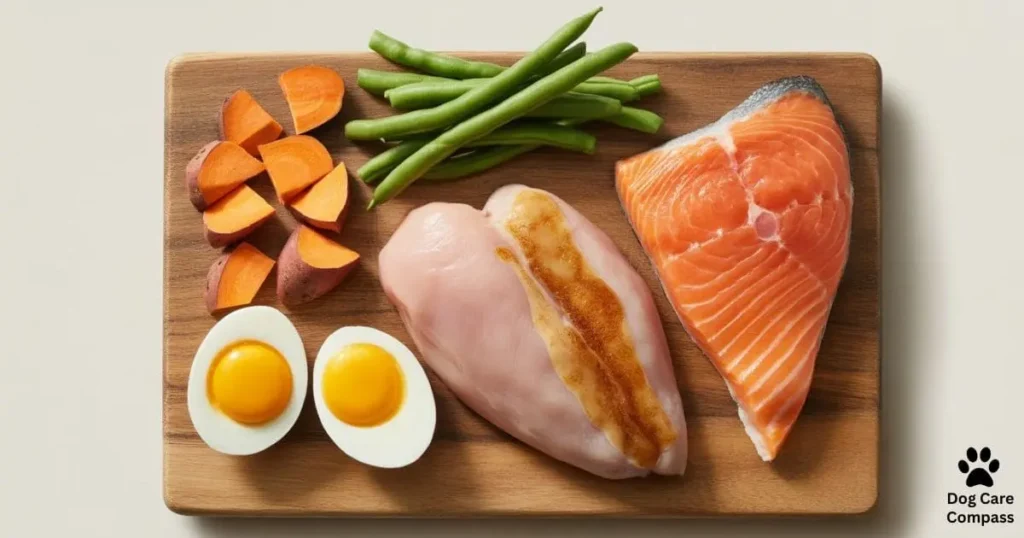
Here is what to actually put in the bowl.
Lean proteins:
- Chicken breast (skinless, boneless)
- Ground turkey (lean, not fatty)
- White fish like cod or tilapia
- Eggs (excellent bioavailability, easy to digest)
- Canned sardines in water (also provides omega-3s)
Low-glycemic carbohydrates:
- Sweet potato (baked or boiled, no added butter or seasoning)
- Brown rice
- Oats (plain, cooked)
- Lentils
- Barley
Vegetables high in fiber and antioxidants:
- Broccoli (in moderation)
- Zucchini
- Green beans
- Spinach (small amounts — too much can affect calcium absorption)
- Pumpkin (outstanding for digestion and fiber)
Healthy fats in small amounts:
- Salmon oil (anti-inflammatory omega-3s)
- Flaxseed oil
- Coconut oil (use sparingly — still a fat source)
Fruits as occasional treats:
- Blueberries (low sugar, high antioxidants)
- Watermelon (seedless, no rind)
Some owners wonder about fresh fruits like papaya or raspberries as snack additions for their Cushing’s dogs. Both are low in fat and contain useful antioxidants — you can read more about whether dogs can eat papaya and whether dogs can eat raspberries before adding them to rotation.
Foods to Avoid with Cushing’s Disease
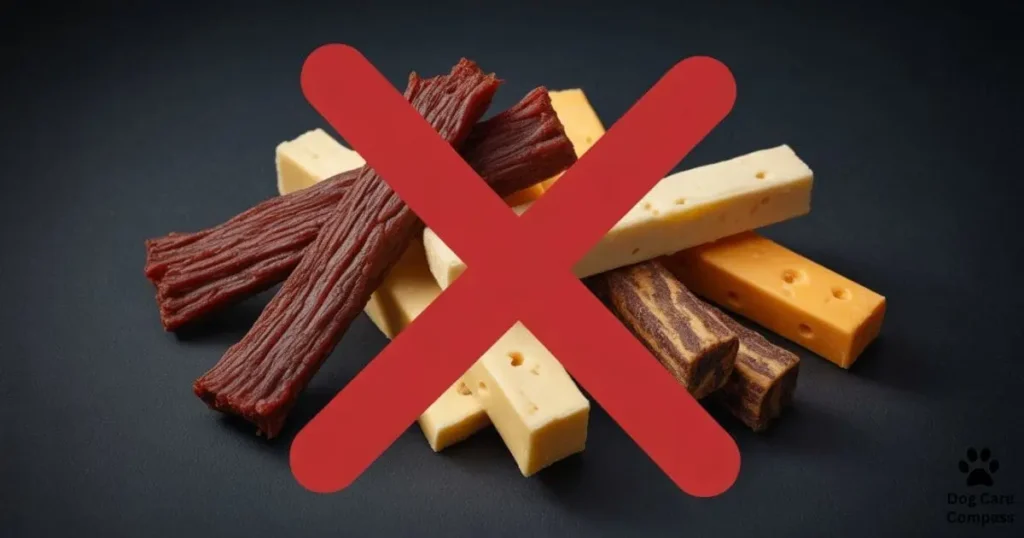
Knowing what to cut out is just as important as knowing what to add.
| Food to Avoid | Why It’s Harmful for Cushing’s Dogs |
|---|---|
| High-fat meats (pork belly, lamb, fatty beef) | Pancreatitis risk, weight gain |
| Corn, white rice, white potato | High glycemic, spikes blood sugar |
| Processed dog treats | Often high in sodium and fat |
| Beef jerky or salty snacks | Sodium load stresses kidneys |
| Dairy products (cheese, milk) | High fat, digestive disruption |
| Sugary fruits (grapes, raisins) | Toxic + high sugar content |
| Table scraps | Unpredictable fat and sodium content |
On the topic of salty treats specifically — processed snacks like beef jerky carry real risks for dogs even in healthy animals. For a dog managing Cushing’s, the combination of high sodium and preservatives puts unnecessary strain on kidneys that are already working harder than normal.
Homemade vs. Commercial Dog Food for Cushing’s Disease

Both options can work. But they come with different tradeoffs.
Commercial Dog Food
Look for formulas that are:
- Moderate to low in fat (under 12% on dry matter basis)
- Free from artificial preservatives like BHA, BHT, and ethoxyquin
- Built on whole protein sources as the first ingredient
- Low in filler carbohydrates
Some owners gravitate toward food formulated for dogs with specific sensitivities. For instance, dogs dealing with acid reflux alongside Cushing’s often need a formula that addresses both issues simultaneously — you can find vet-aligned guidance on that in our breakdown of the best dog food for acid reflux.
When reviewing commercial brands, look beyond marketing claims and read the actual ingredient list. A food that lists chicken meal, corn syrup, and white rice in the first five ingredients is not a good fit for a Cushing’s dog, regardless of what the front of the bag says. Our honest review of whether Nutrish is a good dog food walks through exactly how to evaluate those labels critically.
Homemade Dog Food
Homemade diets give you full ingredient control — which for Cushing’s dogs is a significant advantage. You can fine-tune fat content, choose low-glycemic carbs, and rotate proteins based on what your dog tolerates best.
The main risk is nutritional imbalance over time. A homemade diet that’s well-intentioned but lacks key micronutrients — like calcium, zinc, or specific B vitamins — can create new problems while solving others.
If you go the homemade route, get a full nutritional evaluation from a board-certified veterinary nutritionist. They can review your recipe and tell you exactly what’s missing and how to supplement it.
A sample balanced homemade meal for a medium-sized Cushing’s dog might look like this:
- 150g cooked chicken breast
- 80g cooked sweet potato
- 50g steamed green beans
- 1 teaspoon salmon oil
- A sprinkle of calcium supplement (as directed by your vet)
Simple, low-fat, low-glycemic, and easy to prepare in batches.
Supplements That Support Cushing’s Dogs
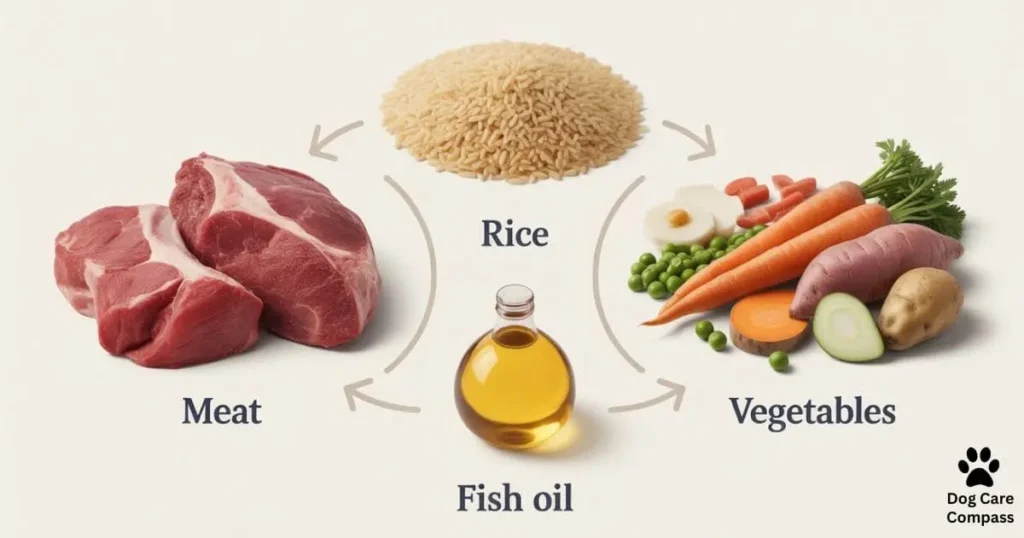
Diet works even better when paired with the right supplements. These are the ones most commonly recommended for Cushing’s dogs:
Omega-3 fatty acids (fish oil): Reduce systemic inflammation, support skin and coat health, and help with the elevated cortisol’s inflammatory effects. Cushing’s dogs often develop thin, fragile skin and a poor coat — omega-3s help significantly.
Digestive enzymes and probiotics: Support gut health and improve nutrient absorption. Since Cushing’s affects the entire digestive process, keeping the gut microbiome balanced is genuinely helpful.
Milk thistle (silymarin): Often recommended to support liver health in dogs with long-term Cushing’s. The liver takes a heavy burden from chronic cortisol excess. Milk thistle has shown hepatoprotective properties in several studies.
Vitamin C and E: Antioxidants that help neutralize some of the oxidative stress caused by chronic cortisol elevation.
Always run supplements by your vet before adding them, especially if your dog is on trilostane or mitotane for Cushing’s management. Some supplements can interfere with medication effectiveness.
Feeding Schedule: How Often Should Cushing’s Dogs Eat?
Two to three smaller meals per day works better than one large meal for Cushing’s dogs.
Here’s why: Cushing’s dogs are hungry almost constantly due to cortisol’s appetite-stimulating effects. Spreading meals out reduces that desperate, frantic hunger between feedings. Smaller meals also reduce the glycemic spike that comes from eating a large amount at once, which matters for dogs trending toward insulin resistance.
Stick to consistent meal times. Dogs with hormonal disorders benefit from routine — it reduces stress, which in turn supports more stable cortisol patterns throughout the day.
Avoid free-feeding. Cushing’s dogs left to graze will overeat, and weight management is already one of the biggest challenges with this condition.
Weight Management in Cushing’s Dogs
Most Cushing’s dogs gain weight even when they’re not overeating, because elevated cortisol shifts how the body stores fat — especially around the abdomen. That pot-belly appearance is almost universal in the condition.
Managing weight requires a combination of:
- Controlled calorie intake (work with your vet to calculate appropriate daily calories)
- Low-fat diet composition
- Gentle, consistent exercise appropriate to your dog’s current health
Heavy exercise isn’t appropriate for dogs in active Cushing’s flare. Short, regular walks are far better than irregular intense activity.
As your vet’s prescribed treatment (trilostane or mitotane) brings cortisol levels down, weight management becomes easier. Diet and medication work together here — neither is fully effective without the other.
Gut Health and Cushing’s Disease
There’s an underappreciated connection between Cushing’s disease and gut health. Chronically elevated cortisol disrupts the gut microbiome — the community of bacteria that live in your dog’s digestive tract and influence everything from immune function to nutrient absorption.
Dogs with Cushing’s often experience:
- Loose stools or diarrhea
- Increased susceptibility to gastrointestinal infections
- Slower gut motility
- Poor nutrient absorption despite eating adequately
Feeding a gut-supportive diet — rich in fiber, low in processed ingredients, with added probiotics — helps address these secondary effects. Building long-term gut health in dogs matters even more when hormonal disease is already stressing the system.
If your dog is experiencing frequent vomiting or diarrhea alongside their Cushing’s symptoms, those need addressing through diet and, if necessary, supportive care. Our guides on vomiting in dogs and what to give a dog for diarrhea cover the practical steps for managing those episodes at home while keeping your vet in the loop.
Breed-Specific Notes
While Cushing’s disease can affect any dog, certain breeds are statistically more predisposed:
- Poodles
- Dachshunds
- Boxers
- Boston Terriers
- Beagles
- German Shepherds (in older dogs)
If you own a German Shepherd, understanding their baseline nutritional needs makes managing a Cushing’s diagnosis significantly easier. Our complete German Shepherd owner’s guide covers everything from standard dietary needs to age-related health considerations.
The condition is most common in middle-aged to older dogs, typically showing up between 6 and 12 years of age. Early recognition and dietary adjustment give your dog the best possible quality of life going forward.
Sample Weekly Meal Plan for a Cushing’s Dog
Here’s a practical starting framework for a 30-pound dog. Adjust portions based on your vet’s caloric guidance.
| Day | Protein | Carb | Vegetable | Fat Source |
|---|---|---|---|---|
| Monday | Chicken breast | Sweet potato | Green beans | Salmon oil |
| Tuesday | Turkey (lean) | Oats | Zucchini | Flaxseed oil |
| Wednesday | White fish (cod) | Brown rice | Broccoli | Salmon oil |
| Thursday | Eggs (2 whole) | Lentils | Pumpkin | None needed |
| Friday | Chicken breast | Barley | Spinach (small) | Salmon oil |
| Saturday | Sardines (in water) | Sweet potato | Green beans | None needed |
| Sunday | Turkey (lean) | Brown rice | Zucchini | Flaxseed oil |
Rotate proteins to avoid developing food sensitivities. Introduce new ingredients one at a time so you can identify anything that doesn’t agree with your dog’s stomach.
FAQ: Cushing Disease Dog Diet
Q: Can a dog with Cushing’s disease eat chicken?
Yes — plain, skinless chicken breast is one of the best protein sources for Cushing’s dogs. It’s lean, highly digestible, and doesn’t add excessive fat that could trigger pancreatitis. Avoid dark meat and skin, which are significantly higher in fat.
Q: Should I put my Cushing’s dog on a grain-free diet?
Not necessarily. Grain-free diets replace grains with legumes like peas and lentils, which have their own glycemic impact. Whole grains like oats, barley, and brown rice are actually lower glycemic than many legume-heavy grain-free formulas. Focus on the glycemic index of the carbs rather than whether they contain grains.
Q: My Cushing’s dog is always hungry. What can I do?
This is the cortisol driving appetite — it’s not genuine hunger in the traditional sense. Feeding smaller, fiber-rich meals more frequently helps. Adding plain canned pumpkin (not pie filling) to meals adds bulk and fiber without significant calories, which can reduce that frantic hunger between meals.
Q: Can I give my Cushing’s dog treats?
Yes, but choose carefully. Low-fat, low-sodium treats are the only appropriate option. Plain blueberries, small pieces of cooked chicken, or dehydrated single-ingredient dog treats work well. Avoid commercial treats high in fat, salt, or artificial additives.
Q: Is homemade food better than commercial food for Cushing’s dogs?
Both can be appropriate. Homemade gives you more control, but requires careful nutritional balancing with veterinary guidance. High-quality commercial food formulated for digestive or metabolic sensitivities is a reasonable alternative for owners who can’t commit to homemade meal prep.
Q: How long does it take to see dietary improvements in a Cushing’s dog?
With the right diet in place alongside proper medical treatment, most owners notice improvements in energy, coat quality, and digestion within 4 to 8 weeks. Weight changes take longer — sometimes 3 to 6 months — because cortisol-driven fat distribution doesn’t reverse overnight.

Conclusion: Diet Is a Powerful Tool, Not a Cure
Cushing’s disease is a lifelong condition. There’s no food that reverses it, and diet alone can’t replace the medical treatment your vet prescribes. But what you put in your dog’s bowl every single day — the quality of protein, the type of carbohydrates, the fat content, the fiber — directly affects how well your dog feels, how well their body handles the excess cortisol, and how much quality of life they maintain through treatment.
The owners who see the best outcomes are the ones who treat diet as a serious part of their dog’s care plan, not an afterthought.
Start with the fundamentals: low fat, low glycemic carbs, high-quality lean protein, and consistent meal times. Work with your vet on the medical side. Build from there.
Your dog is counting on you to get this right — and now you have everything you need to do exactly that.
Managing your dog’s overall health goes beyond one condition. Explore our guides on gut health for dogs, homemade dog food for sensitive stomachs, and what to feed a dog with diarrhea for more practical, vet-aligned nutrition guidance.
Pingback: Dog Licking Paws at Night: Causes, Remedies, and When to See a Vet - Dog Care Compass
Pingback: Can Dogs Eat Star Fruit? Safe or Dangerous? (Vet-Backed Guide) - Dog Care Compass