Why Does My Dog Sleep So Much All of a Sudden? 8 Real Reasons Explained
My German Shepherd slept for fourteen hours straight on a Thursday. He had been completely normal Wednesday — ate well, walked enthusiastically, played fetch in the garden. Thursday he barely lifted his head from his bed.
I spent most of that day watching him, trying to decide if something was wrong. He was breathing normally. He was not vomiting. When I did get him up, he moved without obvious pain. He ate dinner slowly but he ate it.
By Friday he was completely back to normal.
That experience taught me to pay attention to pattern rather than single observations. One day of unusual sleep in a dog that is otherwise completely normal is almost never an emergency. A gradual but sustained increase in sleep duration over days or weeks in a dog that used to be active — that is something worth investigating.
The difference between those two situations is what this guide covers.
What Is Normal Sleep for Dogs
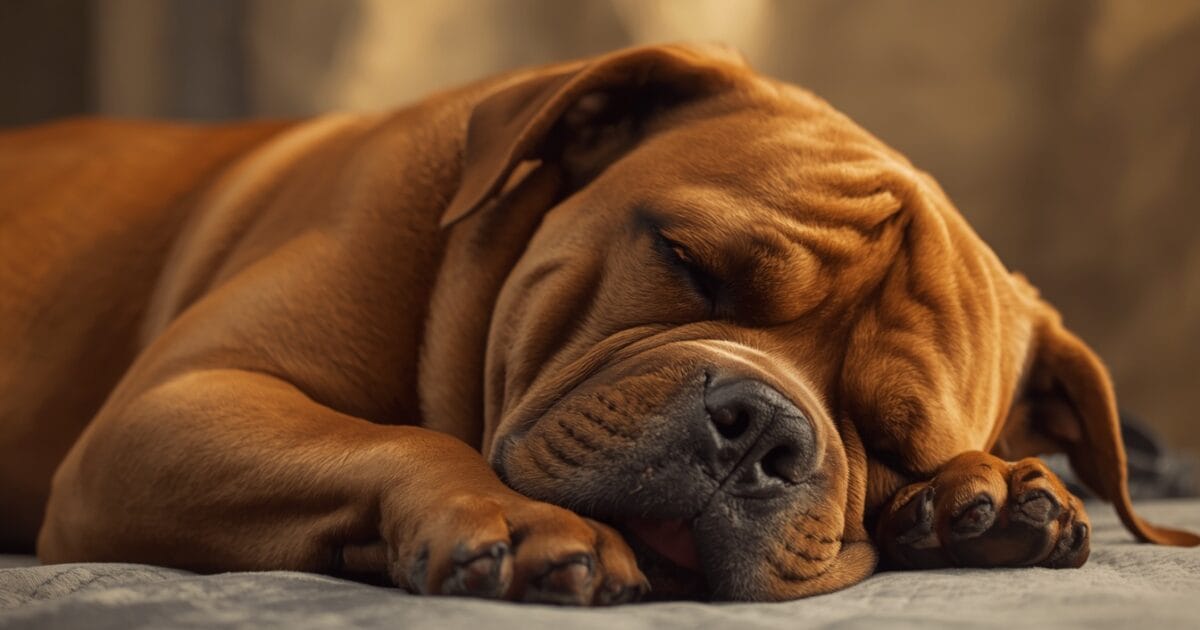
Dogs sleep significantly more than humans — the normal range is twelve to fourteen hours per day for most adult dogs. Large breeds sleep more than small breeds. Working breeds with structured daily activity often sleep more than sedentary house dogs because genuine physical and mental fatigue produces more sleep.
Puppies sleep sixteen to eighteen hours daily. Senior dogs sleep fifteen to sixteen hours. These are not signs of illness — they are developmental and age-appropriate norms.
Knowing your specific dog’s normal baseline matters more than any general figure. A dog that normally sleeps ten hours and suddenly sleeps sixteen has changed significantly. A dog that always slept fifteen hours sleeping sixteen has barely changed at all.
8 Real Reasons Your Dog Is Sleeping More Than Usual
Reason 1 — Recovery From Physical Activity
The most common and most benign reason for sudden increased sleep is that the dog had more physical activity than usual and is recovering.
A dog that went on an unusually long hike, played with other dogs for two hours at a park, or had any significantly more active day than their normal routine will sleep more the following day — sometimes dramatically more. This is normal recovery physiology. The muscles need rest. The nervous system needs downtime.
This version of increased sleep resolves on its own within twenty-four to forty-eight hours. The dog returns to their normal sleep pattern without intervention.
If the dog had unusually high activity in the past forty-eight hours — this is almost certainly the explanation. No action needed.
Reason 2 — Illness or Infection
When the immune system is actively fighting an infection — bacterial, viral, or parasitic — the body diverts energy resources toward the immune response. Sleep increases because sleep is when the most intensive immune repair occurs.
A dog fighting a mild infection may show increased sleep as the only noticeable sign in the early stages. This is how infection commonly presents before other symptoms like vomiting, diarrhea, nasal discharge, or obvious lethargy become apparent.
Signs that illness rather than recovery sleep is the cause: the dog seems genuinely unwell during waking periods — not just tired, but dull, lacking their normal responsiveness. The increased sleep develops over multiple days rather than occurring after a specific activity. Other symptoms develop alongside the sleep increase.
Any dog showing increased sleep alongside appetite loss, vomiting, diarrhea, nasal discharge, or behavioral change — particularly if these develop within days of each other — needs veterinary assessment.
Reason 3 — Pain
Pain is one of the most consistent causes of increased sleep in dogs — and one of the most commonly missed because dogs mask pain effectively.
A dog in chronic pain from arthritis, an injury, or an internal condition conserves energy through increased rest. The sleep is not restorative in the way healthy sleep is — the dog may appear to sleep a lot but still seem tired and lack their normal energy during waking periods.
Signs that pain is causing increased sleep: the dog moves more slowly when they do get up. They are reluctant to use stairs or jump onto furniture they previously used easily. They change position frequently while resting rather than settling comfortably. They show sensitivity when certain body areas are touched.
A dog that is sleeping more and also moving differently than before needs a veterinary pain assessment before assuming the sleep change is benign.
Reason 4 — Hypothyroidism
The thyroid gland regulates metabolic rate throughout the body. When thyroid function is insufficient — hypothyroidism — metabolism slows and the dog’s energy levels drop significantly.
Hypothyroidism in dogs produces a recognizable pattern alongside increased sleep: weight gain despite no change in food intake, coat changes (dull, thinning, or hair loss particularly on the flanks and tail), cold intolerance, and a general slowing of the dog’s entire personality. A dog that used to be enthusiastic and engaged becomes flat and disinterested.
This is a gradual onset condition — the increased sleep develops over weeks to months rather than appearing suddenly overnight. Middle-aged to older dogs are most commonly affected.
Hypothyroidism is diagnosed through blood testing and managed effectively with daily thyroid supplementation. Once treated, the dog’s energy and sleep pattern typically return to normal within weeks.
Reason 5 — Anaemia
Anaemia — reduced red blood cell count or reduced haemoglobin — means the blood is carrying less oxygen to muscles and organs than normal. The body responds by reducing activity and increasing rest to manage with the reduced oxygen delivery.
Causes of anaemia in dogs include: heavy parasite burden (hookworms, fleas consuming significant blood), immune-mediated haemolytic anaemia (the immune system destroying red blood cells), blood loss from injury or internal bleeding, and certain toxin exposures.
Signs alongside sleep increase that suggest anaemia: pale or white gums instead of their normal pink color, rapid breathing at rest, weakness, and exercise intolerance — the dog tires much faster than normal during any activity.
Checking gum color is the fastest owner-level screening for anaemia. Press a finger against the dog’s gum and release — the color should return to pink within two seconds. Slow return, pale color, or white gums need immediate veterinary attention.
Reason 6 — Depression and Grief
Dogs experience emotional states that produce behavioral changes including increased sleep. The loss of a companion animal, the departure of a family member, a significant change in household routine, or even environmental disruption can produce grief-like responses in dogs.
A dog that recently experienced a significant loss or change sleeping more is not physically unwell — but their emotional state is affecting their activity level and engagement with the world.
This version of increased sleep is accompanied by reduced interest in play, reduced appetite, reduced responsiveness to activities the dog previously enjoyed, and sometimes seeking the location or belongings of the absent person or animal.
Grief-related sleep increase typically improves gradually over two to four weeks as the dog adjusts. Maintaining routine, providing consistent interaction, and giving the dog appropriate social engagement helps this adjustment process.
Reason 7 — Medication Side Effects
Many medications prescribed for dogs list sedation or increased sleep as a known side effect. Antihistamines, certain anti-anxiety medications, some pain medications, and phenobarbital for seizure management all commonly produce increased sleep.
If your dog recently started a new medication and the increased sleep began within days of the first dose — medication effect is the likely cause. Contact your vet rather than stopping the medication independently, as some medications cannot be stopped abruptly.
Reason 8 — Canine Cognitive Dysfunction in Senior Dogs
Canine cognitive dysfunction — the dog equivalent of dementia — affects sleep patterns significantly in senior dogs. The circadian rhythm that regulates sleep-wake cycles is disrupted by cognitive changes, producing dogs that sleep more during the day and are awake and disoriented at night.
This is most common in dogs over ten years old and presents alongside: disorientation in familiar environments, changes in social interaction, house soiling in a previously house-trained dog, staring at walls, and vocalization at unusual times.
A senior dog showing increased daytime sleep alongside any cognitive signs needs veterinary assessment — cognitive dysfunction is manageable and some interventions slow progression when started early.
When to See a Vet
One day of unusual sleepiness after a busy day — monitor only. This is recovery sleep.
Increased sleep persisting for more than forty-eight hours without an obvious activity-related explanation — contact your vet within the week.
Increased sleep alongside any of these — contact your vet today: pale or white gums, appetite loss for more than twenty-four hours, vomiting or diarrhea, visible pain or difficulty moving, breathing changes at rest, or significant behavioral change.
Puppy sleeping more than usual alongside any other symptom — puppies decompensate faster than adults, contact your vet promptly.
Breed Notes
German Shepherds are prone to hypothyroidism, degenerative myelopathy, and immune-mediated conditions — all of which can produce increased sleep as an early sign. A GSD sleeping significantly more than their established baseline for more than a few days warrants veterinary attention rather than extended home monitoring.
Belgian Malinois are high-drive dogs whose normal activity level makes sudden sleep increases more noticeable and more significant than in lower-drive breeds. A Malinois sleeping the day away when they normally demand two hours of vigorous activity is showing a meaningful deviation from baseline that deserves prompt attention.
Our GSD complete guide and Malinois guide cover the health monitoring considerations specific to each breed.
Frequently Asked Questions
Is it normal for dogs to sleep more in winter?
Mildly — reduced daylight affects melatonin production and some dogs show modest sleep increases in winter. But dramatic sleep increases in winter are not explained by season alone and warrant investigation if persistent.
My dog sleeps more after eating — is that normal?
Post-meal sleepiness is normal for most dogs — the digestive process diverts blood flow and energy away from activity. Brief post-meal rest is common and harmless.
My senior dog sleeps most of the day — should I be worried?
Senior dogs sleep fifteen to sixteen hours normally. If the sleep increase is gradual and the dog is well during waking periods — this may be normal aging. If the increase is sudden or accompanied by other changes — veterinary assessment is appropriate.
Can boredom cause dogs to sleep more?
Yes — under-stimulated dogs sometimes sleep more than adequately exercised, mentally engaged dogs. This is not a health concern but does reflect unmet needs that affect quality of life.
Final Summary
Sudden increased sleep in dogs most commonly reflects recovery from unusual activity — benign and self-resolving within forty-eight hours. When the increased sleep persists without an activity explanation, is accompanied by other symptoms, or represents a significant departure from the dog’s established baseline over days to weeks — the causes worth investigating include illness, pain, hypothyroidism, anaemia, depression, medication effects, and cognitive dysfunction. Check gum color for pallor. Assess movement quality during waking periods. Monitor for any symptom alongside the sleep change. One day of extra sleep — watch. Three days of extra sleep with no obvious cause — call your vet.

researching veterinary sources, scientific studies, and expert
guides to bring dog owners accurate, practical information. Every
article is written with care and reviewed against credible
veterinary references including ASPCA, AKC, and peer-reviewed
literature.
- Why Does My Dog Sleep So Much All of a Sudden? 8 Real Reasons - August 10, 2026
- How to Train a Dog to Stop Pulling Without Treats: This Method Works - August 5, 2026
- How to Train an Older Dog New Tricks (Even If They’ve Never Been Trained) - August 1, 2026